
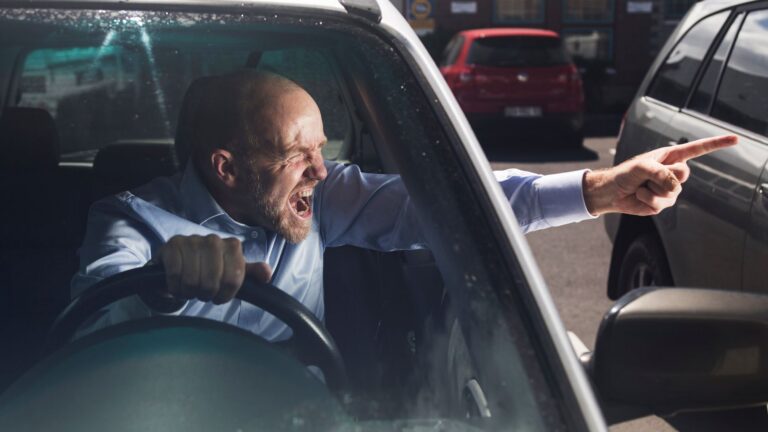
Road Rage Motorcycle Accident
A road rage motorcycle accident can happen without warning and often results in severe injuries for riders who have little protection against aggressive driver behavior. When anger escalates behind the wheel, drivers may tailgate, cut off motorcycles, brake suddenly, or use their vehicle as a weapon, turning ordinary traffic into a dangerous situation. A motorcycle accident frequently involves intentional or reckless conduct which changes how fault and liability are evaluated under California law.
After a road rage motorcycle accident, insurance companies often try to frame the crash as a simple traffic dispute rather than an act of aggression. That framing can limit compensation unless the facts are clearly documented and properly presented. Miracle Law focuses on identifying the warning signs of road rage, preserving evidence of aggressive driving, and applying California law to hold the at-fault driver accountable. If you were injured in a motorcycle accident and need clarity on your legal options, call (888)843-5290 or visit our contact page to speak with Miracle Law and get direct guidance on your next steps.
How Aggressive Driving Turns Into a Road Rage Motorcycle Accident
Aggressive driving often escalates quickly, especially when a motorcyclist becomes the target of a driver’s frustration or impatience. What begins as speeding, tailgating, or abrupt lane changes can transform into deliberate intimidation once emotions take over. In a road rage motorcycle accident, the driver’s conduct frequently shifts from careless to hostile, which significantly alters how fault and liability are evaluated. California law treats aggressive driving combined with intentional actions very differently from ordinary negligence. Miracle Law focuses on identifying where that escalation occurred and how it directly caused the crash.
Understanding how aggressive driving evolves into a motorcycle accident helps clarify why these cases carry higher stakes. The presence of anger, retaliation, or intentional behavior often explains why the collision happened at all. These facts also influence how insurers, courts, and juries interpret responsibility. Miracle Law examines the progression of events rather than isolating a single moment. That broader view often exposes patterns of conduct that drivers attempt to minimize after the crash.
Escalation From Impatience to Targeted Behavior
Aggressive driving becomes especially dangerous when a driver begins focusing on a specific motorcyclist rather than overall traffic conditions. This escalation often includes honking, gesturing, crowding the motorcycle, or refusing to yield space on the roadway. In a road rage motorcycle accident, these actions signal that the driver’s attention shifted from safe operation to confrontation. The escalation frequently happens over several seconds or minutes rather than instantaneously. Miracle Law reconstructs this sequence to show how impatience turned into intentional risk creation.
Tailgating and Following Too Closely
Tailgating places immediate pressure on motorcyclists, who lack the protection of enclosed vehicles. When a driver follows too closely, the risk of rear impact or forced evasive action increases dramatically. This behavior often serves as the first clear indicator of aggressive intent.
Eliminating Safe Reaction Time for Riders
Motorcycles require space to brake and maneuver safely. Tailgating removes that margin and forces riders into defensive responses. In a motorcycle accident, this loss of reaction time frequently becomes a key factor in establishing driver fault.
Using a Vehicle to Intimidate or Control a Motorcycle
Some aggressive drivers attempt to control a motorcycle’s movement by using their vehicle as a physical threat. This conduct includes swerving toward the rider, blocking lane changes, or braking suddenly in front of the motorcycle. When these actions cause a road rage motorcycle accident, they often reflect conscious decision making rather than momentary error. California law views this type of conduct as especially serious due to the imbalance of power between vehicles and motorcycles. Miracle Law emphasizes how intimidation tactics directly contribute to collisions.
Sudden Braking or Blocking Maneuvers
Sudden braking in front of a motorcycle leaves riders with almost no opportunity to avoid impact. Blocking maneuvers trap motorcycles between lanes or vehicles. These actions commonly appear in road rage motorcycle accident investigations.
Forcing Loss of Control or Impact
Motorcycles respond differently to abrupt obstacles than passenger vehicles. Forced braking or swerving can easily result in loss of control. These outcomes often strengthen claims involving aggressive driver behavior.
Verbal or Gestural Hostility Leading to Dangerous Decisions
Road rage often includes verbal threats or aggressive gestures that escalate emotional intensity. While these actions may seem unrelated to the collision itself, they frequently precede reckless driving choices. In a road rage motorcycle accident, witness accounts of shouting, gesturing, or confrontations help establish intent. These behaviors also explain why a driver ignored safety considerations. Miracle Law uses this context to demonstrate how hostility influenced driving decisions.
Confrontations at Intersections or in Traffic
Intersections and stop and go traffic create frequent opportunities for confrontation. Aggressive exchanges in these settings often lead to sudden acceleration or blocking. These moments frequently precede a motorcycle accident.
Evidence of Intent From Witnesses or Video
Witness statements and video footage often capture aggressive gestures or confrontations. This evidence helps distinguish a motorcycle accident from ordinary traffic collisions. Intent indicators can significantly affect liability findings.
What Evidence Matters in a Road Rage Motorcycle Accident Case
Evidence plays a decisive role in a road rage motorcycle accident case because insurers rarely accept claims of aggressive or intentional driving without clear proof. Unlike ordinary crashes, a motorcycle accident often hinges on showing escalation, hostility, or deliberate actions rather than simple mistakes. Miracle Law focuses on collecting evidence that demonstrates how the driver’s behavior crossed from aggressive driving into road rage. This evidence helps establish intent, credibility, and liability under California law. Strong documentation often determines whether a road rage motorcycle accident claim succeeds or stalls.
Because motorcycle accident cases involve heightened disputes over fault, evidence must be timely, consistent, and properly preserved. Many critical details disappear quickly if they are not secured early. Miracle Law prioritizes evidence that shows what happened before, during, and immediately after the collision. This approach helps counter attempts to downplay aggressive conduct. The goal is to present a complete picture rather than isolated moments.
Video Footage That Captures Aggressive Driver Behavior
Video footage often provides the clearest insight into how a road rage motorcycle accident unfolded. Dash cameras, traffic cameras, and nearby surveillance systems can capture tailgating, swerving, braking, or blocking behavior. In many motorcycle accident cases, video evidence contradicts the driver’s version of events. Footage also helps establish the sequence of escalation rather than a single impact. Miracle Law actively searches for all available video sources before recordings are deleted or overwritten.
Dash Camera and Traffic Camera Recordings
Dash camera footage from either vehicle can reveal following distance, speed changes, and aggressive maneuvers. Traffic cameras may capture lane positioning and interactions leading up to the crash. These recordings often provide objective proof in a motorcycle accident case.
Preserving Digital Evidence Quickly
Digital footage is often erased within days or weeks. Miracle Law acts quickly to request and preserve recordings. Early preservation prevents loss of critical evidence.
Witness Statements That Establish Escalation and Intent
Independent witnesses often play a crucial role in a motorcycle accident case. Other drivers, passengers, or pedestrians may observe aggressive gestures, shouting, or intentional actions. These accounts help show that the driver’s behavior went beyond ordinary negligence. In a road rage motorcycle accident, witness credibility often carries significant weight with insurers and juries. Miracle Law interviews witnesses early to preserve accurate recollections.
Third Party Observations of Confrontations
Witnesses may describe honking, verbal exchanges, or repeated aggressive maneuvers. These observations help establish escalation. They also support claims of intentional conduct.
Consistency Between Witness Accounts
Consistent witness statements strengthen credibility. When multiple accounts align, insurers face difficulty disputing events. Consistency often shifts leverage in a road rage motorcycle accident claim.
Police Reports and Officer Observations
Police reports serve as foundational evidence in a road rage motorcycle accident case. Officers may document aggressive driving indicators, citations, or witness statements at the scene. While reports do not determine fault alone, they influence how insurers evaluate the claim. In a motorcycle accident, officer observations about demeanor or conduct can be especially relevant. Miracle Law reviews reports closely for omissions or inaccuracies.
Citations Issued for Aggressive or Reckless Driving
Citations signal that law enforcement identified unsafe behavior. These citations often support liability arguments. They also strengthen negotiation positions.
Narrative Details Within the Report
Officer narratives may include descriptions of confrontations or behavior. These details provide context beyond diagrams. Narrative language can influence fault analysis.
Digital and Physical Evidence Supporting Rider Credibility
Additional evidence often reinforces claims in a road rage motorcycle accident case. Phone records, vehicle data, and physical damage patterns can support the rider’s account. This evidence helps counter arguments that blame the motorcyclist. In a motorcycle accident, credibility often determines outcomes. Miracle Law integrates technical and physical evidence into a cohesive case narrative.
Vehicle Damage Patterns and Impact Angles
Damage location can indicate blocking, swerving, or sudden braking. Impact angles often reveal who initiated contact. These details support reconstruction efforts.
Cell Phone and Data Records
Phone data may show distraction or communication during the incident. Vehicle data can reveal braking or acceleration patterns. These records add objective support to a road rage motorcycle accident claim.
How Miracle Law Builds Road Rage Motorcycle Accident Cases

Building a road rage motorcycle accident case requires a deliberate strategy that accounts for aggression, intent, and the unique ways insurers attempt to minimize responsibility. Unlike routine collisions, a motorcycle accident often involves escalating behavior that must be documented carefully to establish liability beyond ordinary negligence. Miracle Law approaches each motorcycle accident by identifying how the driver’s actions progressed from frustration to hostility and ultimately to a crash. This approach allows the firm to present the case as a pattern of conduct rather than an isolated event. By framing the claim accurately from the start, Miracle Law positions the case for meaningful accountability.
A road rage motorcycle accident rarely unfolds in a single moment, and Miracle Law treats it as a sequence that begins well before impact. The firm examines driver behavior leading up to the collision, interactions between the driver and the rider, and post incident conduct that may further indicate intent. This broader analysis often reveals details insurers prefer to ignore or dismiss. Establishing that context early strengthens every stage of the claim. That preparation shapes evidence collection, negotiation strategy, and litigation readiness.
Identifying Escalation and Intent From the Earliest Moments
Miracle Law begins each road rage motorcycle accident case by analyzing how aggressive driving escalated into targeted conduct toward a motorcyclist. This evaluation focuses on tailgating, blocking, verbal exchanges, repeated lane interference, and other behaviors that demonstrate fixation on the rider rather than general traffic movement. Escalation matters because it distinguishes a motorcycle accident from ordinary driving errors and reframes the driver’s conduct as deliberate or recklessly indifferent. Insurance companies often attempt to isolate the collision itself, but Miracle Law documents the full buildup that led to impact. Showing escalation establishes foreseeability and undermines arguments that the crash was unavoidable.
Reconstructing Driver Behavior Over Time
Reconstructing behavior involves mapping the driver’s actions across multiple moments rather than focusing solely on the collision. Miracle Law reviews speed fluctuations, vehicle positioning, following distance, and lane usage to identify repeated aggressive choices. This reconstruction helps demonstrate that the driver had multiple opportunities to disengage but instead continued hostile behavior.
Establishing a Pattern of Hostile Conduct
A pattern of hostility strengthens claims of intent by showing consistency rather than coincidence. Miracle Law highlights repeated actions that increased danger for the rider, such as sustained tailgating or repeated blocking. These patterns often carry significant weight when liability is evaluated in a motorcycle accident.
Preserving and Leveraging Evidence Before It Disappears
Evidence preservation plays a critical role in every road rage motorcycle accident case, particularly when intent is disputed. Miracle Law acts quickly to secure video footage, electronic data, witness accounts, and physical evidence before it becomes unavailable. Early preservation prevents insurers from shaping the narrative around incomplete information. It also allows inconsistencies in driver statements to be identified and addressed. Strong evidence collected early often determines whether a road rage motorcycle accident claim advances or stalls. Beyond digital evidence, Miracle Law evaluates physical damage and vehicle data to understand how the collision occurred. Impact angles, scrape patterns, and braking data can reveal whether the driver swerved, blocked, or stopped abruptly. These physical indicators often support claims of aggressive conduct. Integrating physical findings with digital records creates a cohesive narrative. This layered approach strengthens credibility and limits speculation.
Securing Video and Digital Records
Video evidence often provides the clearest depiction of aggressive driving behavior. Miracle Law identifies potential sources such as dash cameras, traffic cameras, and nearby surveillance systems and requests recordings immediately. Prompt action reduces the risk of routine deletion or overwriting.
Protecting Witness Recollections
Witness testimony becomes less reliable as time passes. Miracle Law contacts witnesses quickly to preserve accurate recollections of confrontations, gestures, or threats. Early statements help establish escalation and intent in a road rage motorcycle accident.
Anticipating Insurance Company Resistance and Defense Strategies
Insurance companies routinely approach road rage motorcycle accident claims with heightened skepticism and defensive tactics. They often attempt to downplay aggression, deny intent, or reframe the crash as shared fault. Miracle Law anticipates these strategies from the outset and prepares responses grounded in evidence and law. This proactive approach prevents insurers from dictating the narrative. Early preparation also reduces unnecessary delays during negotiations. Insurers frequently rely on stereotypes about motorcyclists to justify reduced payouts. Miracle Law challenges these assumptions by focusing attention on driver conduct and documented escalation. Reframing the narrative around aggression rather than rider behavior shifts leverage back to the injured motorcyclist. This strategy often influences claim valuation. Preparation remains a key advantage.
Challenging Comparative Fault Allegations
Comparative fault allegations require factual support to be credible. Miracle Law demands evidence for claims that the rider contributed to the crash. Unsupported allegations are challenged directly and systematically.
Reframing the Narrative Around Driver Conduct
Narrative framing influences outcomes as much as evidence. Miracle Law centers the case on escalation and aggressive choices made by the driver. This framing aligns the road rage motorcycle accident with higher accountability standards.
Applying California Law to Strengthen Accountability
California law provides important tools for addressing aggressive and reckless driving behavior. Miracle Law applies statutory duties, reasonableness standards, and relevant case law to demonstrate how road rage conduct violates legal obligations. Intentional or reckless actions often trigger greater liability exposure than simple negligence. Applying the correct legal framework increases pressure on insurers to resolve claims fairly. Legal precision supports stronger negotiation positions. In appropriate cases, Miracle Law also evaluates whether heightened damages may apply due to the severity of conduct. While not present in every road rage motorcycle accident, the possibility of increased liability can influence settlement discussions.
Connecting Evidence to Legal Standards
Evidence becomes persuasive when tied directly to legal duties. Miracle Law aligns facts with California traffic and liability standards. This connection strengthens accountability arguments.
Positioning the Case for Litigation Readiness
Litigation readiness affects how insurers negotiate. Miracle Law prepares every road rage motorcycle accident case with trial in mind. This posture encourages serious settlement engagement.
Get a Free Consultation on Road Rage Motorcycle Accidents From Miracle Law Today
A road rage motorcycle accident can leave you dealing with serious injuries, shaken confidence on the road, and an insurance company that refuses to acknowledge the full scope of what happened. When aggressive or intentional driving causes a crash, accountability matters, and the way your claim is presented can shape every outcome that follows. Miracle Law focuses on protecting riders by presenting clear evidence, applying California law accurately, and pushing back when insurers attempt to minimize responsibility after a road rage motorcycle accident.
You should not have to sort through conflicting explanations or defend yourself against unfair assumptions while trying to recover. Miracle Law provides direct guidance, careful case evaluation, and a structured legal approach designed to reflect the true impact of a road rage motorcycle accident on your life. Every step is taken with the goal of clarity and meaningful financial recovery. If you were injured in a road rage motorcycle accident and want to understand your legal options, call (888)843-5290 or visit our contact page to learn how the firm can help you move forward with confidence.