
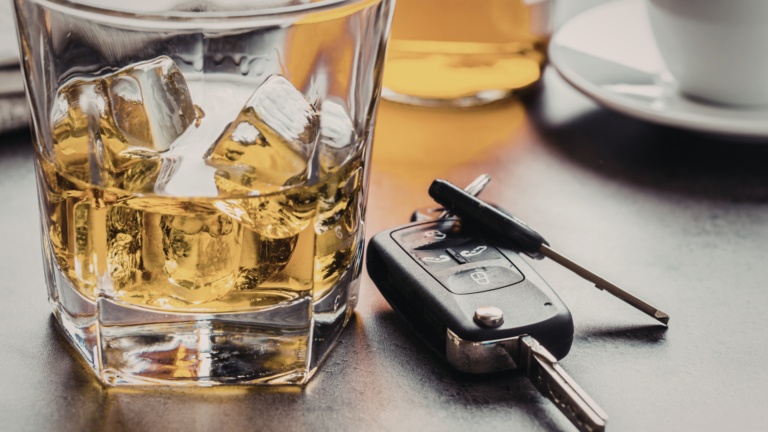
A drunk driver car accident can feel different from other crashes because you know someone made a choice that never should’ve happened. Instead of hailing a cab or requesting an Uber, the drunk motorist got behind the wheel when they were in no condition to drive. They endangered your life, and now you are suffering from painful injuries.
What happened to you is unfair, and we want to help you seek accountability. Contact a Rancho Cucamonga drunk driving accident lawyer at Miracle Law. Our firm knows that juggling medical appointments and car repairs can feel overwhelming. Add in the inability to work, and you are feeling financial stress. We can seek accountability from the drunk driver through a personal injury claim. Contact our office for a free consultation.
Is the Drunk Driver Liable for My Accident?
The drunk driver is liable if their intoxication was the cause of your accident. Alcohol has well-known side effects, including:
- Loss of coordination,
- Delayed reflexes,
- Drowsiness,
- Increased risk-taking,
- Blurred vision, and
- Cognitive impairment and poor decision-making.
These impairments can lead to accidents. Someone with blurred vision might not see a car idling at a stop sign up ahead. Similarly, a drunk motorist might be too slow to step on the brakes to avoid running a red light.
A motorist should not get behind the wheel after having too many drinks. They cannot drive with sufficient care and will be liable for an accident they cause.
Can I Submit a Claim on the Drunk Driver’s Insurance?
Yes, this is one reason to stop and swap information with the drunk driver, if you can. The at-fault driver’s insurance may cover your losses, subject to the policy’s coverage and limits. Negotiating a settlement is complicated, so you should contact an experienced drunk driving accident lawyer to discuss what to do.
Some motorists are uninsured. According to the Insurance Information Institute, about 20.4% of California drivers were uninsured in 2023. The drunk driver may have no liability coverage to pay any compensation. In that situation, you might submit a claim on your uninsured motorist (UM) insurance.
California law requires that insurers offer UM coverage along with liability insurance. Unless you declined UM coverage in writing, you should have it. Questions about fault still matter when making a claim on this insurance.
What Compensation Can I Receive for a Drunk Driving Accident?
Depending on your case, you might request compensation for:
- Lost wages, income, or self-employment income;
- Medical bills, including rehabilitation;
- Property damage, such as damage to your vehicle; and
- Pain and suffering, including mental distress.
The key is to document the consequences of the crash fully. You should keep all bills related to medical care and car repairs. Also, save evidence of your income before the collision. A person who is salaried might have a W-2 form, or you can share pay stubs with your attorney.
Documenting pain and mental distress is one of the most challenging aspects of a DUI accident case. You might keep a journal where you note how you feel each day. Or we might rely on testimony from friends or family to document how your injuries have changed your life.
Can I Receive Additional Compensation If the Driver Was Drunk?
You might receive exemplary damages, also called punitive damages. These damages are designed to punish a defendant. Punitive damages are not automatic. In California, you can recover them if clear and convincing evidence establishes that a defendant acted with fraud, oppression, or malice.
Typically, a person injured in a drunk driving accident alleges malice. Under the law, malice includes acting with a willful and conscious disregard for the rights or safety of other people. Drunk driving might satisfy this standard.
How much might you receive? It depends on the facts. Some considerations include the defendant’s financial condition and the amount of punitive damages that would deter future misconduct.
Contact Miracle Law to discuss whether punitive damages are an option in your case. Our objective is to seek full compensation for our clients while holding drunk drivers accountable.
Should I Call the Police After a Drunk Driving Accident?
Yes, you should report the accident so an officer can come to the scene and create an accident report. If someone was injured or killed in the crash, California law requires calling the police or the California Highway Patrol, depending on the circumstances.
There are also strategic reasons for calling the police out to the scene. If you suspect a driver is drunk, you can tell the responding officer, who can investigate further. They might ask the driver to take a field sobriety test or a breathalyzer. We can use the test results when building a claim for compensation against the drunk driver.
Why Is the Insurance Company Blaming Me for the Accident?
Liability in a drunk driver car accident might seem obvious, but insurers often look for ways to complicate fault. They may accept that the driver drank but still argue that you reacted poorly, shared blame, or caused part of your own injuries.
For example, they might allege you were speeding at the time of the accident. Although the other driver was drunk, your speeding might have contributed to the crash.
In California, any comparative negligence can reduce your settlement. Suppose you are 55% at fault because you were speeding. Your share of fault would reduce your recoverable damages by 55% to account for your share of blame.
You might think that is an unfair result. But it is how comparative negligence works in California. We watch for efforts to shift responsibility onto our clients and do not leave allegations unchallenged.
Understanding how negligence works in these cases is critical. Contact a DUI accident attorney in Rancho Cucamonga for help analyzing fault.
What Evidence Shows the Other Driver Was Drunk?
You can use different pieces of evidence to show a driver was intoxicated during the accident:
- Toxicology results. If the driver gave a breath, blood, or urine sample, we can request access to the results. This is persuasive evidence that a driver was intoxicated.
- Field sobriety test results. The responding officer might have recorded the test with a body cam or dashcam. Video of the driver stumbling around or slurring their speech is also persuasive.
- Eyewitness accounts of the driver’s behavior. Witnesses at the scene could have smelled alcohol on the driver’s breath or observed that the driver lacked coordination. A witness at a bar or tavern could have watched the driver drink several beers before leaving in their vehicle.
- Driver admissions. The drunk driver might have admitted to drinking before getting behind the wheel. We can seek to use the driver’s own words when negotiating a claim.
You might have serious injuries that prevent you from talking to the other driver. This is one reason to contact a Rancho Cucamonga car accident lawyer as soon as you can. We can look for evidence, including toxicology test results, to use in your claim.
What Other Evidence Can Help Support My Drunk Driving Accident Claim?
To receive compensation, you need proof that the other driver caused the accident that injured you. It is not enough that they were drunk. A drunk driver might not have crashed into you or otherwise caused the accident.
We use many pieces of evidence to reconstruct a crash, including:
- Video evidence of the accident—dashcams, Ring cameras, or surveillance cameras from nearby businesses;
- Witness statements—bystanders or other drivers on the road who saw the accident; and
- Photographs—pictures of the vehicles from all sides that show how they collided.
This evidence might show that the other driver T-boned your car or forced you off the road in a sideswipe accident.
If You Are Hit By a Drunk Driver, Here’s What to Do
Drunk driving accidents are confusing events. Your head is probably spinning, and you could feel immediate pain. However, the choices you make in the aftermath of an accident can bolster or weaken your claim.
Seek Safety
You should immediately stop your vehicle, but pull over if your car is blocking traffic or threatens your safety. Then ask anyone, including the other driver, if they need an ambulance, and arrange for medical care if they do.
Report the Accident to the Police or California Highway Patrol
Tell them the location of the crash. When the officer arrives, share your suspicions that the driver is drunk. The officer can investigate.
Swap Information with the Other Driver
You should share the following personal information with any driver involved in the accident:
- Name and current residential address,
- Driver’s license number,
- Vehicle identification number (VIN),
- Name and residential address for the car’s owner, and
- Insurance information.
The drunk driver might act erratically or refuse to hand over information. You can keep a safe distance and wait for the police rather than confront the driver.
Photograph the Accident Scene
If you can move safely around, take photographs of the vehicles. Zoom in on the damage to show how the cars crashed. You can also photograph the license plate so you have that information easily.
Speak with Witnesses Who Stop
Eyewitness testimony is often critical. You should talk with any witness who saw the crash, including bystanders on the sidewalk or motorists in other vehicles. Ask what they saw and request a way to contact them, such as phone or email.
Seek Prompt Medical Care
You can share with a doctor what happened and where you feel pain. Prompt care helps build a record that shows your injuries and the treatment you received. Early treatment also improves recovery.
Submit Accident Reports
If anyone was injured or killed, you should submit a written report to the California Highway Patrol within 24 hours, or, if the accident occurred in a city, to CHP or the city’s police department. You do not need to submit a separate report under this requirement if a responding officer makes the required report.
You also must file Form SR-1 with the California Department of Motor Vehicles within 10 days if someone was injured or killed, or there was more than $1,000 in property damage.
Consult an Attorney
A lawyer can explain your rights and offer tips on how to bolster your case. If you have been hit by a drunk driver, knowing what to do can provide peace of mind while strengthening your legal claim.
Can I Seek Compensation If the Other Driver Is Not Charged with DUI?
Yes. Your accident claim for compensation is independent of any criminal charges. We can seek compensation even if the state does not file criminal DUI charges.
Many considerations go into whether the state charges a driver with DUI. A reduced criminal charge or plea agreement also does not, by itself, decide your personal injury claim.
Can I Seek Compensation If the Driver Is Acquitted of Drunk Driving?
Yes, you can still submit an injury claim, even if the driver is found not guilty. The standard of proof for a criminal case is high: proof of guilt beyond a reasonable doubt. In a personal injury context, the civil law standard applies: proof that the driver was liable for the accident by a preponderance of the evidence. That generally means more likely than not.
Suppose the driver did not give a breath sample, and the only evidence against him is the responding officer’s testimony. The defendant might be acquitted. However, there might be enough evidence to show that the driver negligently caused the accident that injured you.
Can I Use Evidence from a Criminal Case?
You might. Some helpful evidence includes police dashcam video or the officer’s testimony. We might also seek to use test results showing the driver’s blood alcohol concentration (BAC) level.
While the criminal court focuses on punishment and public safety, we focus on the economic and noneconomic harms you have suffered, including lost wages and pain. Miracle Law monitors the status of that case and requests available records when helpful.
Should I Give a Statement to the Other Driver’s Insurance Company?
You should get legal advice before giving a detailed or recorded statement. The risk is that you say something you don’t mean because you are in pain or exhausted. An insurer might use your statements to discount your injuries or the value of your claim.
For example, avoid guessing about whether tiredness or confusion contributed to the accident. That could suggest you might have crashed because of your own carelessness. If asked about phone use or texting, answer truthfully, but avoid speculation about fault.
Insurers use statements like these to support the argument that a driver was negligent. As a result, you might receive less compensation.
If an insurer reaches out, tell them you want legal advice before discussing the accident. Then call Miracle Law to speak with a member of our legal team. Our goal is to help you give an accurate account and handle stressful questions.
Who Else Might Be Liable for My Accident?
Our DUI accident attorney in Rancho Cucamonga first looks to the drunk driver. But we do not stop there. Other parties might share liability for the drunk driving accident. Our law firm always considers whether any of the following shares liability for a crash. If so, we might seek financial compensation through an insurance claim or lawsuit.
The Drunk Driver’s Employer
An employer might share liability if the drunk driver was working when the accident happened. We can analyze the driver’s job duties and whether they were working within the scope of employment. An employer’s liability is not automatic but depends on various factors, such as the scope of employment or whether the employer provided the alcohol.
Businesses Licensed to Sell Alcohol
Businesses enjoy general immunity from a lawsuit when one of their customers causes a crash due to intoxication. But there is a narrow exception to this immunity if the business furnishes alcohol to an obviously intoxicated minor.
For example, a bar might sell several drinks to someone under 21. The bar never checks the customer’s age and continues to serve the minor who has slurred speech and red-rimmed eyes. If the minor causes a collision, the business could share liability under the law.
Social Hosts
Generally, a person throwing a party is not liable as a social host when a guest causes a drunk driving accident. However, California law provides an exception where an adult knowingly furnishes alcohol at their own residence to someone they know, or should know, is under 21. If furnishing the alcohol to the underage driver is a proximate cause of your injuries, then you may be able to sue the host.
A drunk driver injury lawyer in California should investigate to determine where the driver obtained alcohol, especially if they are under 21.
How Can a DUI Accident Attorney in Rancho Cucamonga Help My Case?
A drunk driver car accident claim involves more than pointing out that the other driver was drunk. This type of claim requires showing how the accident happened, the severity of your injuries, and your financial losses. Trying to manage all of that while recovering can feel like a second job you never wanted. Hire an experienced DUI accident lawyer to guide you through the claims process.
Initial Review
From your first conversation with our firm, we focus on listening before we start building. We ask about your health, your work, and how the accident disrupted your routine.
We also answer any questions and address concerns. Many injured people want the drunk driver punished. We can explain how a personal injury claim compensates you and holds the driver accountable.
Crash Investigation and Evidence Preservation
Some of the most helpful evidence is only at the scene of the crash. If you took pictures of the vehicles or spoke with witnesses, share that information with your lawyer.
Our DUI accident lawyer can search for additional evidence:
- Follow up with witnesses to clarify their statements about the crash;
- Review the police report for pertinent information, such as the officer’s observations of the drunk driver;
- Search for any video of the accident, such as video from a business camera pointed at the sidewalk;
- Seek access to any breathalyzer, urine, or blood test results;
- Inspect the vehicles, if necessary; and
- Request copies of any potentially applicable insurance policies.
This evidence forms the basis of a claim. We might use it to establish fault and identify other defendants apart from the drunk driver.
Medical Information Review
Your injuries are at the center of any personal injury claim. The severity of your injuries directly impacts the value of pain and suffering and other damages.
We review medical records to uncover:
- Prognosis. Are you expected to make a full recovery? Or will you have ongoing limitations that require additional care?
- Cost of care. We request compensation for medical treatment, including reasonably certain future care.
- Pain and limitation. Compensation for pain and suffering covers bodily pain and disability.
- Mental health. Your accident could have caused post-traumatic stress disorder, anxiety, or depression. We review whether your medical records support a diagnosis of this sort.
The medical review is an essential part of an injury claim. Share with your lawyer the names of the doctors or hospitals you visited, as well as the dates. Your lawyer can request medical records from providers if you do not have copies.
Communication with Insurers
Insurance companies can demand that you fill out multiple forms and provide copies of medical records or bills. They might also call asking if you will answer questions.
You should not have to deal with an insurer while you try to heal. We can act as a gatekeeper, allowing you to rest. If an insurer needs documentation, we can find it for them. Our office can also request documents or information, such as a copy of the applicable insurance policy.
Negotiation with Insurance Companies
Miracle Law can prepare a detailed demand that clearly identifies your injuries, medical costs, lost income, and pain and suffering. This demand strengthens our hand in negotiation.
Negotiation usually requires back and forth. The insurance company is unlikely to agree to our demand immediately. They might say it is too high or allege you are partially to blame. They make a lower counteroffer.
If the counteroffer is too low, we can reject it and continue to advocate for fair compensation. This back-and-forth negotiation can take several months.
Preparation for Litigation, If Necessary
Many drunk driver car accident claims resolve through settlement, but some require a lawsuit. Insurers may change their approach once they see that you are willing to pursue your rights in court. Our firm prepares each case with that possibility in mind so that we are ready to move forward if negotiations stall.
Realize that a case may settle at any time. Sometimes, filing a lawsuit is all that’s needed to jog the insurer to take a claim seriously.
Will My Drunk Driving Case Go to Trial?
Few civil cases go to trial. Instead, we can usually negotiate a fair settlement with the defendant or their insurer. We will always keep you updated on the status of negotiations.
Our role involves explaining the strengths and risks of each choice in clear, honest terms. We walk through what an offer covers, what it may leave out, and how it compares to likely outcomes if your case continues. Any decision you make rests on information and support, not pressure or guesswork.
What Is the Deadline for Filing a Drunk Driving Accident Lawsuit?
California gives injured people two years from the date of injury to file a lawsuit, in most cases. Some exceptions change that deadline, and claims against public entities can require much earlier action.
If you go past the applicable deadline, the defendant can ask the judge to dismiss your case, and judges usually dismiss with prejudice. That means you may lose the right to recover through that lawsuit, even if you are seriously injured.
To ensure you don’t wait too long, call Miracle Law. Our firm can file a lawsuit before the deadline in an appropriate court. Filing a lawsuit does not guarantee your case will proceed to trial. But it does protect your rights as we continue to negotiate.
How Can I Hire a Lawyer When I Have No Money?
Contact Miracle Law to discuss our contingency fee arrangements. We do not require that DUI accident victims pay an upfront retainer. Instead, we agree to accept a share of any settlement or court award that you win as our legal fee.
Contingency fee agreements make an experienced lawyer immediately available to help after an accident. Without asking for a retainer, our firm can begin guiding you through the claims process and answering your questions.
These agreements also encourage lawyers to accept only cases with merit. We listen attentively to our clients and provide honest feedback on the strength of their claim.
Can I Seek Compensation If the Driver Was High on Drugs?
Driving while impaired by drugs is also a form of negligence, so that you might bring a successful injury claim. A motorist is not automatically liable because they are intoxicated or drunk. We also need to show that the impaired driver caused the crash. We rely on evidence from the accident, including witness statements, photographs of the scene, and any blood or urine test results from the impaired driver.
Can I Receive Compensation If the Driver Did Not Give a Breath Sample?
You might. A breath sample is not required to bring a successful personal injury claim. Instead, we need to prove the driver failed to exercise reasonable care behind the wheel. You do not have to prove the precise BAC, although that evidence is very helpful.
Do I Have a Case If the Drunk Driver Fled the Scene?
You might receive compensation for a hit and run. If the police find the driver, we can usually submit a claim to their insurer if the driver is liable for the crash. An uninsured motorist claim might also be possible using your UM coverage if the driver is never found. A UM claim has specific requirements, generally including physical contact and prompt reports to law enforcement and the insurer. Our law firm analyzes all possible sources of compensation.
What Are My Rights If a Drunk Driver Killed a Family Member?
You might have a wrongful death claim against the driver for a fatal car accident. These claims also have deadlines, so you should schedule a consultation with our office as soon as possible. At Miracle Law, we provide compassionate representation to families who have lost a loved one in a preventable tragedy. We can explain what compensation to request in a wrongful death claim against the drunk driver.
Speak with a Drunk Driver Injury Lawyer in California
You may find yourself wondering how someone could choose to drive drunk and why you’re left dealing with the consequences. Wanting answers and accountability is understandable.
You don’t have to figure out what comes next on your own.
At Miracle Law, we take the time to hear about how the crash happened and its ongoing effects on your life. We’ll walk you through your options in plain language so that you can make decisions with confidence.
Our DUI accident lawyer investigates the crash, gathers evidence, and handles conversations with insurance companies while you focus on getting better. Throughout your claim, we’ll keep you informed and work to pursue compensation that reflects what you’ve lost and what you’ll need moving forward. Call Miracle Law to schedule your free case evaluation.
Legal References Used to Inform This Page
To ensure the accuracy and clarity of this page, we referenced official legal and other resources during the content development process:
- California Insurance Code § 11580.2, uninsured motorist insurance.
- Insurance Information Institute, Facts + Statistics: Uninsured Motorists.
- California Civil Code § 3294, exemplary damages.
- California Vehicle Code § 16025, information to share after an accident.
- California Vehicle Code § 20001, requires a stop after an accident.
- California Vehicle Code § 20003, requires providing reasonable assistance.
- California Vehicle Code § 20008, requires accident reporting within 24 hours.
- California Business and Professions Code § 25602.1, licensee liability for providing alcohol.
- California Civil Code § 1714, social host liability.
- State of California, Department of Motor Vehicles, Report of Traffic Accident Occurring in California (SR-1).