

Chino Hills truck accident claims give injured people a way to seek financial recovery, but the process might feel daunting if you haven’t dealt with a personal injury claim before. After an accident, you might not know where to start, who to notify, or what information you should collect. It helps to understand that truck cases follow the same general personal injury rules as other crashes. The main differences center around extra records, regulations, and potential parties. You don’t have to know every detail in order to seek legal guidance, but knowing the general process helps.
At Miracle Law, our truck accident lawyers approach Chino Hills cases in a straightforward, step by step way. We look at how the crash happened, what type of truck was involved, and who may share responsibility. Then we talk through practical questions, like how to coordinate medical care, respond to calls from insurance, and understand fault in truck claims. You receive clear explanations about your options, not pressure to make quick decisions. If you want to talk with a truck accident attorney about next steps, you can call Miracle Law at (888) 843-5290. We aim to make the process as simple as possible so that you can direct your energy towards your recovery.

Getting Started With a Chino Hills Truck Accident Claim
Early decisions after a crash with a large truck often shape how a potential claim develops. You need to take care of your health first, but you also benefit when you gather basic information, report the incident properly, and avoid statements that leave the wrong impression. The steps you take after the accident can help your case significantly down the line. When you know which tasks actually matter, you can protect your rights from the very start.
Our attorneys help you look at those first steps in simple, practical terms. We talk about medical care, documentation, and insurance contact, and we explain how each piece supports a Chino Hills truck accident claim. You don’t have to figure out every detail on your own or guess about what the law expects. With guidance, you can focus on treatment while still keeping your case on solid ground.
Immediate Health And Safety Priorities
Your health and safety sit at the center of everything that follows after a serious collision with a truck. Serious injuries may not show their full effect in the first hour, so you should treat symptoms and concerns as important even if you feel relatively steady. You also need to think about safety at the scene, especially when a large vehicle blocks lanes or spills cargo. Simple steps to protect yourself and others create a better foundation for both recovery and any future claim.
Checking For Injuries And Calling For Help
You should check yourself and others for injuries as soon as the situation feels safe enough to do so. If anyone needs emergency care, call 911 and explain that a commercial vehicle sits involved so responders understand the potential scale of the crash. Paramedics can evaluate you even if you feel stable, and that early evaluation helps link your symptoms to the Chino Hills truck accident.
Following Up With Medical Providers
Emergency rooms and urgent care clinics handle immediate concerns, but you often need follow up care with primary physicians or specialists. Those providers track how symptoms develop, order additional tests when needed, and adjust treatment as you heal. Consistent follow up builds a clear medical record that supports your eventual truck injury claim and protects your long term health.
Scene Information And Documentation
Details from the scene of a Chino Hills truck crash tend to fade quickly, especially once cleanup crews arrive or vehicles move. You do not need to run a full investigation, but you can still collect simple information that helps later. Names, contact information, photos, and basic notes give your attorney and the insurer a clearer view of what happened and who played a role in the collision.
Collecting Contact And Insurance Details
You can exchange names, addresses, phone numbers, license information, and insurance details with the truck driver and any other involved drivers. If witnesses stop, you should collect their names and contact information as well. These details allow future follow up and help confirm how the Chino Hills truck crash occurred.
Photographs And Basic Notes From The Scene
If you feel well enough and the scene allows it, you can take photos of vehicle positions, damage, skid marks, and traffic controls. Even a few clear images help preserve details that reports might not capture fully. Short written notes about weather, lighting, and traffic give extra context for your truck accident attorney later.
Why Simple Documentation Matters
A small amount of organized information can make your claim stronger without requiring a lot of extra effort from you. When you have photos and key contact details, it becomes easier to answer questions, clear up confusion, and support your version of events during the Chino Hills truck accident claim process.
Keeping Everything In One Place
You can keep scene photos, contact details, and later medical records in a single folder so you do not lose track of important items. That simple habit helps your attorney review your situation efficiently and reduces the chance that useful evidence ends up overlooked.
Early Contact With Insurance Companies
Insurance carriers usually reach out quickly after a collision with a commercial truck. Adjusters want information, recorded statements, and authorizations so they can evaluate the claim on their terms. You benefit when you share necessary facts while still protecting your interests. Careful communication helps you avoid misunderstandings and keeps your Chino Hills truck accident case in a stronger position.
Reporting The Crash To Your Own Insurer
Most policies require you to report accidents within a reasonable time. You can provide basic facts, such as date, location, and vehicles, without guessing about long term injuries or fault. If you feel unsure about how to describe something, you can say that you want to speak with a Chino Hills truck accident lawyer before you answer in detail.
Responding To The Trucking Company’s Insurer
The trucking company’s insurer may contact you quickly to ask questions or request a recorded statement. You do not have to agree to recorded interviews or broad medical releases on the spot. Many people choose to speak with a truck accident attorney first so they understand which questions make sense to answer and which requests go too far.
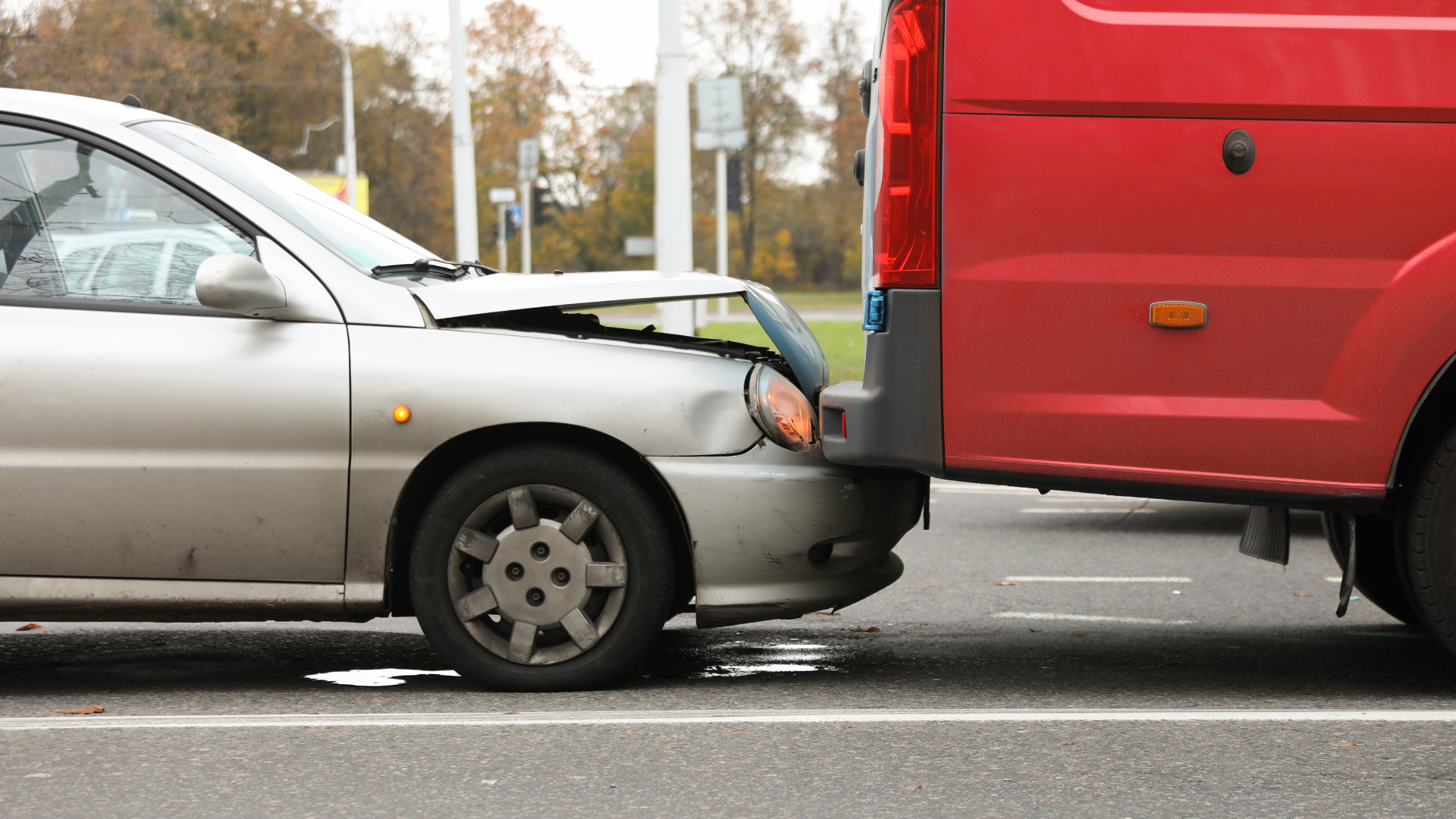
Determining Responsibility After a Chino Hills Truck Crash
Responsibility for a collision with a commercial truck rarely falls on a single person in a simple way. Truck drivers, carriers, cargo companies, and maintenance providers all make decisions that affect safety on the road. To build a strong Chino Hills truck accident case, you need to identify who controlled which parts of the operation and how each decision contributed to the crash. A careful look at records, contracts, and regulations often reveals more than the initial report suggests.
Our firm approaches this process methodically. We study the path of the trip, the driver’s hours, and the condition of the vehicle. We also compare company policies and log entries with legal standards that apply to trucking operations. When we find gaps or inconsistencies, those details can help show how the crash happened and why specific parties bear responsibility for your losses.
The Role Of The Truck Driver
The person in the cab makes real time choices that affect everyone else on the road. Speed, following distance, lane changes, and attention to traffic all play major roles in safety. When a driver cuts corners or faces pressure to stay on a tight schedule, the risk of a Chino Hills truck crash increases. Evidence from logs, statements, and electronic data helps show whether the driver met those basic duties.
Driver Conduct And Hours Of Service
Truck drivers must follow hours of service rules that limit how long they can drive without rest. Fatigue affects reaction time and judgment, especially in heavy vehicles that require more distance to stop. We review logbooks, electronic logging devices, and supporting documents to see whether the driver pushed past legal limits or took enough breaks during the route.
Training, Supervision, And Company Expectations
Safe performance on the road starts with proper training and realistic expectations at the company level. Carriers should hire qualified drivers, provide appropriate instruction, and monitor performance. If a company rushes training or rewards risky behavior in practice, those choices matter when a crash occurs. We look at company records and history to see how expectations may have influenced the events in Chino Hills.
Other Parties Who May Share Fault
Many truck crashes trace back to decisions by people who never sat in the cab of the vehicle. Cargo shippers, loading crews, maintenance shops, and equipment manufacturers all affect how a truck operates. If any of these parties cut corners, the vehicle may become harder to control or more likely to fail. A thorough investigation considers all of these potential contributors.
Cargo Loading And Securement Issues
Improper loading can shift a trailer’s center of gravity or cause cargo to move unexpectedly during turns or stops. Those problems can lead to rollovers, jackknifes, or lost loads that create sudden hazards. Bills of lading, loading records, and inspection reports can show whether a third party handled the cargo correctly before the Chino Hills truck accident.
Maintenance, Repairs, And Equipment Problems
Trucks need regular inspection and maintenance to stay safe on the road. Worn brakes, bad tires, and steering issues increase the chance of a serious crash. We examine maintenance logs and repair records to see whether the carrier or a repair shop ignored known problems or failed to perform required checks.
When Conditions Beyond Drivers Matter
Sometimes poor road conditions, defective parts, or inadequate repairs combine with driver error to cause a collision. In those situations, responsibility may spread across more than one party. We look for all contributing factors so your Chino Hills truck injury claim does not focus only on the most obvious cause.
Looking At All Contributing Factors
A full review of maintenance history, roadway conditions, and equipment performance helps show how each factor played a part. That broader view supports a claim that accurately reflects who should share the cost of the harm you suffered.
Using Evidence To Clarify Fault
Evidence helps turn a general sense that something went wrong into a clear explanation of how the crash occurred. Documents, photos, data, and witness accounts each add different details. When you put those details together, patterns emerge that point toward specific causes and responsible parties in a Chino Hills truck accident case.
Official Reports And Witness Statements
Law enforcement reports provide an initial overview of the crash, including locations, participants, and any citations. Witnesses often add observations that help fill in gaps. We review these sources for helpful details and compare them with physical evidence to see where they line up and where they conflict.
Physical Evidence And Electronic Data
Damage patterns on the vehicles, tire marks on the pavement, and debris on the road all help explain how the collision unfolded. Modern trucks also carry electronic control modules and logging devices that track speed, braking, and driving time. Experts can analyze this information to recreate the Chino Hills truck crash and support your version of events.

Paths To Resolution in a Chino Hills Truck Accident Case
Once you address immediate needs and understand responsibility, you still need to decide how to move your claim toward a resolution. Truck cases often involve higher policy limits and more complex negotiations than typical car collisions. Insurers may defend these claims aggressively because they want to limit payouts. You benefit when you understand the main paths forward and how each option fits your situation and comfort level.
Our attorneys talk with you about your goals, your tolerance for risk, and your timeline. We explain how settlement discussions work in practice, what litigation involves, and how both approaches can intersect. You do not have to choose a path on day one. Instead, you can adjust your decisions as more information develops about your Chino Hills truck accident case.
Preparing A Settlement Demand
A settlement demand serves as a structured way to explain your position to the insurer. It outlines how the crash occurred, summarizes medical findings, and details your financial and personal losses. A clear demand gives adjusters a reasoned basis for evaluating your Chino Hills truck injury claim and sets the tone for negotiations.
Gathering And Organizing Documentation
Your claim rests on the strength of your records. Medical reports, wage information, photographs, and repair estimates each show different pieces of the impact the crash had on your life. We gather and organize these materials so they tell a complete story, then use them to support the amounts requested in your demand.
Explaining Losses In Practical Terms
Insurers need to understand how the crash changed your day to day life, not just what numbers appear on bills. We describe your limitations, missed activities, and ongoing symptoms in plain language that connects to your records. That explanation helps show why the proposed settlement range makes sense for your Chino Hills truck accident case.
Negotiation, Mediation, And Litigation
Not every claim follows the same path to resolution. Some cases settle through direct negotiation, while others benefit from mediation or need a lawsuit to move things forward. Each stage offers its own tools and timelines. You gain more control over your choices when you understand how these processes work and what they require from you.
Direct Settlement Talks With Insurers
Many claims resolve through structured discussions with insurance adjusters and defense attorneys. We present your evidence, respond to questions, and push back when offers fall short of the documented losses. These conversations often involve several rounds of proposals before the parties see whether they can close the gap.
Using Mediation As A Problem Solving Tool
Mediation introduces a neutral third party who helps both sides explore possible resolutions. The mediator does not decide the case but instead works to identify common ground. Mediation often occurs after initial negotiations stall and can provide a useful setting to rethink positions in a Chino Hills truck accident case.
Filing A Lawsuit And Preparing For Trial
Sometimes a carrier refuses to make a fair offer, even when evidence strongly supports your position. In those situations, a lawsuit may give you the leverage and structure you need. Litigation introduces court deadlines, discovery, and the possibility of trial. Our firm handles those legal steps while you continue treatment and work on rebuilding your routine.

Find Out Your Options After a Chino Hills Truck Accident
Deciding what to do after a crash with a commercial truck is easier once you understand all your options. You might be sorting through medical care, missed work, and questions from insurance adjusters but not know what comes next. You don’t need to know everything about the legal process before you ask for guidance. The most important thing is that you’re willing to talk through what happened and what you hope to accomplish.
A conversation with Miracle Law gives you a chance to do exactly that in a structured, low pressure setting. Our truck accident attorneys review the details, look at your recovery progress, and explain how responsibility and insurance coverage may affect your options. Together, you and our team can outline next steps that make sense for your situation, whether that means building a settlement demand, entering negotiations, or preparing for a lawsuit just in case. To learn more about your choices after a truck accident, you can call Miracle Law at (888) 843-5290 or contact us online. Our team is ready to help you move your claim toward a practical, well supported resolution that fits your goals.