
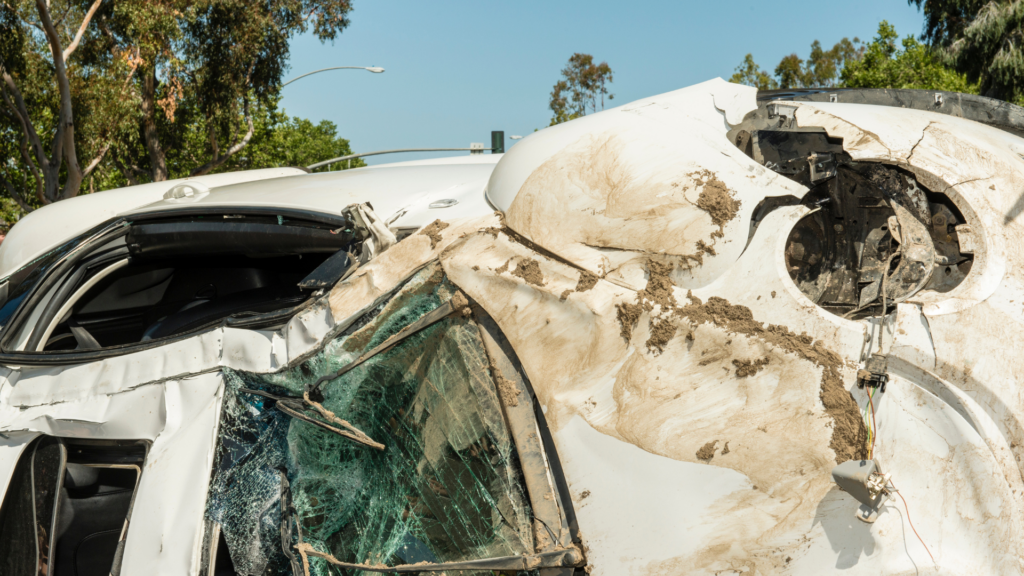
A deadly Inland Empire high-speed rollover crash claimed one life after a violent collision caused a vehicle to overturn, according to KTLA News. Authorities reported that excessive speed played a significant role in the severity of the crash, which resulted in catastrophic damage and fatal injuries. Emergency responders arrived at the scene and worked quickly to assess the situation while securing the area for investigation. Incidents like this highlight the devastating consequences that high-speed crashes can create for victims and their families. These tragic events often leave loved ones facing emotional loss, financial hardship, and unanswered questions about what happened.
In the aftermath of a serious crash, families often struggle to understand their legal rights while dealing with grief and unexpected expenses. At Miracle Law, we recognize how overwhelming these situations can become, especially when negligence contributes to the crash. We work closely with clients to investigate the circumstances and pursue compensation that reflects the full impact of the loss. Our team focuses on providing clear guidance and strong representation throughout every step of the process. If your family has been affected by a similar incident, call us at (888) 843-5290 today to discuss your options and begin moving forward.

Why Legal Representation Matters After a Inland Empire High-Speed Rollover Crash
At Miracle Law, we understand that an Inland Empire high-speed rollover crash can create serious financial and emotional challenges for victims and their families. We take immediate steps to investigate the crash, gather evidence, and identify all responsible parties involved. Our team builds strong claims that reflect the full extent of damages, including medical costs, lost income, and long-term impacts. We guide clients through each stage of the legal process while maintaining clear communication and focused support. This approach allows us to pursue meaningful results while you concentrate on recovery.
Additionally, we know that insurance companies often attempt to reduce payouts or challenge claims following high-speed accidents. We handle all negotiations and interactions with insurers to protect your rights and avoid unnecessary delays. Our attorneys advocate aggressively while ensuring that every detail of your case receives careful attention. We remain committed to securing compensation that accurately reflects your losses and future needs. With our experience and dedication, we help clients move forward with greater confidence after a devastating crash.

What to Do After an Inland Empire High-Speed Rollover Crash
After an Inland Empire high-speed rollover crash, taking immediate and informed action can protect both your safety and your legal rights. These accidents often involve severe damage, serious injuries, and emotional shock that can make decision-making more difficult in the moment. However, understanding what steps to take can reduce confusion and help you regain a sense of control. Acting quickly also helps preserve critical evidence that may support a future claim. Following a structured approach allows victims and families to move forward with greater clarity, confidence, and stability during a challenging time.
Seek Immediate Medical Attention
Your health should remain the top priority after a serious rollover crash, even if injuries are not immediately visible or seem minor at first. Emergency responders can assess your condition and ensure that you receive proper care as quickly as possible. Prompt medical evaluation helps identify hidden injuries such as internal bleeding, concussions, or spinal damage that may worsen without treatment. Early care also creates a medical record that connects your injuries directly to the crash. This documentation becomes essential when seeking compensation and ensuring that your recovery remains on track.
Follow Through With Ongoing Treatment
Continuing medical care after the initial visit plays an important role in both recovery and documentation. Doctors may recommend follow-up appointments, imaging tests, physical therapy, or specialized care depending on your injuries. Following these recommendations closely shows that you take your recovery seriously and helps prevent complications from untreated conditions. Consistent treatment also creates a detailed record of how the injuries affect your daily life and long-term health. This information strengthens your claim by demonstrating the full extent of your damages.
Report the Crash and Document the Scene
Reporting the crash to law enforcement ensures that an official report documents the incident and begins the investigative process. If you are physically able, take photos of the scene, vehicle damage, road conditions, and any visible injuries to preserve important details. Gathering contact information from witnesses can also provide valuable insight into how the crash occurred. Even small details, such as debris patterns or skid marks, can help clarify the sequence of events. Thorough documentation creates a strong foundation for both insurance claims and potential legal action.
Avoid Speculating About Fault
When speaking with law enforcement or insurance representatives, focus on providing clear and accurate facts without assigning blame. Speculating about fault or making assumptions can create confusion and may be used against you later in the claims process. Allow investigators and professionals to determine liability based on the available evidence and expert analysis. Taking a careful and measured approach protects your legal interests and ensures that your statements remain consistent. This strategy helps maintain the strength and credibility of your case moving forward.
Notify Your Insurance Provider
Informing your insurance company promptly helps initiate the claims process and ensures that you comply with policy requirements. Provide accurate and straightforward information about the crash while avoiding unnecessary details or assumptions. Insurance representatives may request supporting documentation, including medical records, repair estimates, and the police report. Staying organized and responsive throughout this process can help prevent unnecessary delays or complications. Early communication helps keep your claim moving forward efficiently.
Be Cautious During Insurance Conversations
Insurance companies may ask questions in ways that could influence how your claim is evaluated, so it is important to respond carefully. Stick to the facts and avoid downplaying injuries or making statements that could be misinterpreted later. Keeping detailed records of all conversations, emails, and documents helps maintain clarity and consistency. This approach protects your rights while ensuring that your claim remains accurate and well-supported. Careful communication can make a meaningful difference in the outcome of your case.
Preserve Physical and Digital Evidence
Preserving evidence after a rollover crash plays a critical role in building a strong claim. Keep damaged personal items, vehicle parts, and any other physical evidence that may support your case. Save digital records such as photos, videos, and correspondence related to the crash and your injuries. These materials can help demonstrate the severity of the accident and the impact it has had on your life. Maintaining organized records ensures that important information remains accessible when needed.
Keep a Detailed Recovery Journal
Maintaining a written record of your recovery can provide valuable insight into how the crash has affected your daily life. Document symptoms, pain levels, medical appointments, and any limitations you experience throughout the healing process. This journal helps create a timeline that illustrates the progression of your injuries and recovery. It also supports claims for non-economic damages such as pain and suffering. Consistent documentation strengthens your ability to present a complete and accurate case.
Limit Social Media Activity
After a serious crash, it is important to be mindful of what you share online, as social media activity can impact your claim. Posts, photos, or comments may be misinterpreted and used by insurance companies to challenge the severity of your injuries. Even seemingly harmless updates can create confusion about your condition or recovery. Limiting social media activity helps protect your case from unnecessary scrutiny. This precaution ensures that your claim remains focused on accurate and documented information.
Protect Your Privacy During Recovery
Maintaining privacy allows you to focus on healing without outside pressure or misrepresentation. Avoid discussing details of the crash or your injuries with individuals outside your immediate support network. This includes conversations that may later be shared or misunderstood. Keeping information limited helps ensure that your case remains consistent and protected. A careful approach to communication supports a stronger and more secure claim.
Consider Legal Guidance Early
Seeking legal guidance early in the process can help you understand your rights and avoid common mistakes. An experienced attorney can evaluate your situation, explain your options, and help you take the right steps from the beginning. Early involvement also allows for timely evidence collection and strategic planning. This support can reduce stress and provide clarity during a confusing time. Taking action early helps position your case for a stronger outcome.
Avoid Costly Mistakes
Without proper guidance, victims may unknowingly make decisions that weaken their claims or limit compensation. Missing deadlines, providing incomplete information, or accepting early settlement offers can create long-term challenges. Legal support helps you avoid these pitfalls and ensures that your case remains on the right track. By taking a proactive approach, you protect both your rights and your future. This level of preparation can significantly influence the success of your claim.

Who May Be Liable in an Inland Empire High-Speed Rollover Crash
Determining liability in an Inland Empire high-speed rollover crash often involves analyzing multiple factors and parties. These accidents can result from driver behavior, vehicle issues, or external conditions that contribute to the crash. Identifying all responsible parties ensures that victims pursue compensation from every available source. A thorough evaluation helps build a stronger and more accurate claim. Understanding liability provides clarity during a complex legal process.
Driver Negligence
Driver negligence remains one of the most common causes of high-speed rollover crashes. Actions such as speeding, reckless driving, or impaired driving can significantly increase the risk of a rollover. When a driver fails to operate a vehicle safely, they may be held responsible for resulting damages. Investigators review evidence such as traffic violations and witness statements to determine fault. This analysis plays a key role in establishing liability.
Distracted or Impaired Driving
Drivers who engage in distractions or operate a vehicle under the influence create dangerous conditions on the road. These behaviors reduce reaction time and increase the likelihood of losing control of the vehicle. Evidence such as phone records or toxicology reports may support claims of negligence. Identifying these factors helps strengthen the case against the responsible party. This approach ensures accountability for unsafe actions.
Vehicle Defects and Manufacturer Liability
In some cases, a rollover crash may result from defects in the vehicle’s design or manufacturing. Issues such as faulty tires, braking systems, or stability control features can contribute to loss of control. When a defect plays a role, manufacturers or distributors may share liability for the crash. Investigations often involve reviewing maintenance records and consulting experts. This process helps determine whether the vehicle itself contributed to the accident.
Defective Safety Features
Safety features designed to protect occupants can sometimes fail during a crash, leading to more severe injuries. Problems with seatbelts, airbags, or roof strength may increase the impact of a rollover. Identifying these failures helps determine whether additional parties should be held accountable. Expert analysis often plays a critical role in evaluating these issues. This ensures that all contributing factors receive proper consideration.
Third-Party Liability
Liability may also extend to third parties who contributed to the crash through their actions or negligence. This can include government entities responsible for road maintenance or contractors involved in construction zones. Poor road conditions, inadequate signage, or hazards can increase the risk of rollover accidents. Evaluating these factors helps create a complete understanding of the incident. Identifying third-party liability ensures that all responsible parties are included in the claim.
Dangerous Road Conditions
Road hazards such as uneven pavement, debris, or sharp curves can contribute to a loss of vehicle control. When these conditions exist due to negligence, responsible parties may be held accountable. Evidence such as maintenance records and inspection reports helps support these claims. Addressing these factors strengthens the overall case. This approach ensures that no contributing element is overlooked.

Compensation Available After an Inland Empire High-Speed Rollover Crash
After an Inland Empire high-speed rollover crash, victims and families may pursue compensation for a wide range of losses that extend far beyond immediate expenses. These accidents often create lasting financial pressure, emotional strain, and significant lifestyle changes that require careful evaluation. Understanding the full scope of available compensation helps victims make informed decisions throughout the claims process. A comprehensive claim ensures that both current hardships and future needs receive proper consideration. This approach supports a more stable and secure path forward after a serious and life-altering accident.
Medical Expenses and Ongoing Care
Medical costs often represent one of the largest components of a rollover crash claim due to the severity of injuries involved. Victims may face expenses related to emergency treatment, hospital stays, surgeries, medications, and rehabilitation services. Ongoing care, including physical therapy and follow-up appointments, can continue for months or even years after the crash. Compensation aims to cover both immediate and long-term medical needs to prevent financial strain during recovery. This ensures that victims receive the necessary care without added stress from mounting medical bills.
Future Medical Needs
Serious injuries may require long-term or even lifelong care that extends well beyond the initial recovery period. This can include specialized treatment, in-home care, assistive devices, or ongoing rehabilitation programs. Evaluating these future needs helps ensure that compensation reflects the full scope of anticipated medical expenses. Planning ahead allows victims to maintain access to proper care without financial uncertainty. This forward-looking approach supports long-term health and stability.
Rehabilitation and Therapy Costs
Rehabilitation often plays a critical role in recovery after a high-speed rollover crash, especially when injuries affect mobility or cognitive function. Victims may require physical therapy, occupational therapy, or neurological rehabilitation to regain independence. These services can become costly over time, particularly when treatment continues for extended periods. Including these expenses in a claim helps ensure that recovery remains a priority without financial limitations. Proper compensation allows victims to access the support they need to rebuild their lives.
Lost Income and Financial Impact
Many victims experience lost income due to time away from work while recovering from injuries sustained in a rollover crash. In more severe cases, individuals may be unable to return to their previous employment or maintain the same level of productivity. Compensation can address both immediate lost wages and the broader financial impact caused by the accident. This financial support helps maintain stability for victims and their families during a difficult period. A thorough evaluation ensures that all economic losses receive proper consideration.
Loss of Earning Capacity
When injuries affect a person’s ability to work long-term, compensation may include damages for reduced earning potential. This calculation considers factors such as age, career trajectory, education, and future opportunities that the victim may no longer be able to pursue. Addressing these losses ensures that claims reflect the long-term financial consequences of the crash. This approach helps provide security for victims who face permanent or lasting limitations. Long-term planning remains essential to achieving a fair outcome.
Loss of Employment Benefits
In addition to lost wages, victims may also lose access to employment benefits such as health insurance, retirement contributions, and bonuses. These benefits often represent a significant portion of overall compensation and financial security. Including these losses in a claim ensures a more accurate representation of the total financial impact. This helps prevent gaps in coverage or long-term financial instability. A complete evaluation strengthens the overall claim.
Property Damage and Related Costs
Rollover crashes often result in severe vehicle damage, which can create additional financial burdens for victims. Compensation may cover repair or replacement costs for the damaged vehicle, as well as personal property affected in the crash. These expenses can add up quickly, especially when vehicles sustain extensive structural damage. Addressing property damage ensures that victims are not left covering these costs on their own. This support helps restore a sense of normalcy after the accident.
Rental and Transportation Expenses
While a damaged vehicle undergoes repairs or replacement, victims may incur additional costs for alternative transportation. This can include rental vehicles, rideshare services, or public transportation expenses. Compensation can help cover these temporary costs to maintain daily routines and responsibilities. Including these expenses in a claim ensures a more complete recovery. This approach helps reduce disruptions during an already challenging time.
Pain and Suffering
Non-economic damages such as pain and suffering reflect the emotional and physical toll that a rollover crash can have on a victim’s life. These damages account for chronic pain, emotional distress, and reduced enjoyment of daily activities. Although more difficult to quantify, they remain a critical component of a comprehensive claim. Compensation aims to acknowledge the full impact of the accident beyond financial losses. This helps provide a more complete and meaningful recovery.
Emotional Distress and Mental Health Impact
Victims may experience anxiety, depression, or post-traumatic stress following a serious crash, which can affect overall well-being. These emotional challenges often require counseling or therapy as part of the recovery process. Including mental health impacts in a claim ensures that all aspects of the injury receive proper recognition. This approach supports both emotional healing and financial recovery. Addressing these factors helps create a more balanced and complete claim.
Wrongful Death Damages
In fatal rollover crashes, surviving family members may pursue compensation through a wrongful death claim. These damages may include funeral and burial expenses, loss of financial support, and the emotional impact of losing a loved one. Families may also seek compensation for the loss of companionship, guidance, and care that the deceased provided. These claims recognize the profound and lasting effects of such a loss. A comprehensive approach helps provide financial support and stability during a difficult time.
Loss of Household Contributions
Beyond financial support, many individuals contribute to their households in ways that hold significant value. This may include childcare, home maintenance, and other daily responsibilities that now require replacement. Compensation can account for these contributions to ensure that families receive adequate support. Recognizing these losses helps create a more accurate representation of the impact. This ensures that no aspect of the loss goes unaddressed.

How Rancho Cucamonga Fatal Car Accident Attorneys Provide Support to Crash Victims
After a fatal car accident, families often face overwhelming emotional and financial challenges while trying to understand their legal options. Rancho Cucamonga fatal car accident attorneys provide guidance that helps families navigate this difficult period with greater clarity and confidence. These cases require careful handling, as they often involve complex liability issues and significant damages. Legal support ensures that families can focus on grieving while professionals handle the legal process. With the right approach, attorneys help protect the rights of surviving family members and pursue meaningful accountability.
Conducting a Comprehensive Case Investigation
Attorneys begin by investigating the fatal accident thoroughly to determine what happened and who may be responsible. This process includes reviewing police reports, examining crash scene evidence, and consulting with experts when necessary. A detailed investigation helps uncover critical facts that may not be immediately clear. By building a strong foundation early, attorneys strengthen the overall case and improve the chances of a successful outcome. This step ensures that no important detail goes overlooked.
Analyzing Accident Reports and Evidence
Lawyers carefully analyze official reports and available evidence to identify inconsistencies or key findings that support the claim. This includes evaluating photographs, witness statements, and physical damage from the crash. Each piece of evidence contributes to a clearer understanding of how the accident occurred. Attorneys use this information to develop a compelling case narrative that reflects the true circumstances. Strong analysis helps support both negotiations and potential litigation.
Determining Liability and Responsible Parties
Establishing liability remains a critical step in fatal car accident cases, especially when multiple parties may share responsibility. Attorneys evaluate driver behavior, road conditions, and vehicle factors to determine who contributed to the crash. This process may involve reviewing traffic laws, accident reconstructions, and expert opinions. Identifying all responsible parties ensures that families pursue compensation from every available source. A thorough liability assessment strengthens the overall claim.
Addressing Complex Liability Issues
Some fatal accidents involve multiple vehicles or external factors that complicate the determination of fault. Attorneys work to untangle these complexities by gathering detailed evidence and consulting with specialists. This approach helps clarify how different elements contributed to the crash. By addressing these challenges directly, lawyers build stronger and more accurate cases. This level of detail supports fair outcomes for affected families.
Calculating the Full Extent of Damages
Fatal car accident claims often involve significant damages that extend beyond immediate financial losses. Attorneys evaluate both economic and non-economic damages to ensure that claims reflect the full impact of the loss. This includes funeral expenses, lost income, and the emotional toll experienced by surviving family members. A comprehensive evaluation helps prevent undervaluation of the claim. This step ensures that families receive compensation that aligns with their long-term needs.
Considering Long-Term Financial Impact
Lawyers assess how the loss of a loved one affects future financial stability for surviving family members. This may include lost earning capacity, benefits, and support that the deceased would have provided over time. By considering these long-term factors, attorneys create a more accurate representation of the damages. This approach helps secure compensation that supports families moving forward. Careful planning ensures that future needs remain part of the claim.
Managing Insurance Claims and Negotiations
Insurance companies often play a central role in fatal accident claims, which can create additional stress for grieving families. Attorneys handle all communication with insurers to ensure that claims remain accurate and properly supported. This includes submitting documentation, responding to requests, and negotiating fair settlements. By managing these interactions, lawyers protect families from tactics that may reduce compensation. This support allows families to focus on healing during a difficult time.
Preventing Unfair Settlement Offers
Insurers may attempt to offer quick settlements that do not fully reflect the value of the claim. Attorneys review these offers carefully and negotiate for compensation that accurately represents the loss. This process ensures that families do not accept less than they deserve. Lawyers use evidence and legal strategy to strengthen their negotiating position. This approach increases the likelihood of a fair and just outcome.
Providing Ongoing Legal Guidance and Support
Throughout the case, attorneys provide consistent updates and guidance to help families understand their options. This support reduces uncertainty and allows informed decision-making at every stage of the process. Lawyers remain available to answer questions and address concerns as they arise. By maintaining open communication, attorneys build trust and confidence with their clients. This ongoing support helps families navigate the legal process with greater ease.
Preparing for Litigation if Necessary
While many cases resolve through settlement, some may require litigation to achieve a fair result. Attorneys prepare thoroughly for court by organizing evidence, developing legal arguments, and anticipating challenges. This preparation strengthens the case and improves the chances of success if litigation becomes necessary. Families benefit from a strategy that considers all possible outcomes. This readiness ensures that no opportunity for recovery is overlooked.

Contact an Experienced Inland Empire High-Speed Rollover Crash Lawyer Today
After a serious rollover crash, having knowledgeable legal guidance can make a meaningful difference in how your case progresses. These accidents often involve complex factors such as high speeds, vehicle instability, and severe injuries that require detailed investigation. Our team takes a comprehensive approach to evaluate every aspect of the crash and build a strong case strategy. We prioritize personalized attention while working toward results that support your long-term recovery. This commitment ensures that your case receives the focus and care it deserves.
Choosing the right legal representation can provide clarity and support during a challenging time. We remain dedicated to protecting your rights and pursuing outcomes that reflect the true impact of the accident. Our attorneys guide clients through each step while addressing concerns and providing consistent updates. We believe that informed clients make stronger decisions throughout the legal process. Call us at (888) 843-5290 today or reach out online to get started.
 Español