
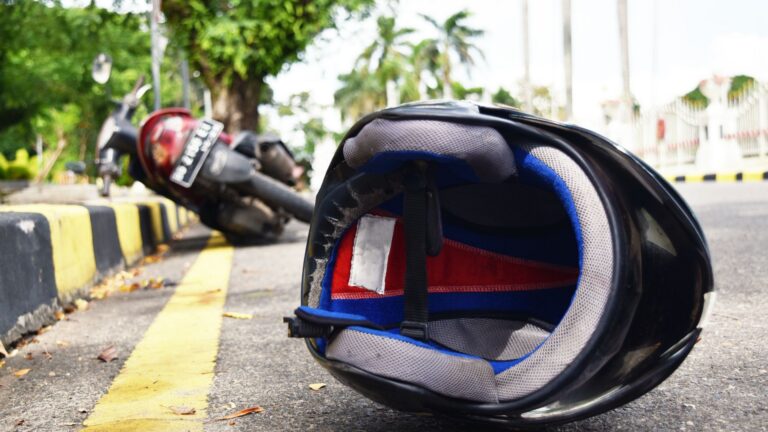
Lane Splitting Motorcycle Accident
A lane splitting motorcycle accident can leave riders facing serious injuries, medical bills, and frustrating disputes with insurance companies that misunderstand California law. Lane splitting is legal in California, but drivers and insurers often argue fault aggressively after a lane splitting motorcycle accident even when the rider acted responsibly and within accepted safety guidelines. Miracle Law focuses on clarifying what actually happened, how lane splitting motorcycle accident claims are evaluated, and how liability is determined under California traffic and personal injury laws.
When a motorcycle accident disrupts your life, clear legal guidance matters from the very beginning. Miracle Law helps injured riders understand their rights, assess if unsafe driver behavior contributed to the motorcycle accident, and pursue compensation that reflects the true impact of their injuries. If you were hurt in a lane splitting motorcycle accident and want direct answers about your options, call (888)843-5290 or visit our contact page to speak with Miracle Law and get a free consultation from our lawyers today.
Common Causes of Lane Splitting Motorcycle Accidents in California

Lane splitting motorcycle accidents frequently stem from driver behavior that fails to account for motorcycles lawfully traveling between lanes during congested traffic conditions. Even though lane splitting is permitted under California law, many drivers remain inattentive, impatient, or unaware of how their actions increase the risk of a motorcycle accident. Miracle Law analyzes these crashes by focusing on how ordinary driving decisions escalate into dangerous situations for riders.
Understanding the most common causes of a motorcycle accident helps establish why liability often rests with the driver rather than the motorcyclist. These cases require close examination of traffic flow, driver awareness, and roadway conditions at the moment the motorcycle accident occurred. Miracle Law uses this analysis to build claims that accurately reflect how and why the crash happened.
Unsafe Lane Changes by Passenger Vehicles
Unsafe lane changes remain one of the leading causes of a motorcycle accident in California, particularly in stop and go traffic. Drivers often merge without signaling, check mirrors briefly without looking for motorcycles, or drift between lanes while distracted, placing riders directly in harm’s way. In a lane splitting motorcycle accident, these movements frequently demonstrate a failure to maintain proper awareness of surrounding traffic. The risk increases significantly when traffic density narrows the margin for error and leaves riders with limited escape paths. Many motorcycle accidents tied to unsafe lane changes occur because drivers underestimate how quickly a motorcycle can approach between lanes.
Failure to Check Mirrors Before Merging
Drivers have a responsibility to check mirrors and blind spots before changing lanes, especially in congested traffic where motorcycles commonly lane split. When a driver fails to do so, the resulting lane splitting motorcycle accident often occurs with little warning and no opportunity for the rider to avoid impact. Miracle Law reviews mirror placement, traffic speed, and witness accounts to show how this failure contributes directly to the collision.
Sudden Lateral Movement Into a Motorcycle’s Path
Sudden lateral movement leaves motorcyclists with minimal reaction time, even when traveling at a reasonable speed while lane splitting. In a motorcycle accident, this type of movement often results in sideswipe injuries or forced evasive maneuvers that cause secondary crashes. These facts frequently support a finding of driver negligence.
Distracted Driving in Congested Traffic
Distracted driving plays a significant role in many accidents, particularly when drivers focus on phones, navigation systems, or in vehicle screens. Congested traffic requires heightened awareness, yet distraction reduces reaction time and situational awareness when motorcycles pass between lanes. A lane splitting motorcycle accident caused by distraction often reflects a clear breach of the driver’s duty of care. Even brief moments of inattention can be enough to miss a motorcycle approaching through narrow traffic gaps. These crashes frequently involve delayed steering or braking decisions that directly lead to impact.
Mobile Phone Use While Traffic Is Slowed
Drivers who use mobile phones while traffic slows often fail to notice motorcycles approaching from behind or alongside their vehicles. This distraction contributes to lane splitting motorcycle accidents when drivers drift, brake suddenly, or change lanes without awareness. Miracle Law examines phone records and crash timing to identify whether distraction influenced the driver’s behavior.
Delayed Reaction to Lane Splitting Motorcycles
Delayed reactions caused by distraction prevent drivers from adjusting safely to motorcycles moving between lanes. In a motorcycle accident, this delay can turn an otherwise manageable traffic interaction into a serious collision. These reaction failures often strengthen the argument that the driver caused the crash.
Aggressive or Intentional Driver Behavior
Some lane splitting motorcycle accidents involve aggressive driving, where motorists intentionally block riders or attempt to prevent lane splitting. This behavior often escalates routine traffic congestion into a dangerous encounter that places riders at unnecessary risk. A motorcycle accident involving aggression frequently raises serious liability concerns. These incidents differ from ordinary negligence because the driver’s conduct reflects conscious decision making rather than simple oversight. Evidence of aggression can significantly affect how fault and damages are evaluated.
Blocking or Closing Gaps Between Vehicles
Drivers who close gaps intentionally interfere with a motorcycle’s lawful movement between lanes. When this behavior leads to an accident, it often demonstrates recklessness rather than simple inattention. Miracle Law uses vehicle positioning and traffic footage to show how these actions contributed to the crash.
Speeding Up to Prevent a Motorcycle From Passing
Speeding up to prevent a rider from passing creates unpredictable traffic conditions and increases collision risk. In a lane splitting motorcycle accident, this conduct often reflects impatience and disregard for safety. These facts can play a key role in proving fault and pursuing compensation.
Who Is at Fault in a Lane Splitting Motorcycle Accident in California
Fault in a motorcycle accident depends on how each party behaved in the moments leading up to the collision and whether those actions complied with California traffic laws. Lane splitting is legal, but legality alone does not end the analysis, since insurers often argue that a rider contributed to the motorcycle accident through speed, positioning, or timing. Miracle Law evaluates fault by reconstructing the full traffic environment and identifying which decisions created the dangerous conditions that caused the crash.
California applies comparative fault rules, meaning responsibility for a motorcycle accident can be shared between the driver and the motorcyclist. Even when partial fault is alleged, riders may still recover compensation if another party’s negligence played a meaningful role in causing the laccident. Miracle Law focuses on separating assumptions from facts so fault determinations reflect what actually occurred.
Driver Negligence as the Primary Cause of Fault
In many lane splitting motorcycle accidents, fault rests primarily with the driver who failed to operate their vehicle safely in congested traffic. Drivers are required to remain aware of surrounding vehicles, including motorcycles lawfully traveling between lanes, and to avoid sudden or unsafe maneuvers. When a motorcycle accident occurs after a driver changes lanes abruptly or fails to signal, negligence often becomes the central issue. These cases frequently involve drivers who assume motorcycles should not be between lanes, despite California law permitting the practice. That misunderstanding often leads to careless decisions that directly cause a motorcycle accident.
Failure to Signal or Yield in Heavy Traffic
Drivers must signal and yield appropriately before changing lanes, especially in slow moving traffic where motorcycles frequently lane split. A motorcycle accident caused by a failure to signal often shows that the driver did not provide adequate notice for surrounding traffic to adjust. Miracle Law uses traffic patterns and vehicle positioning to demonstrate how this failure directly contributed to the crash.
Unsafe Lane Change Timing
Unsafe timing occurs when a driver initiates a lane change without allowing sufficient space or reaction time for a motorcycle already occupying that lane gap. In a lane splitting motorcycle accident, this mistimed movement frequently eliminates any reasonable opportunity for the rider to avoid impact. These timing issues often play a key role in assigning fault to the driver.
When Motorcyclist Conduct Affects Fault Analysis
Insurers often attempt to shift blame in a motorcycle accident by scrutinizing the rider’s speed and lane position. California guidance encourages lane splitting only when traffic conditions allow it to be done safely, which insurers may use to argue comparative fault. Miracle Law carefully evaluates whether the rider’s conduct truly contributed to the motorcycle accident or whether the argument relies on speculation rather than evidence. Many fault arguments focus on general assumptions about motorcycles rather than the rider’s actual behavior at the time of the crash. Separating perception from provable conduct is critical in these accident cases.
Excessive Speed While Lane Splitting
Speed becomes a focal point when insurers claim a rider moved faster than surrounding traffic in a way that increased risk. In an accident, speed analysis requires context, including traffic flow, visibility, and driver behavior. Miracle Law challenges unsupported speed allegations by examining physical evidence and expert analysis.
Limited Reaction Time in Dense Traffic
Dense traffic reduces reaction time for both drivers and riders, which insurers may use to argue shared fault. In an accident, reduced reaction time alone does not establish negligence unless the rider’s choices created unreasonable risk. These distinctions often determine how fault percentages are assigned.
Shared Fault Under California Comparative Negligence Rules
California law allows fault to be divided between parties based on their respective contributions to a lane splitting motorcycle accident. This means a rider can still recover compensation even if they share some responsibility for the crash. Miracle Law focuses on minimizing assigned fault by highlighting how driver actions remained the dominant cause of the lane splitting motorcycle accident. Comparative fault arguments often become the primary tool insurers use to reduce payouts rather than deny claims outright. Properly addressing these arguments can significantly affect the final outcome of a lane splitting motorcycle accident case.
How Fault Percentages Affect Compensation
Fault percentages directly impact the amount of compensation available after an accident. If a rider is found partially responsible, recovery is reduced by that percentage rather than eliminated entirely. Miracle Law explains how these calculations work and challenges inflated fault assignments.
Disputing Unfair Fault Allocations
Insurers often exaggerate rider fault to limit payouts following an accident. Disputing these allocations requires evidence, legal analysis, and a clear narrative of events. Miracle Law works to ensure fault determinations align with California law and the actual facts of the crash.
How California Law Applies to a Lane Splitting Motorcycle Accident
California law plays a central role in determining responsibility, liability, and compensation after a motorcycle accident. While lane splitting is legal, the law does not grant automatic fault to either party, which often creates confusion during insurance investigations. Miracle Law applies California statutes, traffic guidance, and case law together to explain how an accident should be evaluated under real legal standards rather than assumptions.
Legal analysis focuses on reasonableness, meaning how drivers and riders behaved in light of traffic conditions at the time of the accident. Courts and insurers examine whether each party acted prudently, remained attentive, and complied with applicable duties of care. Miracle Law uses this framework to cut through misinformation and present a legally grounded view of fault.
Legal Status of Lane Splitting Under California Law
California is the only state that explicitly recognizes lane splitting as a lawful traffic practice, which directly affects how a motorcycle accident is analyzed. State law does not prohibit motorcycles from traveling between lanes when traffic is slowed or stopped. This legality prevents insurers from arguing that lane splitting alone caused the lane splitting motorcycle accident. However, legality does not eliminate the need for safe operation by both drivers and riders. Miracle Law emphasizes that the lawful nature of lane splitting shifts the focus toward conduct rather than presence.
California Vehicle Code and Lane Splitting Guidance
California Vehicle Code provisions recognize motorcycles as full participants in traffic with the same rights and responsibilities as other vehicles. State guidance clarifies that lane splitting is permitted when done in a manner consistent with safety and traffic conditions. Miracle Law references these authorities to counter claims that lane splitting itself violates traffic laws.
CHP Safety Guidelines and Their Legal Weight
CHP guidelines offer safety recommendations but do not function as binding law. In a motorcycle accident, insurers may attempt to treat these guidelines as strict rules. Miracle Law explains the difference between guidance and enforceable statutes when evaluating liability.
Reasonableness Standards Applied to Drivers and Riders
California law evaluates a lane splitting motorcycle accident by asking whether each party acted reasonably under the circumstances. This standard applies equally to drivers and motorcyclists, rather than favoring one over the other. Reasonableness considers traffic speed, visibility, road conditions, and driver awareness at the time of the lane splitting motorcycle accident. Insurers often oversimplify this analysis to justify denying claims. Miracle Law reframes reasonableness using fact specific evidence rather than generalized assumptions.
Duty of Care Owed by Passenger Vehicle Drivers
Drivers owe a duty of care to remain aware of all surrounding traffic, including motorcycles lane splitting lawfully. This duty includes signaling, checking mirrors, and avoiding sudden maneuvers. Breaches of this duty frequently form the legal basis of a motorcycle accident claim.
Anticipating Motorcycles in Congested Traffic
California law expects drivers to anticipate motorcycles in traffic environments where lane splitting is common. Failure to anticipate lawful motorcycle movement can indicate negligence. These expectations influence how fault is assigned after a lane splitting motorcycle accident.
How Courts and Insurers Interpret Lane Splitting Cases
Courts and insurers rely on evidence, expert testimony, and statutory interpretation to assess a motorcycle accident. Prior case outcomes influence how reasonableness and fault are evaluated, even when facts differ. Insurers often selectively interpret precedent to minimize exposure. Miracle Law reviews how similar lane splitting motorcycle accident cases have been analyzed to counter biased interpretations. This approach helps align claims with established legal reasoning.
Role of Evidence in Legal Interpretation
Evidence such as vehicle positioning, skid marks, traffic speed, and witness statements shapes how California law is applied. In an accident, evidence often outweighs speculation about rider behavior. Miracle Law organizes this evidence to match legal standards.
How Legal Interpretation Impacts Settlement Decisions
Legal interpretation directly affects settlement leverage and compensation outcomes. Insurers adjust settlement positions based on perceived legal risk. Accurate application of California law strengthens a lane splitting motorcycle accident claim during negotiations.
How Miracle Law Builds Lane Splitting Motorcycle Accident Cases

Building a strong lane splitting motorcycle accident case requires more than relying on general traffic laws or assumptions about fault. Miracle Law approaches each accident by focusing on how the crash actually unfolded, how California law applies to those facts, and how insurers are likely to challenge liability. This process allows Miracle Law to develop a clear, evidence driven narrative that explains why the rider deserves compensation.
Insurance companies often treat an accident as an opportunity to shift blame onto the motorcyclist, even when the rider acted lawfully. Miracle Law anticipates these tactics early and structures each case to withstand scrutiny from insurers and defense attorneys. By grounding every claim in facts, legal standards, and documented evidence, Miracle Law builds cases designed for resolution or litigation if necessary.
Reconstructing the Lane Splitting Motorcycle Accident From the Start
Miracle Law begins every lane splitting motorcycle accident case by reconstructing the moments leading up to the collision. This process examines traffic flow, lane positioning, vehicle speed, and driver behavior to establish how the crash occurred. Rather than relying on surface level police summaries alone, Miracle Law looks deeper into the mechanics of the lane splitting motorcycle accident. This reconstruction helps identify inconsistencies in driver statements and insurer assumptions. A detailed factual timeline often becomes the foundation of the entire case strategy.
Analyzing Traffic Conditions and Vehicle Positioning
Traffic congestion, lane width, and vehicle spacing play a major role in lane splitting motorcycle accident analysis. Miracle Law reviews these factors to determine whether the rider had a reasonable path of travel. This analysis helps counter claims that the rider appeared suddenly or unpredictably.
Identifying the Moment Negligence Occurred
Pinpointing when negligence occurred allows Miracle Law to focus liability on the correct party. In a lane splitting motorcycle accident, this moment often involves an unsafe lane change or failure to observe traffic. Establishing this timing strengthens fault arguments.
Gathering Evidence That Supports Rider Credibility
Evidence collection remains critical in every lane splitting motorcycle accident case, especially when insurers attempt to discredit the rider. Miracle Law gathers physical evidence, digital data, and witness accounts to support the rider’s version of events. This evidence helps demonstrate that the lane splitting motorcycle accident resulted from driver conduct rather than reckless riding. Strong documentation also limits an insurer’s ability to rely on speculation. Each piece of evidence is selected to reinforce consistency and credibility.
Using Video, Witnesses, and Scene Documentation
Dash camera footage, surveillance video, and witness statements often provide clarity after a lane splitting motorcycle accident. Miracle Law reviews this material to confirm lane position and driver actions. Visual evidence can directly contradict insurer narratives.
Preserving Evidence Before It Disappears
Evidence can be lost quickly after a lane splitting motorcycle accident. Miracle Law acts early to preserve footage, records, and statements. Early preservation prevents insurers from controlling the narrative.
Anticipating Insurance Company Defense Strategies
Insurance companies frequently rely on predictable defenses in lane splitting motorcycle accident claims. Miracle Law prepares for these arguments before they appear by analyzing how insurers typically assign comparative fault. This preparation allows the firm to respond with evidence rather than reactive explanations. Addressing defense strategies early reduces delays and strengthens settlement positions. Proactive planning often changes how insurers value the case.
Challenging Comparative Fault Allegations
Comparative fault allegations often focus on speed or lane choice. Miracle Law examines whether these claims are supported by evidence. Unsupported allegations are challenged directly.
Countering Assumptions About Lane Splitting Safety
Insurers often rely on outdated beliefs about lane splitting. Miracle Law counters these assumptions with California law and factual analysis. This approach reframes how the lane splitting motorcycle accident is evaluated.
Call Miracle Law Today For Help With Your Lane Splitting Motorcycle Accident Case
A lane splitting motorcycle accident can leave you dealing with painful injuries, financial pressure, and an insurance company that questions your right to recover. Miracle Law understands how California law applies to lane splitting motorcycle accident claims and how insurers attempt to shift blame onto riders who acted lawfully. Having a legal team that knows how to present the facts, apply the law correctly, and push back against unfair fault allegations can make a meaningful difference in how your case moves forward.
You should not have to navigate a lane splitting motorcycle accident claim while guessing how liability works or worrying about saying the wrong thing to an insurer. Miracle Law focuses on giving injured riders clear answers, honest assessments, and a structured plan for pursuing compensation after a lane splitting motorcycle accident. Every case is approached with the goal of protecting your rights and positioning your claim for the strongest possible outcome.
If you were injured in a lane splitting motorcycle accident and want a clear explanation of your options, call (888)843-5290 or visit our contact page to speak with Miracle Law today or visit our contact page to learn how our firm can help you take the next step toward recovery.