

Life after an Ontario personal injury accident can feel like it’s moving at a different pace. Medical appointments fill up your calendar, paperwork needs to be handled, and previous routines might involve extra planning. Dealing with physical pain and new limitations is challenging enough, but the added stress of handling insurance questions and keeping track of everything can make the whole situation feel overwhelming. Each day might bring a new set of responsibilities into the mix, and it’s hard to focus on your recovery when other things keep getting in the way.
Legal support should take the weight off your shoulders, not add to the burden. At Miracle Law, our approach centers on what you’re dealing with right now, not just the technicalities of your case. We look at how your accident has changed your daily life, your finances, and your emotional and physical health. Our attorneys handle the legal details, communicate directly with insurers, and build your case with care, keeping your goals in focus at every stage. We want you to have the confidence to focus on your health and your priorities, knowing someone is in your corner to handle the rest. If you’d like to talk about your options and get a better sense of what comes next, you can call Miracle Law at (888) 843-5290 to speak with our team.
What a Personal Injury Claim Looks Like in Ontario, CA
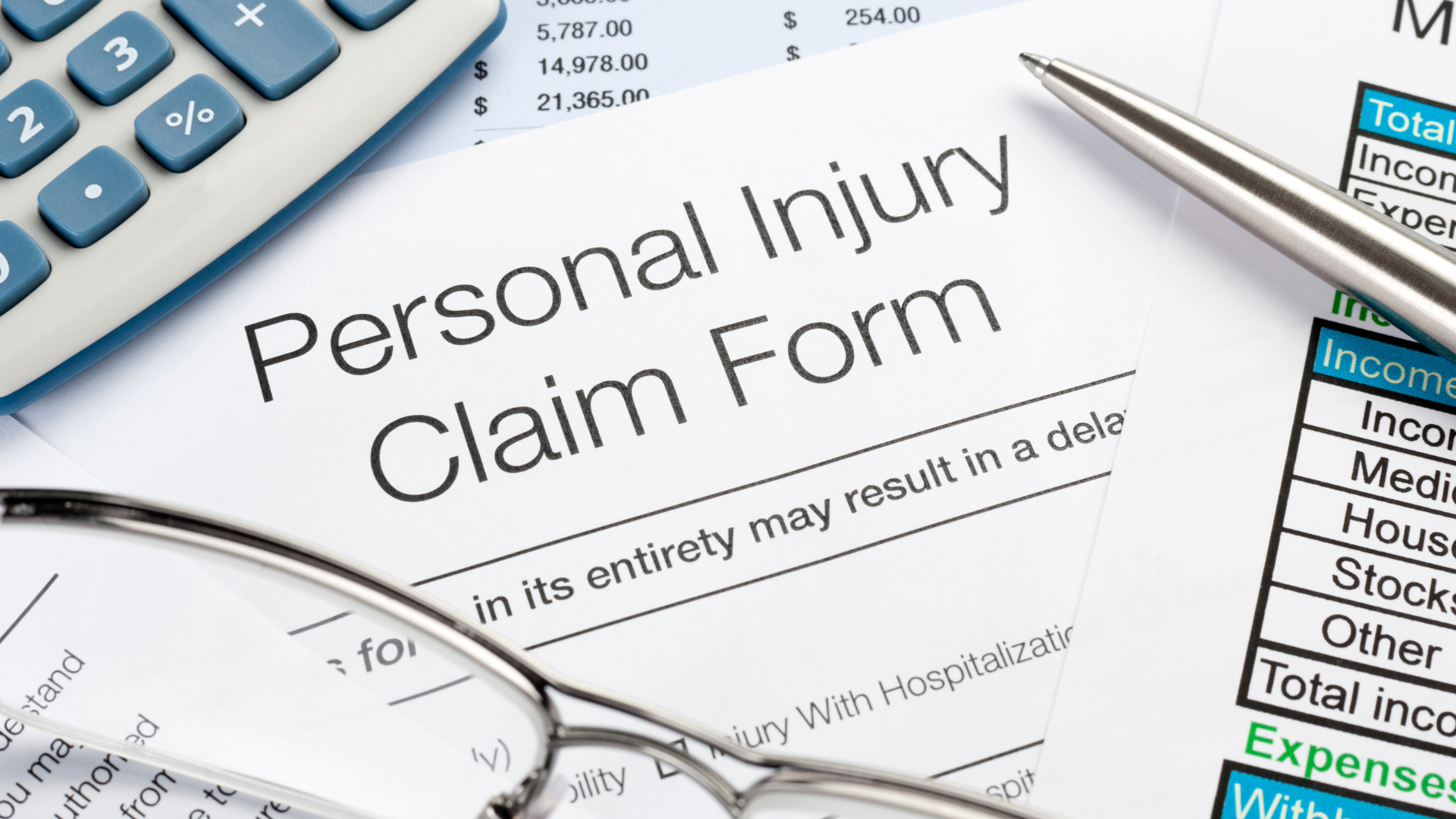
A personal injury claim in Ontario usually begins long before any formal paperwork gets filed. Seeking medical care, reporting the accident, and having those first conversations with insurers all shape what your claim will eventually look like. You may not think of these early steps as part of a legal process, but they often carry a lot of weight later.
At Miracle Law, our job is to help you organize all the relevant details into a structured claim. We look at what’s already happened, what information still needs to be collected, and what deadlines apply to your situation. That way, your Ontario personal injury case starts to feel more organized and less like a stack of unrelated tasks you have to manage alone.
Early Stages of an Ontario Personal Injury Claim
The early stages of an Ontario personal injury claim focus on your health and on capturing accurate information while events are still fresh. You’re likely juggling pain, appointments, and practical issues like transportation or childcare, so it’s easy to feel like the details are slipping away. We help you protect those details so you can come back to them later when it’s time to build your case.
Seeking Prompt Medical Evaluation After an Accident
Getting checked by a medical professional as soon as you can helps protect both your health and your claim. Some injuries don’t show their full impact right away, and a doctor’s evaluation can catch issues before they get worse. When you tell your provider that the Ontario personal injury accident caused your symptoms, that note in your records creates an important link between the incident and the pain you’re feeling now.
Reporting the Incident and Preserving Key Details
Reporting the accident to the right people and holding onto early information can make a major difference. That might mean a police report, an incident form at a business, or a notice to a landlord or property manager. Photos, names of witnesses, and any written statements can all help later when memories fade. Our firm uses that material to confirm timelines, identify responsible parties, and fill in gaps before they become problems.
Staying Consistent When You Describe What Happened
Over time, you’ll talk about your Ontario personal injury accident with doctors, adjusters, and possibly other professionals. Small differences in wording are normal, but big shifts can cause confusion. We help you keep your description clear and consistent so insurers can’t use minor changes to argue that the event must have unfolded in a different way than you remember.
Why Consistency Builds Credibility
When your reports, medical notes, and later statements all tell the same basic story, it becomes easier to show that you’re describing what truly happened. That consistency supports your credibility and makes it harder for others to suggest that you’re guessing or exaggerating.
How Your Ontario Personal Injury Claim Develops Over Time
After the initial shock passes, your Ontario personal injury claim moves into a phase where medical treatment, documentation, and communication with insurers start to overlap. You may still be recovering while new forms and letters show up at your door. We help you keep track of which pieces matter for your claim and which are just part of routine administrative follow up.
Coordinating Medical Care and Documentation
Ongoing care and follow up visits help your providers understand how your injuries respond to treatment. We gather your records, therapy notes, test results, and recommendations so we can show how your condition has changed since the accident. Those records support your claim by documenting pain levels, functional limits, and the progress you’ve made or still need to make.
Tracking Work Impact and Daily Limitations
A strong Ontario personal injury case doesn’t stop at medical charts. It also reflects how your injuries affect work, household tasks, and everyday activities. We talk with you about missed shifts, reduced hours, and adjustments you’ve had to make at home. That information helps us explain your losses in practical terms that go beyond simple numbers on a bill.
Documenting Changes in Your Routine Over Time
As your recovery continues, the way your injuries show up in your routine can shift. You might return to work but find that certain tasks now take longer or leave you exhausted. We encourage you to note these changes, even when they seem minor, so we can connect them to the accident and include them when we describe your losses.
When an Ontario Personal Injury Case Moves Toward Litigation
Most Ontario personal injury claims start with the hope of resolving things through negotiation. Sometimes, though, the other side won’t accept responsibility or refuses to make a reasonable offer. When that happens, your case may need to move closer to litigation. Filing a lawsuit doesn’t mean you’re guaranteed to go all the way to trial, but it does set firm deadlines and shows the insurer that you’re serious about pursuing a fair result.
Understanding the Role of a Lawsuit in Your Claim
Filing a lawsuit doesn’t mean your case stops moving toward settlement. It does protect your rights and bring the court into the process, which can push all parties to take the claim more seriously. We explain what filing suit would mean for your timeline, your involvement, and your potential outcomes so you can decide whether that step fits your situation.
Preparing for Discovery and Court Deadlines
If litigation becomes part of your Ontario personal injury case, both sides will exchange information through discovery. That phase can include written questions, document requests, and depositions. We guide you through each step, prepare you for anything you need to answer personally, and handle the rest on your behalf. Our goal is to keep the legal process structured and manageable while you continue focusing on your recovery.
Determining Fault in an Ontario Personal Injury Claim
Determining fault in an Ontario personal injury claim plays a central role in how your case develops. You may feel that the other person’s responsibility is obvious, but insurers often look for ways to shift blame or argue that you share more of the fault than you should. Understanding how fault is evaluated can make these arguments feel less personal and more like a part of the process we can address together.
Our firm looks at fault in a detailed, practical way. We start with what you remember, then compare that to other available information to see where everything lines up. From there, we build a picture that shows how the accident really happened, rather than how an insurance company might prefer to frame it.
Looking at How the Accident Actually Happened
The starting point for fault analysis is a clear description of what took place. We go step by step through the moments leading up to your Ontario personal injury accident, focusing on what each person did or didn’t do. That includes positions, movements, signals, and any warnings or conditions that were present.
Reconstructing Events Through Evidence
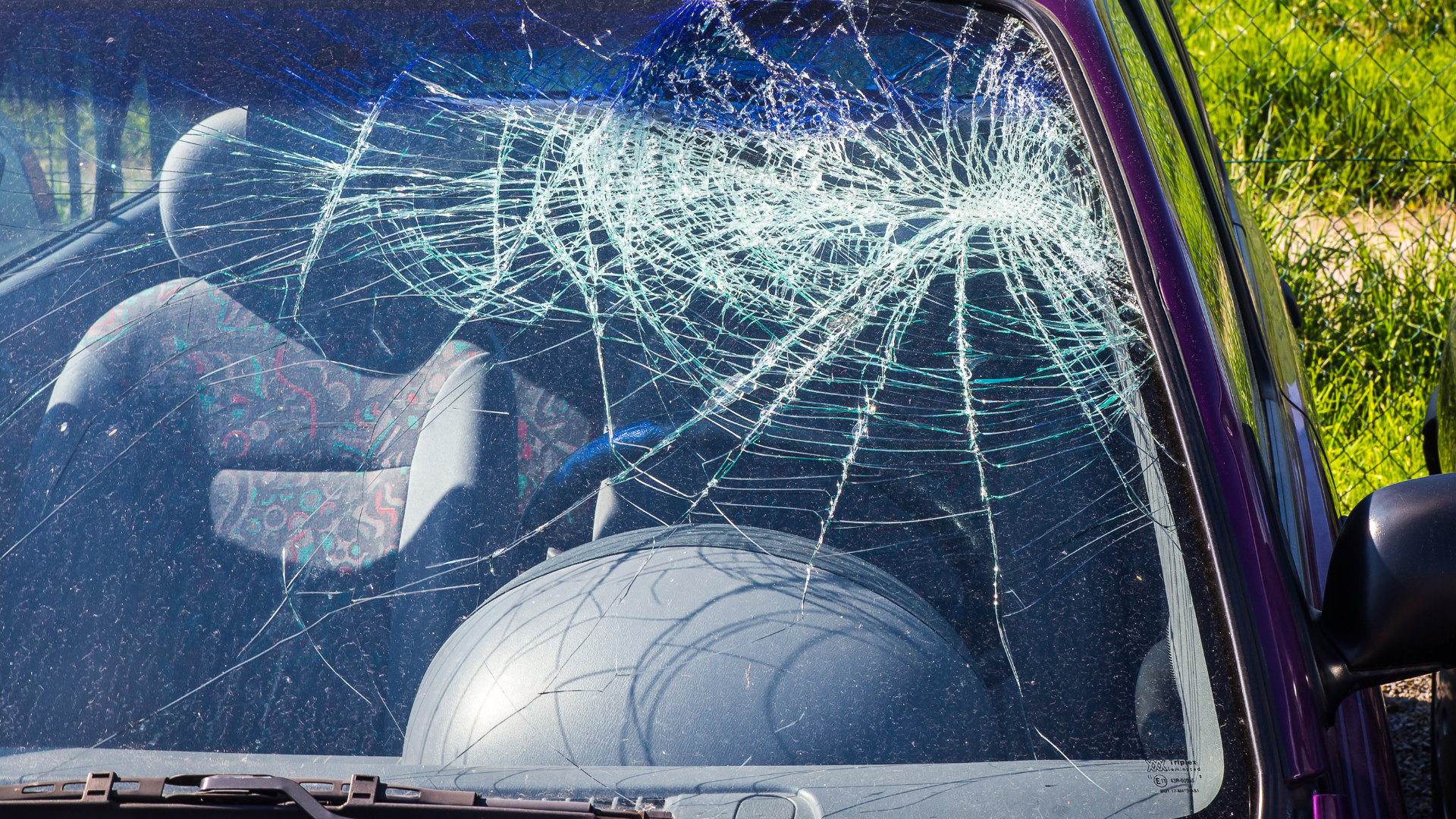
We use physical evidence, photos, video if available, and official reports to reconstruct the accident. For a vehicle collision, that might include impact points, skid marks, and traffic controls. For a fall, it could involve surface conditions, lighting, and layout. Pulling these details together helps us move from general impressions to a structured explanation of how the Ontario personal injury incident occurred.
Using Witness Accounts and Physical Clues
Witnesses can add valuable perspective, especially when they saw the accident from another angle. We compare their statements to physical clues at the scene to confirm or clarify key points. Even when accounts differ in small ways, patterns usually emerge that point toward a more accurate version of events.
Sorting Out Conflicting Versions of the Story
Sometimes the other side describes the accident very differently than you do. Instead of treating this as a dead end, we look at which version fits the objective evidence more closely. That might mean comparing times, distances, or actions to see which account makes sense in light of the facts we can verify.
Keeping the Focus on Unsafe Choices
When there are disagreements, we keep bringing the focus back to the choices that created risk. If someone ignored a hazard, broke a traffic rule, or failed to address a known problem, those decisions matter more than attempts to shift attention away from their conduct.
Comparative Fault in Ontario Personal Injury Cases
In many Ontario personal injury cases, the other side raises the idea of comparative fault. That concept allows compensation to be reduced if you share some responsibility for the accident. It doesn’t automatically block your recovery, but it does change how the numbers are calculated. Understanding how those percentages work can help you see why insurers sometimes push hard to place more blame on you than the facts actually support.
How Shared Responsibility Affects Compensation
If an insurer or court decides you’re partly at fault, they may reduce your recovery by the percentage of responsibility assigned to you. We work hard to keep that percentage realistic and grounded in evidence. Our goal is to prevent inflated claims of shared fault that don’t match what actually happened.
Responding When Insurers Blame You
When an insurer suggests that you caused or worsened your Ontario personal injury accident, it can feel frustrating and unfair. We treat those arguments as part of the legal process, not as a judgment on your character. By returning to the facts, policies, and safety rules that apply, we push back against blame shifting that isn’t supported by the record.
Identifying All Parties Who May Share Responsibility
Sometimes the person you dealt with at the scene isn’t the only one who bears responsibility. Businesses, property owners, contractors, or other entities may have played a role in creating the conditions that led to your Ontario personal injury accident. When we look at the broader picture, we can uncover additional sources of insurance coverage and accountability that might not be obvious at first glance.
Looking Beyond the Person Right in Front of You
We review ownership records, contracts, and other documents to see who controlled the vehicle, property, or activity that caused your injuries. That might mean a company that owned a truck, a business that maintained a parking lot, or a landlord who managed a building. Including all responsible parties from the start helps protect you from gaps that could limit your recovery.
Company Policies, Property Owners, and Other Entities
Policies, training, and maintenance practices can all affect safety. We look at whether a company followed basic safety procedures, whether a property owner kept areas in reasonable condition, and whether anyone ignored warning signs. These details help show that your Ontario personal injury accident didn’t happen in isolation, but in an environment that someone else had a duty to manage.
Why It Matters To Include Every Liable Party
When all liable parties are included, your claim has a better chance of reflecting the full scope of responsibility and the full range of available insurance coverage. That can make a meaningful difference when it’s time to talk about settlement or, if needed, present your case in court.
Coordinating Claims Against Multiple Defendants
Pursuing claims against more than one defendant can make a case more complex, but it can also protect your interests. We coordinate these efforts so you don’t have to keep track of separate conversations or deadlines with different insurers and attorneys.

Calculating Damages and Settling an Ontario Personal Injury Claim
Calculating damages in an Ontario personal injury claim isn’t just a matter of adding up bills. It involves looking at past costs, present losses, and future needs, then placing them in a framework that makes sense legally and practically. Only after we understand that full picture can we begin to evaluate settlement options in a meaningful way.
Our firm focuses on creating a damages picture that’s accurate and grounded in evidence. We look at what you’ve already paid or lost, what you’re likely to face going forward, and how the accident has changed your daily experience. That information becomes the basis for settlement talks and, if necessary, trial.
Understanding the Financial Side of Your Losses
Financial losses in an Ontario personal injury case often show up first in medical bills and missed paychecks. Over time, they can also include future treatment, job changes, and other costs tied to your injuries. We work through each category with you so nothing important gets left out. This helps ensure any settlement or verdict reflects what the accident has already cost you and what it’s likely to cost going forward.
Past Medical Bills and Treatment Costs
We gather bills, explanations of benefits, and provider statements to document the care you’ve already received. That includes emergency treatment, follow up visits, therapy, medication, and any equipment you’ve needed. These records show what it has taken so far to address the harm from your Ontario personal injury accident.
Future Care Needs and Support
Your doctors may expect that you’ll need additional treatment, ongoing therapy, or periodic evaluations. We talk with them about those expectations and, when appropriate, obtain written opinions that explain your future care needs. Those opinions help us include future costs in your damages rather than limiting your claim to what has already been billed.
Non Economic Harm in an Ontario Personal Injury Case
Not all harm shows up on invoices. Non economic damages cover the ways your injuries have affected your life beyond money. That includes pain, emotional strain, and changes in your ability to enjoy activities you once took for granted. By putting those experiences into clear, specific language, we help others see that your Ontario personal injury case is about your quality of life, not just your financial bottom line.
Pain, Discomfort, and Loss of Enjoyment
We talk with you about the pain you feel, how often it appears, and what makes it worse or better. We also ask about activities you’ve had to give up or cut back on because of your injuries. This information helps us explain the human side of your Ontario personal injury case, not just the financial side.
Emotional Strain and Daily Frustration
An accident can bring anxiety, sleep issues, or a sense of constant stress that wasn’t there before. You might feel more cautious in situations that used to feel normal or find that small tasks now take much more effort. We help you describe these changes in a way that shows how the accident continues to affect your quality of life.
Putting Non Economic Harm Into Words
It can feel hard to talk about pain or emotional struggles in concrete terms. We ask focused questions and give you space to answer honestly so we can present this part of your damages clearly. The goal isn’t to exaggerate but to help others understand what daily life feels like now compared to before your Ontario personal injury accident.
How Settlement Negotiations Usually Work
Settlement negotiations in an Ontario personal injury case generally happen after we’ve gathered enough information to understand your damages and the strength of your claim. By that point, we’ve evaluated fault, collected records, and talked with your providers. You should never feel pushed into these discussions before you’re ready or before your case is properly prepared.
Evaluating Initial Offers With a Clear Eye
Insurers often start negotiations with offers that cover only a portion of your losses. We compare any offer to the damages we’ve documented and explain how it stacks up. You’ll know whether an offer falls short of your medical costs, ignores future care, or fails to account for pain and other non financial harm.
Using Evidence To Support a Higher Settlement
When we ask for more than the insurer has offered, we don’t rely on vague statements. We point to records, testimony, and legal principles that support the higher number. That approach shows we’re not guessing or asking for more just to ask; we’re basing our position on the specifics of your Ontario personal injury case.
Deciding When a Settlement Number Makes Sense
There’s no single “right” answer about when to settle. We talk with you about how each potential number relates to your needs, your risks, and your goals. If a settlement fairly covers your losses and provides stability, that may be a good point to resolve the case. If it doesn’t, we discuss next steps, including the possibility of litigation or continuing negotiations.
Learn More About Your Options With Miracle Law
Recovery after a personal injury accident isn’t just about your medical journey, it’s about putting your routines back together and regaining control over your life. Between doctor’s appointments, work rearrangements, and family responsibilities, it can be hard to get situated after an accident. While you’re handling all of that, the insurance side of things can quickly eat into any spare time you have left. It’s understandable to want more balance and structure at a time like this, or even just help with deciding what to do next.
Working with Miracle Law means you won’t have to navigate those challenges by yourself. Our attorneys take time to listen to your story and understand the specific ways your Ontario personal injury accident has affected your life. We step in to handle communications with insurance adjusters, organize your documents, and outline a clear plan for your claim. Our role is to keep the process as clear and predictable as possible so you can put your attention where it matters most, on your health and your family. If you’re ready to find out more about how we can help, call Miracle Law at (888) 843-5290 or use our contact page to reach out today.