
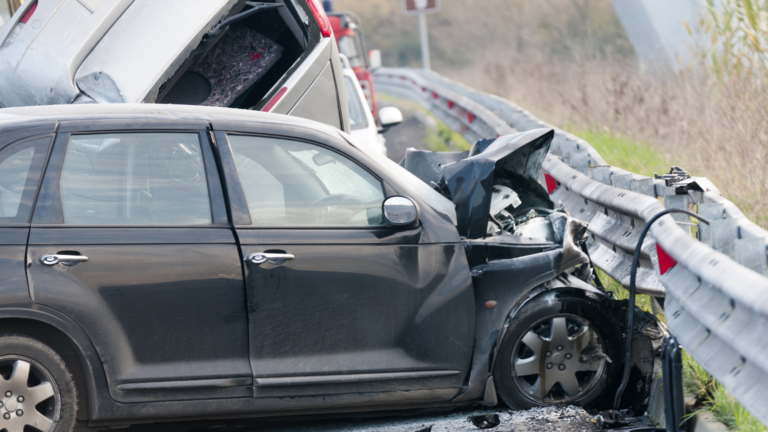
Recovering from an Ontario car accident means working through a number of obstacles, physical pain, financial strain, and insurance questions. California law protects people who’ve been injured in different types of accidents, but those rights can be hard to parse through when insurance companies drag out your claim. It’s easy to get caught up in the semantics when dealing with the aftermath of your accident, but it’s important to take note of certain deadlines and other details. That’s where experience makes the difference.
Miracle Law’s Ontario car accident lawyers can help you build a strong case and move your case forward. Insurance companies aim to protect their own interests, we aim to ensure you’re given the compensation you deserve. Every case is built around what happened in your specific crash, not a template. From the first consultation, you’ll get answers about liability, deadlines, and what documentation matters most for your case. If you’d like to explore your options and find out how we can help, call Miracle Law at (888) 843-5290. We are ready to fight for your rights, recovery, and long-term stability, keeping your goals in mind every step of the way.

Deadlines To File An Ontario Car Accident Claim
Legal deadlines can shape how much room you have to make decisions after a crash. The date of an Ontario car accident doesn’t just mark when the crash occurred, it also starts the clock on various time limits that control when you can file a lawsuit and, in some situations, when you must give special notice. You don’t need to memorize every rule, but you should know that waiting too long can limit your options, even if your injuries are clear and well documented.
Our attorneys help you understand how those time limits apply to your situation in practical terms. We look at when the crash happened, who might be responsible, and whether any special rules could shorten the usual window. By keeping your case on track from the start, we give you the best chance at a full recovery, not just medically, but financially as well.
Understanding Legal Time Limits For Car Accident Cases
Time limits in car accident cases exist to keep claims moving while evidence remains reasonably fresh. In California, these statutes can feel strict once you see how quickly months pass during treatment and recovery. The law expects injured people to act within certain periods, even when they still feel overwhelmed. Knowing those outer boundaries early helps you avoid last minute scrambling.
Statutes Of Limitation And Civil Lawsuits
Civil lawsuits that arise from Ontario car crashes must meet specific filing deadlines set by statute. These deadlines usually run from the date of the collision or from when you reasonably discovered your injury. If you file too late, a court can refuse to hear the case, no matter how strong the facts look. We track these limits so you don’t lose your chance to bring a claim because of timing alone.
Special Time Limits For Public Entity Claims
Collisions that involve government vehicles or unsafe public property can trigger shorter notice requirements. In those situations, you may need to file a claim with the public entity long before the standard lawsuit deadline. Our firm reviews police reports and other records to see whether any public agency might be involved in your Ontario car accident case and whether special timing rules apply.
How Delays Complicate A Claim
As time passes, it often becomes harder to locate witnesses, preserve records, and keep track of details. Treatment gaps or long pauses in the claim process can also raise questions for insurers and defense attorneys. By paying attention to deadlines early, you can help protect both your rights and the quality of the evidence in your Ontario car accident claim.
Steps That Help You Stay Ahead Of Deadlines
You don’t need to rush into every possible action at once, but a few steady steps can help you stay ahead of claim and lawsuit timelines. Early medical care, simple documentation, and basic follow up with insurers all contribute to a stronger position if you later decide to file suit. These efforts keep your case moving without turning your life into a constant cycle of legal tasks.
Reporting The Crash And Saving Key Information
Reporting the collision to your insurer and, when required, to law enforcement helps create a basic record tied to the date of the Ontario car accident. Saving claim letters, medical visit summaries, and any photographs in one place makes it easier to see what’s already done and what might still be missing. That simple organization supports both settlement discussions and lawsuit preparation.
Checking Timing When Your Case Involves Multiple Parties
Claims that involve more than one potentially responsible party can create overlapping or unusual timing issues. You might have different deadlines for a negligent driver, a public entity, or another third party. Our attorneys identify all possible defendants early so you understand the full timing picture, rather than discovering new deadlines when it’s already too late to meet them.
When To Talk With an Attorney About Timing
Questions about timing often appear when you realize how much time has already passed since the Ontario car crash. You might see months of treatment behind you and still not feel close to a resolution. At that point, it makes sense to ask whether you’re approaching any legal limits and what needs to happen next.
Recognizing Signs That Time May Be Running Short
If you’re approaching the anniversary of your crash and still don’t have a clear plan, or if you’ve received notices hinting at closure or denial, timing deserves attention. A lawyer can review your file, identify applicable deadlines, and explain what can still be done within the remaining window. That guidance can ease some of the pressure you feel as dates approach.
Coordinating Legal Deadlines With Your Recovery
You shouldn’t have to choose between protecting your case and focusing on your health. When we handle timing and filing decisions, you can stay centered on medical care while still moving your Ontario car accident case forward. We align lawsuit steps with your treatment status as much as possible so you’re not rushed into decisions before you understand your long term outlook.

Navigating Insurance After An Ontario Car Crash
Insurance often feels like the most visible part of the process after an Ontario car crash. You might receive calls, emails, and letters long before anyone mentions court or formal legal rules. Even when everyone seems polite, the insurer’s job involves controlling payouts and closing files efficiently. Understanding how coverage, communication, and evaluation usually work helps you respond in ways that protect your interests.
Our firm helps you make sense of insurance issues in your Ontario car accident case by breaking them into manageable pieces. We look at what coverage applies, how adjusters have responded so far, and what information they’ve requested. From there, we talk about how to communicate in a way that’s accurate and fair without weakening your position, and how to evaluate any offer that comes across the table.
How Insurance Coverage Works After A Car Accident
The coverage available after a crash depends on the policies in place before the collision. You might look at the at fault driver’s liability coverage, your own underinsured motorist coverage, med pay provisions, or a mix of several sources. Each policy has its own limits and conditions, which can make the landscape confusing at first glance.
Identifying All Applicable Policies
We review declarations pages, letters, and any policy information you have to see what might apply to your Ontario car accident injury claim. Sometimes coverage that looks minor at first can play an important role in filling gaps left by primary policies. By mapping out the full picture, we can plan a strategy that accounts for available resources rather than leaving potential benefits unused.
Understanding Policy Limits And Their Impact
Policy limits define the maximum amount a given insurer will pay on a claim. When medical costs and other losses approach or exceed those limits, settlement discussions change. We help you understand how those numbers affect your case so you have realistic expectations about what certain insurers can contribute toward resolving your Ontario car accident case.
Coordinating Coverage Between Different Insurers
When multiple policies overlap, the order in which claims are presented and resolved can matter. Coordination helps prevent duplicate payments and reduces arguments between insurers about who should pay first. Our role includes managing that coordination so you don’t have to referee disputes between companies while you’re trying to recover.
Avoiding Confusion Over Benefits
Clear communication prevents misunderstandings about which bills each policy should address. We work to explain your situation to insurers in straightforward terms so everyone understands their respective roles, which helps your Ontario car crash claim move more smoothly.
Communicating With Insurance Adjusters In An Ontario Car Accident Case
The way you handle conversations with adjusters can shape their view of your claim. You want to provide accurate information, but you also need to avoid speculation or statements that minimize your injuries. A measured, consistent approach helps you stay credible without giving the insurer reasons to undervalue your Ontario car accident injury claim.
Setting The Tone In Early Contacts
Early calls usually focus on basics, such as confirming your identity, the date of the crash, and the vehicles involved. These conversations can feel casual, but they still become part of the file. We often suggest that people keep answers brief and factual and avoid detailed discussions of pain levels or fault until they have a better grasp of their situation.
Responding To Requests For Statements And Documents
Adjusters may request recorded statements or broad authorizations for medical records. You have the right to understand what they’ll do with that information and to set reasonable limits. Our attorneys help you decide what makes sense to share, what to keep private, and whether we should handle those communications on your behalf in your Ontario car accident case.
Moving From Insurance Claim To Settlement Discussions
At some point, most insurance claims shift from information gathering to talk about numbers. That transition often happens quietly, with a first offer arriving in a letter or phone call. Understanding how insurers reached that figure and how it compares to your actual losses helps you decide how to respond.
Organizing Records To Support Negotiations
Well organized medical records, wage information, and documentation of daily impact give you a stronger position when you discuss settlement of your Ontario car accident case. We pull those materials together into a clear summary so adjusters can see the full scope of your losses, not just a list of bills.
Evaluating Offers Against Your Situation
A dollar amount only means something when you compare it to your actual needs and likely future expenses. We look at current treatment, expected care, wage loss, and non economic harm to help you decide whether an offer reasonably reflects what you’ve been through. If it doesn’t, we talk about how to continue negotiations or explore other options.

Addressing The Long-Term Impact Of An Ontario Car Accident
The effects of an Ontario car accident don’t always stop when the vehicle is repaired or your first round of treatment ends. Some injuries linger in ways that change how you work, move, and plan. Thinking about that longer horizon can feel uncomfortable, but it plays an important role in deciding what kind of resolution makes sense. A claim should reflect the full course of your recovery, not just the first few months.
Our attorneys help you look at the long term impact of your collision with a practical lens. We discuss ongoing medical needs, work changes, and shifts in daily routines. Then we consider how those factors influence the value of your Ontario car accident case and what kind of settlement structure or litigation plan best supports your future.
Ongoing Medical Needs After A Car Crash Injury
Some injuries require care long after the initial healing phase. You might need continued therapy, periodic injections, or potential future procedures if symptoms don’t improve. Those needs carry costs and time commitments that a one time settlement should take into account.
Following Through With Recommended Treatment
Following reasonable recommendations helps you manage symptoms and shows that you’re doing your part to recover. It also creates a record of your efforts over time. Insurers pay attention to these patterns when they evaluate your Ontario car accident injury claim, and consistent care tends to support your credibility.
Talking With Providers About Future Care
Your providers can often explain what you should expect in the coming months or years. Their opinions about likely treatment, restrictions, and prognosis help us estimate reasonable future costs. We rely on those opinions when we argue for compensation that addresses the full course of your recovery, not just short term expenses.
Work, Income, And Daily Life After An Accident
Crashes can shift the way you earn a living and move through your days. You might miss work entirely for a time, come back with restrictions, or find that some tasks now take much more effort. These changes affect both your finances and your sense of normalcy.
Documenting Income Loss And Job Changes
Pay stubs, time records, and employer notes help show when and how your work life changed after the Ontario car accident. These records support wage loss claims and, in some cases, help explain how your future earning capacity might differ from what you expected before the crash.
Describing Changes In Your Routine
Explaining how your daily routine looks now compared to before the collision helps others see the non financial side of the loss. You might need more rest, struggle with specific activities, or rely more on family members. We connect these details to your medical records so they become part of your Ontario car accident case, not just background information.
Non Economic Harm In Car Accident Cases
Non economic harm covers the human effects of an Ontario car accident, such as pain, loss of enjoyment, and emotional strain. These aspects don’t produce bills, but they still matter when you consider what the crash has taken from you.
Explaining How The Collision Changed Your Life
Clear examples help convey non economic harm. You might talk about hobbies you’ve paused, social activities you find harder, or physical discomfort that follows you through the day. We present those examples in a grounded way so insurers and, if needed, juries can understand what the collision has meant for you over time.
Presenting Long-Term Harm In A Clear Way
We link your description of ongoing difficulties with specific medical findings and provider opinions. That connection shows that your experiences fit what doctors expect from your injuries. This approach supports the non economic portion of your Ontario car accident case in a way that feels practical and credible.

Talk With Our Lawyers About Your Claim Today
A car accident claim in Ontario is about more than just filling out forms or hitting deadlines, it’s about protecting your health, your finances, and your rights. At Miracle Law, we know how disruptive a crash can be, and our focus is on helping you feel like your recovery is on the right track. When you contact our office, you’ll speak directly with attorneys who take your story seriously. We don’t treat you like a file number or hand you a standard checklist. Instead, we start by learning what actually happened and what concerns you most about the process.
Our goal is to take the guesswork out of your next steps. We’ll review your accident records together, answer your questions in plain language, and explain what you can expect, whether your case settles quickly or needs more time and negotiation. There’s never any pressure to move faster than you’re comfortable with, and you stay in charge of each decision along the way. If you want a clear, realistic view of your accident claim, call (888) 843-5290 or contact us online. We are here to guide you through the entire process so you can make informed decisions and move towards a meaningful resolution.