
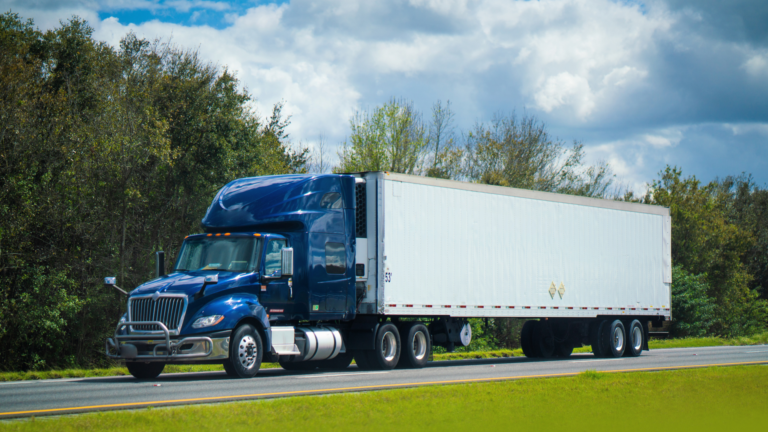
After an Ontario truck accident, you’re often left with a lot to sort out, medical care, missed work, and questions about the legal process. It’s normal to feel a little uncertain, especially when a commercial vehicle is involved and the paperwork starts to add up. The good news is, California law gives you a clear path to seek compensation for what you’ve been through, and you don’t have to navigate it alone.
At Miracle Law, our Ontario truck accident lawyers focus on making the process feel straightforward. We listen to what happened, help you make sense of the details, and work to keep your claim on track from day one. With our team on your side, you’ll have practical support for every step, from your first questions through to resolution. If you’re ready to talk about your situation or want a second opinion about your case, you can call Miracle Law at (888) 843-5290 or contact us online whenever you’re ready. We can help you protect your future after an Ontario truck accident.
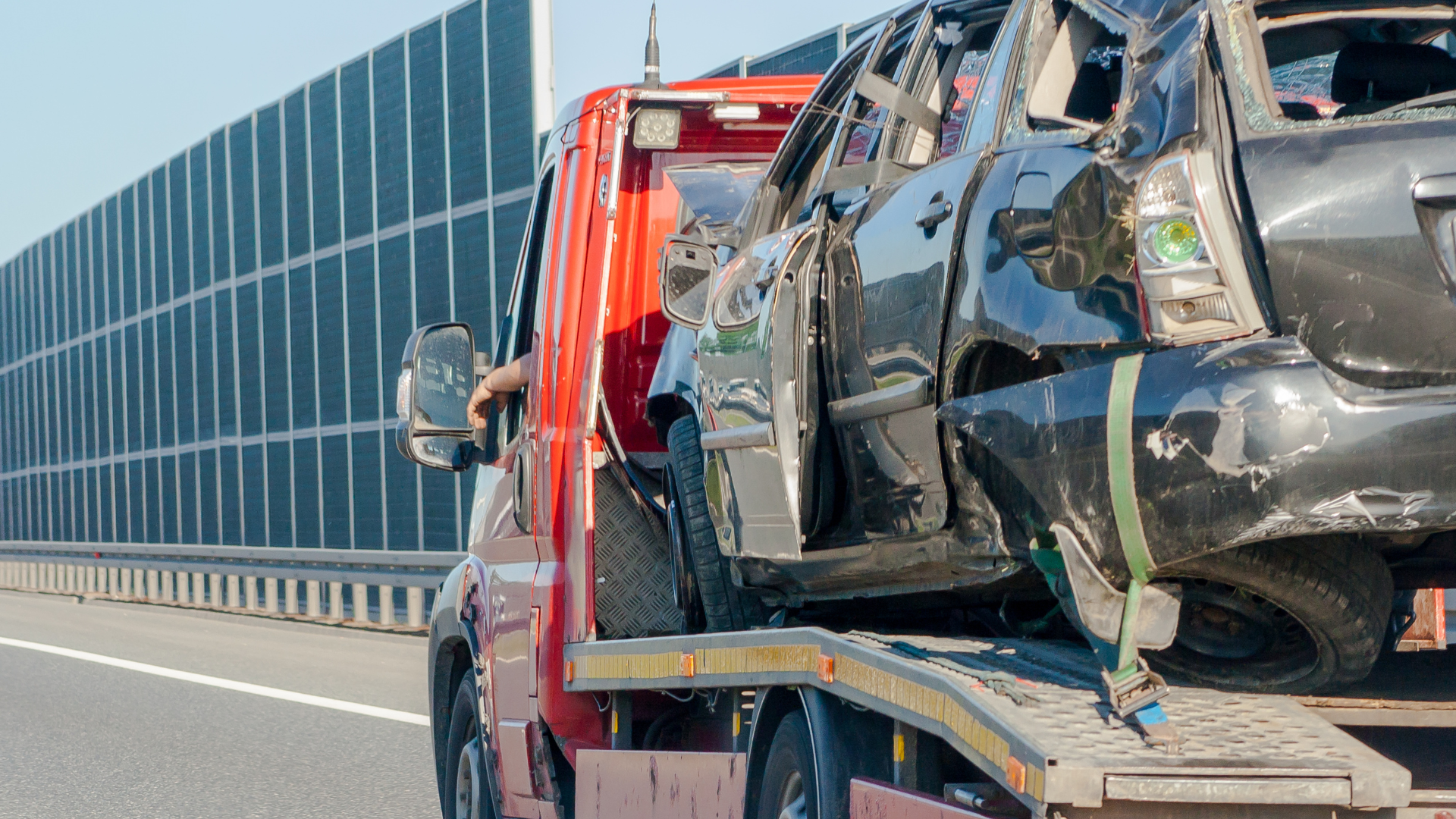
How Truck Accident Claims Differ From Car Accident Claims in Ontario, CA
Not every crash is the same, and accidents involving trucks in Ontario can bring a few extra obstacles. There are more records, a handful of companies, and rules specific to the trucking industry. But the foundation stays the same, you deserve fair treatment and a process that isn’t overwhelming.
Our attorneys help you understand what’s different and what stays familiar. Our job is to explain how trucking regulations or extra paperwork might affect your case, but also to keep the focus on your recovery and what matters to you. With the right guidance, handling a truck accident claim doesn’t have to feel like an uphill battle. We’ll walk you through what to expect and help you move forward one step at a time.
Key Legal Differences in an Ontario Truck Accident Case
The legal framework for truck cases includes the same negligence principles that apply to car crashes, but it layers in industry specific rules. Carriers and drivers must follow regulations about hours of service, inspections, and equipment, and those obligations become part of the liability analysis. A violation that might seem technical still matters when it reveals a pattern of unsafe conduct behind an Ontario truck accident.
Safety Regulations And Company Policies
Truck drivers and carriers must comply with safety regulations that cover rest, maintenance, and inspections. Company policies also shape how those rules play out on the road. When a crash occurs, we look at logs, inspection records, and internal procedures to see whether the trucking operation followed its obligations. Deviations from those standards can support an argument that the Ontario truck accident resulted from preventable choices.
Evidence Created By Commercial Operations
Commercial hauling generates records that don’t exist in ordinary car crashes. Dispatch notes, load documents, and onboard data can show how long a driver worked, how the truck moved, and whether any issues appeared before the collision. We work to secure and review these materials early so important details aren’t lost or altered as time passes after the Ontario truck accident.
Multiple Parties in Ontario Truck Crash Claims
An Ontario truck crash often involves more than just the driver and the person in the other vehicle. The carrier that employs the driver, the business that owns the trailer, and the shipper or broker behind the cargo may all play roles. Each has its own interests and insurance coverage, which can complicate both communication and settlement in an Ontario truck accident case.
Identifying All Businesses Involved With The Truck
The name on the cab doesn’t always tell the whole story. We trace registration records, freight documents, and contracts to identify everyone who had a hand in putting that truck on the road. Once we know who’s connected to the load and the route, we can evaluate which companies potentially share responsibility for the Ontario truck accident and should be notified of the claim.
Understanding How Responsibility Is Shared
Responsibility may be shared between the driver and one or more businesses. A company might have hired the driver, set the schedule, or maintained the equipment. Another might have loaded the cargo. We look at how these roles interact to build a picture of who controlled what. That analysis helps support a claim that several parties, not just the driver, should contribute to resolving your Ontario truck accident case.
Coordinating Claims With Multiple Insurers
Once we identify the parties, we also identify their insurers. Different policies may cover different aspects of the loss. We coordinate those claims so you don’t have to juggle multiple adjusters or worry about inconsistent information while you’re focused on healing.
Higher Stakes in Ontario Truck Accident Litigation
Truck accident litigation in Ontario often involves higher stakes because the injuries and potential damages can be significant. Larger policy limits, serious medical needs, and long term work effects combine to raise the financial exposure for carriers and insurers. That reality can lead to closer scrutiny of your claim and more aggressive defense strategies.
How Serious Injuries Influence Strategy
Serious injuries change the conversation about settlement and trial. Lifelong limitations, multiple surgeries, or permanent pain alter the value and risk profile of a case. We look at your medical situation and prognosis before we advise you on offers or litigation so your decisions reflect the true scale of your Ontario truck accident claim.
Preparing For The Possibility Of Trial
Most cases settle, but truck claims sometimes reach the point where trial preparation makes sense. That doesn’t mean you’ll end up in court, but it does mean we treat your case as if a judge or jury may eventually see it. We build the evidence and arguments with that in mind so negotiations reflect the strength of your Ontario truck accident case.
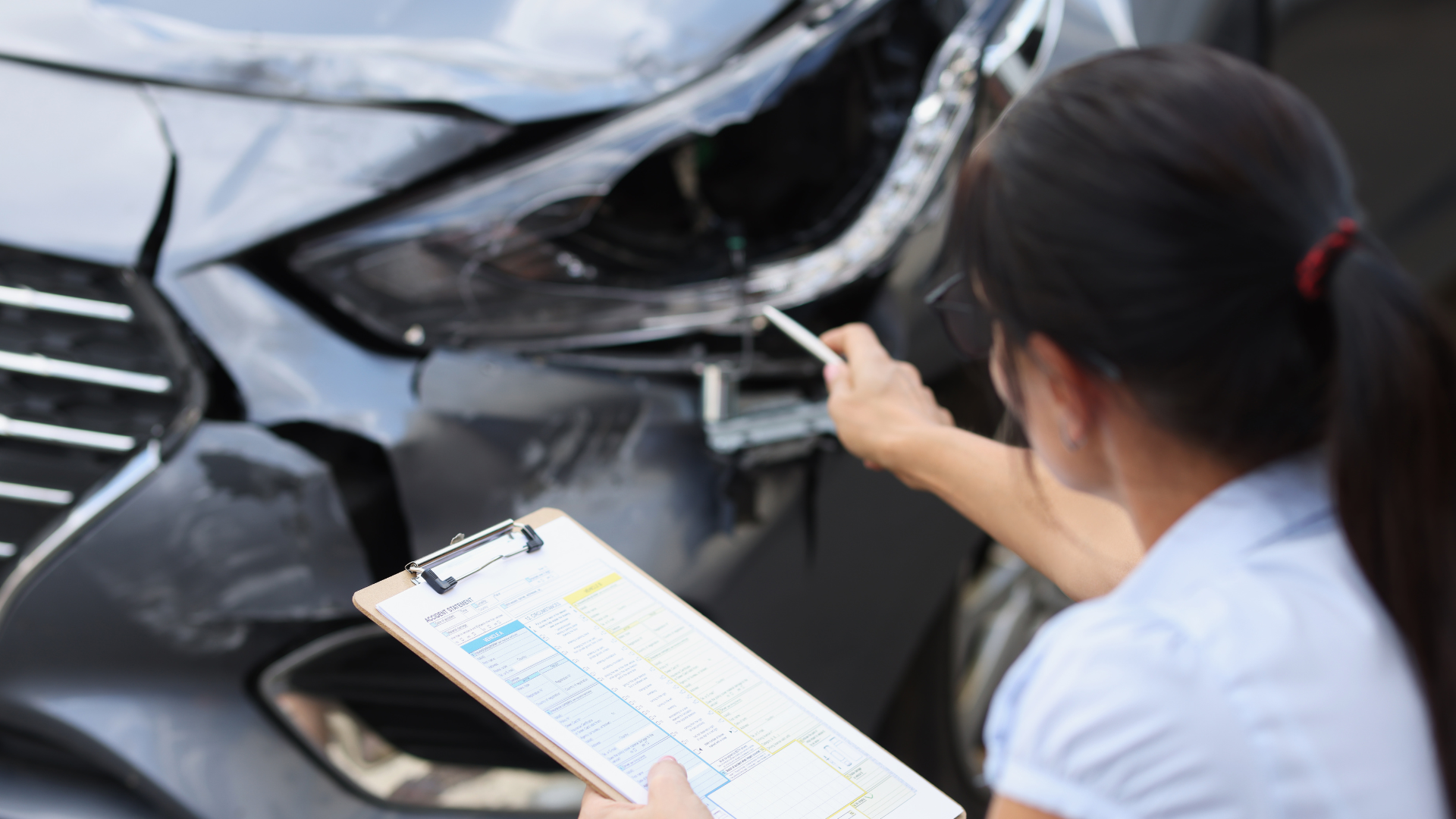
Proving Responsibility in an Ontario Truck Accident Claim
Proving responsibility in an Ontario truck accident claim involves more than pointing to the driver and saying they caused the crash. You need to show how the collision happened, which choices led to it, and how company practices contributed. That proof often comes from a mix of scene evidence, vehicle data, and internal records. When those pieces tell a consistent story, it becomes easier to hold the right parties accountable.
Miracle Law treats that proof as a central task, not an afterthought. We gather and review records, talk with witnesses, and, when appropriate, consult with experts who can help explain technical issues. The goal is to move your Ontario truck accident case from a general complaint to a supported claim that insurers and, if needed, courts must take seriously.
Reconstructing How The Crash Happened
A clear understanding of how the crash occurred sits at the heart of any truck accident case. That understanding doesn’t come from a single source. It develops by combining physical evidence, reports, and accounts from people who saw or experienced the collision. Each piece contributes to a timeline that explains how the Ontario truck crash unfolded.
Using Scene Evidence To Build A Timeline
Vehicle positions, damage patterns, skid marks, and road features all help show how the collision developed. Photos and measurements taken after the crash can illustrate angles, speeds, and reaction opportunities. We review this scene evidence carefully so we can explain not just where the vehicles ended up, but how they likely moved in the seconds leading up to impact in the Ontario truck crash.
Comparing Driver Statements And Reports
Driver statements, police reports, and witness accounts often differ in small or large ways. We compare these versions of events with each other and with the physical evidence. When an account doesn’t fit the observable facts, that inconsistency matters. Highlighting these gaps helps show why one explanation of the Ontario truck accident makes more sense than another.
Using Records To Show Negligence In Ontario Truck Cases
Records created before and during the trip can show whether the trucking operation met its responsibilities. Hours of service logs, inspection reports, maintenance records, and dispatch notes each offer clues. When these records reveal overlong shifts, skipped checks, or ignored warnings, they point toward negligence that contributed to the Ontario truck accident.
Reviewing Hours Of Service And Log Data
Hours of service rules aim to keep fatigued drivers off the road. Logs and electronic data show when a driver was on duty, driving, or resting. We analyze those records to see whether the driver stayed within the allowed limits or pushed past them. Evidence of excessive driving hours supports an argument that fatigue played a role in the Ontario truck crash.
Examining Inspection And Maintenance History
Inspection and maintenance records show how seriously a carrier treated equipment safety. Repeated issues with brakes, tires, or other systems indicate a pattern, not a one time oversight. We look at the history of the truck and trailer to see whether the company kept its vehicles in safe condition or sent them out with known risks before the Ontario truck accident.
Connecting Record Findings To The Crash
It isn’t enough to show that a record looks bad. We connect those findings to how the collision happened. If brakes were out of adjustment and stopping distance became an issue, or if a worn tire blew and caused a loss of control, that link between record and event strengthens your Ontario truck accident claim.
Handling Disputes Over Fault in Truck Accidents
Disputes over fault appear in many truck cases. Carriers and insurers may argue that another driver caused the crash, that weather or road conditions played the main role, or that you somehow could have avoided harm. Resolving those disputes means returning to the evidence and the legal standards that govern responsibility.
Responding To Alternative Explanations
Alternative explanations for an Ontario truck accident often emerge as insurers look for ways to reduce exposure. We address these theories by comparing them to the data, the scene, and common sense. If a proposed cause doesn’t fit the facts, we explain why and show how the evidence points back to the truck operation’s choices instead.
Presenting A Clear Theory Of Liability
A clear theory of liability helps people understand why certain parties should be held responsible. We set out a direct explanation of what went wrong and who controlled each decision. That clarity supports settlement discussions and, if necessary, persuades judges and juries in Ontario truck accident litigation.

Pursuing Full Compensation After an Ontario Truck Accident
Pursuing full compensation after an Ontario truck accident involves more than adding up a few immediate bills. Truck collisions can create a long arc of medical needs, work changes, and personal disruption. A fair resolution should reflect that full picture, not just the first weeks after the crash. That means looking at past, current, and expected future effects before making decisions about settlement.
Our firm works with you to understand those effects in practical terms. We review your treatment history, talk about your work situation, and listen to how your day to day life has changed. With that information, we can explain what courts and insurers usually consider in serious Ontario truck accident cases and help you evaluate what a reasonable outcome might look like for you.
Medical Treatment And Recovery After An Accident
Medical treatment forms the backbone of most truck injury claims. Hospital care, follow up visits, therapy, medications, and possible future procedures each carry costs and commitments. A settlement or judgment should account for the full course of care, not just the earliest visits after the Ontario truck crash.
Building A Complete Treatment Record
A thorough record of your treatment shows how your condition developed from the date of the Ontario truck accident to the present. Emergency care, imaging, therapy notes, and specialist reports all contribute to that record. We gather and organize these materials so they present a clear narrative about your injuries and recovery.
Considering Future Medical Needs
Some injuries require ongoing management or future procedures. Providers may anticipate additional therapy, injections, or surgeries. We consult with them about likely future care so we can factor those needs into your Ontario truck accident claim. That way, any resolution aims to support your health beyond the short term.
Income Loss And Work Changes After A Truck Crash
An Ontario truck crash can interrupt work in immediate and lasting ways. Missed shifts, reduced hours, or changes in duties all affect your income. In more serious cases, injuries alter what kind of work you can do or how long you can perform certain tasks.
Documenting Lost Wages And Job Adjustments
Pay records, time sheets, and employer statements help show how the Ontario truck accident changed your work life. We use those documents to support claims for lost wages and, when appropriate, to argue that your future earning capacity has been reduced. Clear documentation helps establish these losses without relying on rough estimates.
Evaluating Long Term Work Impact
Lasting pain, limited movement, or restrictions from your doctor may affect your role at work or your career path. We talk through these issues with you and, when needed, with experts who understand how injuries influence jobs. That evaluation informs our approach to settlement in your Ontario truck accident case.
Planning Around Work And Health Together
Work and health decisions often connect. A resolution that ignores one to focus only on the other can leave you in a difficult position. We aim to pursue outcomes that respect both your medical reality and your need to support yourself and your family.
Non Economic Harm In Truck Accident Cases
Non economic harm reflects the human side of an Ontario truck accident. Pain, loss of mobility, sleep disruption, and the loss of activities you valued all fall into this category. These effects don’t appear on invoices, but they still matter when you assess what the crash has taken from you.
Describing Changes In Your Everyday Life
Describing a typical day before and after the crash makes non economic harm easier to understand. You might explain how long it takes to get ready, how comfortable you feel driving or riding, and which tasks now require help. We tie these examples to your medical findings so they become part of your Ontario truck accident claim in a concrete way.
Explaining Non Economic Loss To Insurers And Courts
When we present non economic harm, we avoid vague phrases and focus on specific changes. We connect those changes to documented injuries so they aren’t dismissed as unrelated. That approach helps insurers and courts see that the Ontario truck accident affected more than just your bank account.
Find Out How We Can Help Your Claim
Getting help after a truck accident isn’t about making things more complicated, it’s about making the road ahead clearer. When you talk to Miracle Law, you’ll get honest answers, steady guidance, and a team who’s here to make things easier for you, not harder. We know that every claim is different, so we listen to your concerns and explain what your options are in simple terms.
If you’re wondering what your next step should be, or if you just want a clearer view of how your Ontario truck accident claim could unfold, give us a call. We’ll sit down with you, review the details, and talk through a plan that fits your needs and pace. Call Miracle Law at (888) 843-5290 or reach out online, our team is ready to help you move forward with confidence and peace of mind.