

A Rancho Cucamonga rideshare accident can turn a normal trip into a confusing and stressful situation in a matter of seconds. You might be sitting in the back seat of an Uber or Lyft when another driver crashes into you, driving for a rideshare company when someone cuts you off, or in your own car when a rideshare vehicle suddenly hits your lane. In any of these situations, you’re often left with painful injuries, a damaged vehicle, and a lot of questions about who’s responsible. Rideshare crashes can involve multiple insurance policies, questions about whether the app was on or off, and finger pointing between companies and drivers while you’re just trying to get medical care and keep up with everyday life.
Miracle Law helps you understand your rights after a collision, whether you were a passenger, driver, or hit by a rideshare in Rancho Cucamonga. Our attorneys look closely at how the crash happened, whether the rideshare driver had a passenger or was waiting for a ride request, and which insurance policies may apply to your claim. We also help you document injuries, track your losses, and pursue compensation for medical treatment, lost income, and the ways the accident has changed your daily routine. While you focus on healing and getting your schedule back on track, our firm works on the legal and insurance side of your case. If you were hurt in a Rancho Cucamonga rideshare accident and want to know what your options look like, call Miracle Law at (888) 843-5290 to speak with our team.
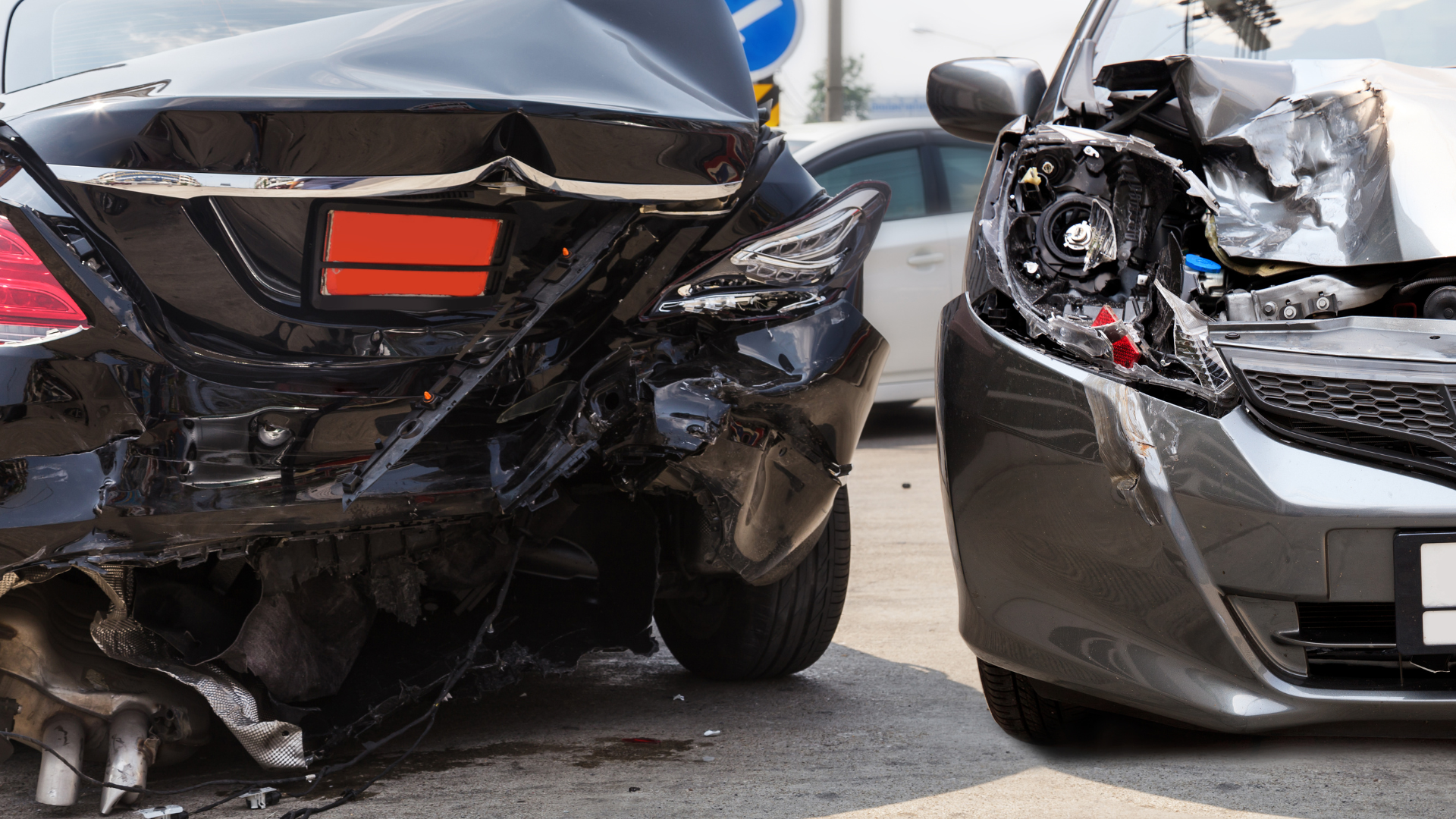
Types of Rideshare Accidents in Rancho Cucamonga
A Rancho Cucamonga rideshare accident can unfold in several different ways. You might be a passenger sitting in the back seat, a rideshare driver trying to navigate traffic, or a person in another car who suddenly gets struck by an Uber or Lyft. Each situation raises different questions about how the crash happened and what kind of coverage may apply. Understanding the common patterns can help you make sense of what went wrong and what kind of claim you may have, even before all the paperwork starts to arrive.
Miracle Law represents injured passengers, rideshare drivers, and people hit by rideshare vehicles, and we see many of the same collision types repeat themselves on local roads. Some crashes happen when a driver rushes to accept a ride, others occur while a passenger rides along with the app fully active, and some take place when a rideshare car moves through traffic like any other vehicle but still ends up in a serious collision. Knowing which category your Rancho Cucamonga rideshare accident falls into can help our attorneys identify the right insurance policies and build a clearer path forward for your claim.
Crashes Involving Injured Rideshare Passengers
Many rideshare claims start with a passenger who expected a simple trip and ended up in a serious collision. As a passenger, you don’t control how the car moves, how close it follows others, or what choices the driver makes in heavy traffic. You still face the full force of the impact, along with the confusion that comes when more than one driver may be at fault. These cases often involve questions about whether the rideshare driver caused the crash or whether another vehicle created the danger, which can affect which insurance policies apply.
Rear End And Intersection Collisions With Passengers On Board
Passenger injuries often happen in rear end crashes and intersection wrecks, where one driver follows too closely or runs a light. When a rideshare car gets hit from behind or struck while passing through a busy intersection, passengers may be thrown forward or sideways with little warning. These impacts can cause head injuries, neck strain, and back problems that don’t always show up immediately. The presence of a paying passenger usually means the rideshare app was active, which can open up additional coverage options once everyone understands who caused the collision.
Sudden Stops And Hard Braking Injuries
Not every passenger injury comes from a full collision. Sudden braking to avoid a crash can cause whiplash, seat belt injuries, or impacts with the interior of the car. If your driver followed too closely, drove distracted, or sped through traffic, those choices can still support a claim even when the vehicles never touch. These cases highlight how the driver’s decisions matter just as much as the final impact when it comes to protecting passengers.
Confusion About Which Policy Applies
Passengers often feel unsure whether to make a claim with the rideshare company, the driver’s personal insurance, or another motorist’s carrier. Sorting out coverage usually depends on what the driver was doing on the app and who actually caused the crash, which is something a law firm can help clarify.
Single Vehicle Rideshare Crashes With Passenger Injuries in Rancho Cucamonga
Sometimes a rideshare driver loses control of the vehicle without another car striking them. Wet roads, speeding, late lane changes, or distraction can all lead to a single vehicle crash that still injures the passenger. In those situations, the rideshare driver’s conduct and the status of the trip become key issues. The claim may focus on why the driver lost control and whether they could’ve prevented the crash with safer decisions, rather than on a dispute between two different motorists.
Accidents Where Rancho Cucamonga Rideshare Drivers Are Hit
Rideshare drivers spend long hours on the road, which increases their chances of getting hit by someone else who isn’t paying attention. These drivers might sit at a light waiting for riders, travel between trips, or carry passengers when another vehicle suddenly collides with them. In these cases, the rideshare driver becomes the injured person, and the question becomes which coverage helps them recover for medical bills, lost income, and vehicle damage after the Rancho Cucamonga rideshare accident.
Collisions Caused By Distracted Or Aggressive Drivers
Many rideshare drivers get hurt when another motorist looks at a phone, speeds through traffic, or changes lanes without checking blind spots. A rideshare driver can follow the rules and still get hit by someone who simply didn’t see them in time. When that happens, the driver’s status on the app, the presence of a passenger, and the other motorist’s insurance all factor into how the claim moves forward. Proving that another driver caused the crash becomes the first step in accessing the right combination of coverages.
Crashes During Pickups And Drop Offs
Some wrecks happen when a rideshare driver pulls over to pick up or drop off a passenger and another vehicle misjudges distance or fails to move over. The rideshare driver may sit partially in a lane or at the edge of the roadway, which can confuse others who aren’t paying full attention. These accidents raise questions about safe stopping, visibility, and how the other driver approached the scene, especially when traffic moved at higher speeds.
Juggling Claims As An Injured Rideshare Driver
Rideshare drivers sometimes need to navigate personal insurance, rideshare company coverage, and the other driver’s policy all at once. Understanding how each one interacts can help injured drivers avoid gaps and missed opportunities for compensation.
Being Hit While Waiting For A Ride Request
Not every crash occurs with a passenger in the car. Rideshare drivers can get hit while waiting for a ride request, driving to a pickup, or moving through town between trips. In those moments, the app status plays an important role in determining whether certain rideshare coverages turn on. The collision itself may look like any other Rancho Cucamonga car accident, but the way the driver used the app will affect how the claim develops and who ultimately pays.
Rancho Cucamonga Rideshare Accidents Involving Others
Rideshare crashes don’t only affect people inside the rideshare car. Pedestrians, bicyclists, motorcyclists, and drivers of other vehicles can all get hurt when a rideshare driver makes a dangerous move. These cases often feel confusing because victims may not know they were hit by a rideshare vehicle until later. Once that connection becomes clear, however, the presence of a rideshare app can create additional questions about how to present the claim and which company should respond.
Collisions With Other Drivers On Local Roads
Other drivers may get sideswiped, rear ended, or struck at intersections by rideshare vehicles that move unpredictably through traffic. A driver who’s searching for a passenger’s location or glancing at their phone for directions may miss a stop sign or drift across lane lines. When this behavior leads to a Rancho Cucamonga rideshare accident, injured people in other cars can pursue claims that look similar to traditional crash cases, but they may also have access to additional coverage depending on the driver’s status on the app.
Pedestrian And Cyclist Impacts
Rideshare vehicles sometimes hit pedestrians or cyclists near curbs, crosswalks, or driveways when drivers focus more on navigation than on their surroundings. A driver who watches the app for updates or tries to spot a passenger on a busy street can easily overlook a person in the crosswalk or a cyclist in the bike lane. These crashes often cause significant injuries because walkers and riders have little protection from the force of a moving car.
Identifying The Rideshare Connection
People on foot or on bikes may not realize right away that the vehicle that hit them operated as a rideshare. Later, references to the app, logos, or trip details can reveal that connection and open up different insurance options.
Rideshare Vehicles In Multi Car Pileups
Some accidents involve more than two vehicles, with a rideshare car caught somewhere in the chain. In these cases, fault can be split among several drivers, including the rideshare driver and others who followed too closely, sped, or failed to react. Untangling who contributed to the pileup and how each impact unfolded plays a major role in figuring out which policies apply and how much compensation may be available. These situations highlight the importance of identifying every party involved in a Rancho Cucamonga rideshare accident instead of focusing only on the car directly in front of you.

How Liability is Determined in Rancho Cucamonga Rideshare Accidents
Liability in a Rancho Cucamonga rideshare accident usually depends on more than one simple detail. Fault decisions often involve what each driver did before the collision, whether the rideshare app was on, and which insurance policies were active at the time. Passengers, rideshare drivers, and people in other vehicles all need clear answers about who’s responsible before they can move forward with claims for medical bills, wage loss, and other damages. When fault is evaluated with all of these factors in mind, the claim tends to move in a more focused and predictable way, instead of getting stuck in finger pointing.
How Rideshare App Status Shapes Fault And Coverage
A rideshare driver’s app status plays a central role in determining how liability and coverage work together. The law and the insurance companies look at whether the driver had the app off, had it on and waited for a ride, or actively transported or picked up a passenger. Each phase can involve different layers of insurance and different arguments about who should respond first. Understanding that status helps everyone involved in a Rancho Cucamonga rideshare accident see which policies may come into play and why.
App Off, Waiting For A Ride, And On Trip
If the app is off, the rideshare car usually counts as a personal vehicle, and the driver’s own policy sits in the front line. When the driver turns the app on and waits for a request, limited rideshare coverage can start to overlap with personal insurance even though no passenger has entered the car yet. Once the driver accepts a ride or carries a passenger, higher coverage levels often apply because the driver is actively engaged in rideshare work. This step by step structure explains why two crashes that look similar on the road can lead to very different insurance conversations.
How Trip Records And Screenshots Help Clarify Status
Trip histories, app logs, and even simple screenshots can show whether a driver waited for a request, drove to a pickup, or already had a passenger on board. That kind of proof helps confirm which phase the driver was in when the crash occurred. With a clear record of status, it becomes harder for anyone to deny that certain coverage applies, which gives injured people a more stable starting point for their claims.
When Initial Information Turns Out To Be Incomplete
Drivers and passengers often feel shaken after a collision and may not describe the app status accurately in the moment. Later access to trip data and app records can fill in those missing pieces and give the liability analysis a more reliable foundation than quick statements at the scene.
Company Responsibility Versus Individual Driver Fault
Even with app status nailed down, rideshare companies often argue that drivers act as independent contractors and that the company only has limited responsibility. Liability questions then focus on how the company set safety standards, screened drivers, and structured trips. These issues matter because company involvement can increase the available coverage and change how negotiations unfold for passengers, rideshare drivers, and people hit by rideshare vehicles who need full compensation, not partial answers.
Negligence And Shared Responsibility In Rancho Cucamonga Rideshare Collisions
Fault in a Rancho Cucamonga rideshare accident still rests on negligence, which means looking closely at the decisions that led to the crash. Investigators and insurers ask who broke traffic rules, who drove distracted, and who failed to adjust to conditions like congestion or poor visibility. In many rideshare collisions, more than one driver contributes to what happened, which can lead to shared responsibility and careful apportionment of blame between everyone involved.
Traffic Violations And Unsafe Driving Choices
Liability often starts with clear violations, such as speeding, running red lights, or failing to yield. A rideshare driver might rush through an intersection to avoid losing a fare, while another driver might change lanes without signaling or checking mirrors. Police reports, citations, and physical evidence help show whose behavior set the dangerous chain of events in motion. These details give structure to fault decisions so they reflect actual conduct on the road instead of broad assumptions about rideshare vehicles or personal cars.
Distracted Driving In A Rideshare Environment
Rideshare drivers rely on navigation apps, message alerts, and passenger instructions, which all compete for their attention while traffic continues to move. Other drivers may also glance at phones, adjust music, or handle other in car distractions. Phone records, app usage logs, and witness descriptions can show whether someone looked away at the wrong moment. That proof can make a significant difference when an insurer tries to downplay the role that distraction played in the crash.
Small Lapses That Lead To Serious Collisions
It only takes a brief distraction to miss a brake light, drift over a lane line, or roll through a crosswalk. Those small lapses feel ordinary in the moment, but when they cause a serious rideshare collision, they become central to how negligence is evaluated and how liability is assigned.
Comparative Fault In Multi Driver Rideshare Accidents
California’s comparative fault rules allow responsibility to be divided among multiple drivers. In a Rancho Cucamonga rideshare accident, an insurer might argue that the rideshare driver, another motorist, or even a third vehicle all played a role. That split can determine how much each insurance company pays and how much compensation injured people ultimately receive. Careful analysis of speed, spacing, reaction time, and road conditions helps keep fault assignments fair instead of allowing blame to shift toward whoever seems easiest to target.
Chain Reaction Impacts And Layered Responsibility
In rear end sequences or multi car pileups, a rideshare vehicle might sit in the middle of a chain of impacts. Sorting out who started the sequence, who followed too closely, and who had no chance to avoid the crash helps align responsibility with real world behavior. This kind of layered review prevents one driver from carrying more than their fair share of fault when several people contributed to the danger.
Evidence Used To Decide Who Pays After A Rancho Cucamonga Rideshare Crash
Liability decisions rely on evidence that shows what really happened, not just on the stories drivers tell. In a Rancho Cucamonga rideshare accident, that evidence often includes digital records, physical proof, and witness accounts that together create a detailed picture of the collision. The stronger and more consistent that picture becomes, the less room insurers have to dispute fault or deny responsibility for paying full compensation.
Digital Data, GPS Information, And Vehicle Technology
Rideshare apps track routes, pickup and drop off points, and timing for each leg of a trip. Many vehicles also store speed and braking information in internal systems. When analyzed together, these digital records can reveal whether a driver accelerated, slowed late, or remained stopped when the impact occurred. That level of detail helps resolve conflicting stories about who moved first or who had the right of way, especially when memories blur and each driver sees the moment differently.
Protecting Electronic Evidence Early
Some digital records don’t stay available forever or may be overwritten as time passes. Prompt requests to preserve app data, trip logs, and vehicle information help keep key evidence from disappearing. That protection supports a more accurate liability analysis and gives injured people a fair chance to prove how the crash really unfolded.
Photos, Witnesses, And Official Reports
Photos taken at the scene can capture vehicle positions, road markings, and damage patterns that later help reconstruct the collision. Witnesses may describe signal timing, traffic flow, or unusual behavior they noticed from a rideshare driver or another motorist. Police reports add officer observations and note any citations. When these traditional forms of evidence line up with the digital record and your own description of the Rancho Cucamonga rideshare accident, they create a strong liability picture that’s much harder for insurers to dispute, which can make the path toward fair compensation clearer for everyone involved.

Types of Compensation Available in Rancho Cucamonga Rideshare Accident Claims
Compensation after a Rancho Cucamonga rideshare accident should reflect more than the first few bills that arrive in the mail. Whether you were a passenger, a rideshare driver, or someone hit by an Uber or Lyft, the crash can affect your health, income, and daily life in ways that last long after the vehicles leave the scene. A strong claim looks at both the financial losses you can document and the personal impact that doesn’t always show up on a receipt. When you understand what types of damages may be available, you’re in a better position to recognize low offers and push for a resolution that actually supports your recovery.
Medical Expenses And Treatment Related Compensation
Medical compensation usually sits at the center of a Rancho Cucamonga rideshare accident claim. Even a “minor” crash can lead to emergency room care, imaging, and follow up visits that quickly add up. More serious collisions may require surgery, long term therapy, or ongoing pain management. The goal isn’t just to cover what you’ve already paid, but to account for the reasonable cost of treatment you’ll need as you heal and adjust.
Emergency Care, Hospital Visits, And Diagnostic Testing
Right after a rideshare crash, many people head to the emergency room or an urgent care clinic. Those first evaluations often include imaging, lab work, and initial treatment that create a significant portion of early medical costs. Records from these visits also tie your symptoms to the date of the wreck, which can matter later when insurers question what caused your injuries. When your claim includes these bills and the underlying records, it helps show that you took your health seriously from the start and didn’t wait for pain to get worse before seeking help.
Follow Up Treatment, Therapy, And Specialist Care
Recovery rarely ends after the first appointment. You may need follow up visits with your primary doctor, physical therapy, chiropractic care, or consultations with specialists like orthopedists or neurologists. These providers help manage pain, rebuild strength, and monitor long term progress. Their notes can show that you stayed engaged in treatment and that your symptoms didn’t resolve quickly. Compensation in a Rancho Cucamonga rideshare accident claim can include these ongoing costs so you’re not left choosing between necessary care and your budget.
Future Medical Needs And Long Term Recovery Costs
Sometimes doctors expect that you’ll need future injections, additional imaging, or periodic follow up even after your main course of treatment ends. Your claim can account for those likely expenses instead of focusing only on what you’ve already paid. When providers outline future care in their records, it gives a clearer picture of what a fair settlement should cover over time, not just in the first few months after the crash.
Medication, Medical Equipment, And Transportation
Prescriptions, braces, mobility aids, and regular trips to appointments can quietly increase the total cost of recovery. These expenses may seem small individually, but together they can strain your finances if they’re not included in the final calculation.
Income Losses And Work Related Damages
A serious rideshare crash doesn’t just interrupt your health, it can interrupt your ability to earn a living. You might miss a few days for initial treatment, take extended time off for surgery, or return to work with restrictions that limit what you can do. Compensation in a Rancho Cucamonga rideshare accident claim can address both the wages you’ve already lost and the ways your earning capacity may change in the future.
Lost Wages And Time Away From Work
Lost wage damages cover income you didn’t receive because your injuries kept you from working. That can include full days off, partial days, and time missed for therapy or follow up appointments. Pay stubs, timesheets, and employer letters can help show what you would’ve earned if the rideshare accident hadn’t happened. When those records line up with your medical timeline, it becomes easier to show that the lost income flowed directly from the crash and wasn’t just a normal fluctuation.
Overtime, Tips, And Irregular Income
Some people rely on overtime, tips, or variable hours to make ends meet. If you drive for a rideshare company yourself, your earnings may change week to week based on demand. A claim can still account for these losses by looking at your typical pattern before the collision. Bank statements, trip histories, and prior pay records can help create a realistic picture of what you likely would’ve earned. That way, the claim doesn’t treat your income as if it were fixed when your actual experience tells a different story.
Reduced Earning Capacity And Career Impact
In more serious cases, injuries can affect what kind of work you can perform or how many hours you can tolerate. You might need lighter duties, shorter shifts, or a different role that pays less. These changes can create long term financial consequences that go beyond a temporary absence. Compensation for reduced earning capacity looks at how your Rancho Cucamonga rideshare accident altered your ability to stay in your chosen field or advance in your career, which can make a real difference over the span of several years.
Rideshare Drivers Facing Long Term Limits
If you drove for a rideshare company at the time of the crash, lasting pain or mobility issues can make extended driving difficult or unsafe. That change can cut off a key income source and push you to search for new work. Claims for injured rideshare drivers can reflect that shift so the settlement acknowledges the broader impact on your financial life, not just a short break from the app.
Non Economic Damages And Other Losses
Not every consequence of a Rancho Cucamonga rideshare accident fits neatly into a bill or paycheck. Pain, emotional distress, and changes to your daily routine also matter when you’re trying to move forward. These non economic damages recognize that an injury affects your life in more ways than the numbers on a spreadsheet can capture.
Pain, Discomfort, And Loss Of Enjoyment
Physical pain can make routine tasks slower, more exhausting, or simply impossible on bad days. You might give up activities you once enjoyed, avoid long drives, or struggle with household chores that used to feel simple. Non economic compensation can address this loss of comfort and enjoyment. When you describe how your injuries changed weekends with family, hobbies, or exercise, you help show why the crash affected more than just your schedule.
Emotional Distress And Anxiety After A Crash
After a serious collision, it’s common to feel anxious in traffic, tense as a passenger, or on edge when you hear sudden braking or horns. Sleep problems, irritability, and ongoing worry about finances can also follow. These emotional effects can interfere with relationships and your sense of stability. When documented and connected to the rideshare crash, they can support additional compensation that reflects the full emotional weight of what you’ve been through.
Property Damage And Out Of Pocket Costs
Vehicle repairs, totaled cars, and damaged personal items all add to the aftermath of a rideshare collision. Even if you weren’t driving, you might lose or damage a phone, laptop, glasses, or other items during the impact. Out of pocket costs can also include towing, rental cars, or rides you needed while your car sat in the shop. Including these losses in your claim helps ensure you’re not quietly absorbing expenses that belong in the overall calculation.
How These Damages Fit Together In A Claim
Each category of compensation supports the others. Medical costs show the physical side of the injury, income losses show the financial strain, and non economic damages show how your life feels different now. When they all appear together in a Rancho Cucamonga rideshare accident claim, they create a more complete picture of what the crash truly cost, which gives you a stronger basis to pursue a settlement that matches your real experience rather than a number that only covers part of the story.

How Our Lawyers Help Your Rancho Cucamonga Rideshare Accident Case
A Rancho Cucamonga rideshare accident can leave you facing more than just physical pain. You might have questions about which insurance policy applies, whether the driver was “on the app,” and how to prove what really happened in the moments before the crash. Injured passengers, rideshare drivers, and people hit by rideshare vehicles all face slightly different challenges, but they share one common need: clear guidance from someone who understands how these cases work. Our lawyers step in to investigate fault, manage communication, and build a claim that reflects the full impact of the collision on your life, not just the damage to the vehicles.
Investigating How Your Rancho Cucamonga Rideshare Crash Happened
A strong case starts with a careful look at how the collision occurred. Our attorneys focus on more than just the police report or what drivers said at the scene. We look at where each vehicle was, what traffic conditions looked like, and how the rideshare driver used the app around the time of the crash. When we combine those details, we can explain the Rancho Cucamonga rideshare accident in a way that feels grounded and credible, which helps you push back when insurers try to shift blame.
Gathering Proof From The Scene And The Vehicles
Our firm works to secure photos, videos, and physical evidence before those details fade. Pictures of the intersection, skid marks, and vehicle positions can show who had the right of way or who drifted into another lane. Damage to your car, the rideshare vehicle, or your personal items can also tell a story about speed and direction. We use this information to build a timeline that matches your memory and helps explain why the crash unfolded the way it did, instead of leaving space for the other side to fill in the gaps with assumptions.
Locating Witnesses And Additional Video
Witnesses often notice things that drivers and passengers miss in the confusion. Our lawyers look for people who saw the crash, as well as any nearby cameras that might have captured the impact. That can include store cameras, residential systems, or dash cams. When we find footage or strong witness statements that support your account, it becomes much harder for the insurance company to push a version of events that doesn’t match what really happened.
Preserving Evidence Before It Disappears
Evidence doesn’t stay available forever. Vehicles get repaired, businesses overwrite footage, and people move or change numbers. Acting quickly to preserve these pieces gives your Rancho Cucamonga rideshare accident claim a stronger base and keeps your case from depending solely on conflicting driver stories.
Clarifying App Status And Insurance Layers
Liability in rideshare cases often depends on whether the driver had the app off, waited for a ride request, or carried a passenger. Our attorneys obtain trip records and app data to see which phase applied at the time of the collision. That information helps identify which insurance policies sit on the front line, whether it’s the driver’s personal coverage, the rideshare company’s policy, or a mix of both. With that clarity, we can direct your claim to the right place instead of letting it bounce between carriers.
Protecting Your Claim Throughout The Process
Once the investigation starts, our job shifts to making sure your claim stays protected while you focus on recovery. That means handling insurance communication, helping you document treatment, and keeping an eye on deadlines that could affect your rights. A Rancho Cucamonga rideshare accident claim can stretch over months, so having someone manage the legal side can make the process feel more manageable and less overwhelming.
Handling Insurance Adjusters So You Don’t Have To
Insurance adjusters know how to ask questions in ways that protect their company. They may request recorded statements or broad medical authorizations that don’t help you. Our lawyers step in as the main point of contact so you don’t have to worry about saying something that could be misunderstood. We provide updates and records when they genuinely add clarity, and we push back when requests go beyond what’s reasonable. This approach keeps the focus on fair evaluation rather than on attempts to minimize your injuries.
Helping You Document Treatment And Daily Impact
We encourage clients to follow through with medical care and to keep notes on how injuries affect everyday activities. Our firm then helps organize those records and observations so they support the claim in a clear way. When your treatment timeline, provider notes, and personal documentation all point in the same direction, it becomes easier to show what the Rancho Cucamonga rideshare accident has actually done to your health and routine.
Tracking Deadlines And Legal Requirements
Every case follows its own timeline, but the law still imposes strict filing deadlines. Our attorneys track these dates from the beginning and make sure the claim moves forward in time to protect your right to file a lawsuit if needed. We also handle the forms, notices, and legal steps that must happen along the way, whether your case involves a standard claim, a rideshare company, or even a government entity. That structure lets you focus on healing instead of worrying that a missed date might close the door on your case.
Adjusting Strategy As Your Rancho Cucamonga Rideshare Accident Case Develops
As new information appears, such as updated medical opinions or changes in your work ability, we revisit your case strategy. Sometimes that means gathering additional documentation, sometimes it means preparing for a different type of negotiation. Treating your case as a living file instead of a static snapshot helps make sure the claim stays accurate and responsive to what you’re actually going through.
Positioning Your Case For A Fair Resolution
The work our lawyers do behind the scenes sets your case up for a fair outcome, whether it settles through negotiation, mediation, or in litigation. A Rancho Cucamonga rideshare accident claim shouldn’t end with a number that only reflects early bills and quick estimates. It should reflect your full recovery journey, including how long you’ve been dealing with pain, how your income has changed, and what your future looks like after the crash.
Calculating Damages With Your Future In Mind
We look at medical costs, lost wages, and other expenses, but we also consider future treatment needs and potential changes to your earning capacity. Our attorneys review provider recommendations, discuss how your injuries affect your job, and examine how the crash changed your daily life. That information guides us when we calculate a fair settlement range. Instead of relying on generic formulas, we focus on how the collision has affected you personally so the numbers better match your reality.
Preparing For Negotiations, Mediation, Or Court
Not every Rancho Cucamonga rideshare accident claim follows the same path. Some resolve through direct negotiation, others benefit from mediation, and a few need to move into litigation. Our firm prepares your case with each of these possibilities in mind. We organize evidence, outline your story clearly, and anticipate the arguments insurers will make. This preparation helps us advocate for you in any setting, whether we’re discussing settlement numbers or explaining your case to a judge or jury.
Helping You Decide When A Settlement Makes Sense
At the end of the day, the decision to accept or reject an offer belongs to you. Our lawyers walk through the strengths and risks of each option, compare offers to your documented losses, and talk honestly about how a settlement would affect your future. With that guidance, you can choose a resolution that fits your needs and gives you a sense of stability as you move forward from your Rancho Cucamonga rideshare accident, instead of feeling like you agreed to something you didn’t fully understand.

Reach Out to Miracle Law About Your Case Today
If you were hurt in a Rancho Cucamonga rideshare accident as a passenger, a driver, or a third party, you don’t have to sort everything out on your own. It can feel intimidating to deal with multiple insurance companies, app status questions, and a confusing mix of stories about who caused the crash while you’re still in pain and trying to keep up with work and family responsibilities. Sitting down with a legal team that understands how rideshare claims work can give you a clearer picture of what to expect and what steps will actually protect your rights, instead of leaving you to guess your way through the process.
At Miracle Law, our attorneys take the time to listen to what happened, review the details of your rideshare trip, and explain how liability and insurance coverage may apply in your situation. We focus on building a claim that reflects your injuries, your lost income, and the ways your daily life has changed since the collision, so you’re not pushed toward a quick settlement that ignores what you’re still going through. While you focus on your medical care and getting your routine back, our firm handles the legal and insurance issues in the background. If you were involved in a Rancho Cucamonga rideshare accident and want to talk about your options, call Miracle Law at (888) 843-5290 or reach out online to connect with our team and take the next step toward moving forward.