
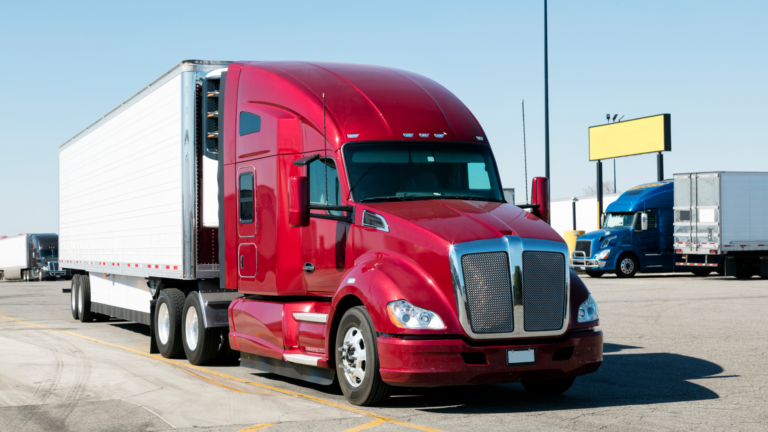
A Rancho Cucamonga truck accident can leave victims facing far more than immediate injuries. Crashes involving commercial trucks often result in severe damage, long recovery periods, and complicated legal questions about fault and responsibility. These accidents happen in many ways, from highway crashes involving delivery trucks to local roadway collisions with tractor trailers and construction vehicles. Each scenario raises different issues, and the steps that follow can depend on how the crash occurred, who was involved, and how the trucking operation was structured. Understanding the nature of the accident and the factors that led to it plays a major role in how a claim moves forward.
Truck accident claims also tend to follow a different path than standard injury cases. Investigations often take longer, evidence may involve multiple parties, and damages can extend well beyond initial medical bills. Lost income, future care needs, and the long term impact of serious injuries all need to be evaluated carefully before any settlement discussions begin. At Miracle Law, we help injured individuals navigate each phase of the process, from identifying how the accident happened to calculating damages and negotiating with insurance carriers. If you were injured in a Rancho Cucamonga truck accident and want to understand what your case may involve, call (888) 843-5290 to speak with our team. We’re here to help you move through the legal process as seamlessly as possible so you can focus on your health and recover.
Common Accidents Seen in Rancho Cucamonga Truck Accident Claims
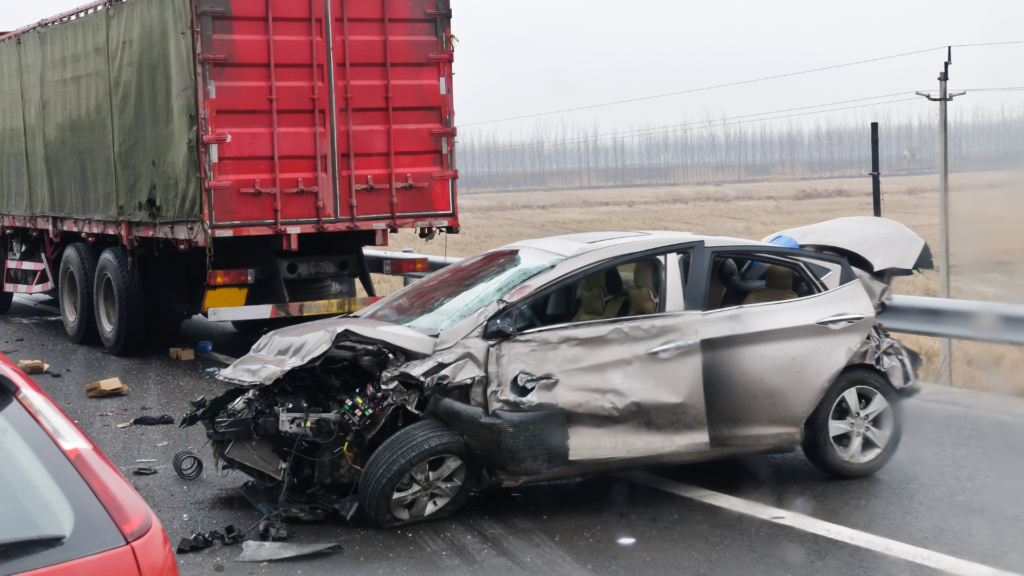
A Rancho Cucamonga truck accident can happen in seconds, but the consequences often last for months or much longer. Commercial truck collisions tend to involve heavier vehicles, wider blind spots, longer stopping distances, and tighter delivery schedules, all of which can increase the risk of serious harm. The type of collision matters because it often points to what went wrong, who contributed to the crash, and what evidence can help prove fault.
At Miracle Law, we see how quickly a trucking case can become complicated when multiple parties get involved. Trucking companies and insurers often investigate immediately, and they may try to frame the crash in a way that reduces their responsibility. When you can recognize the patterns behind a commercial truck wreck, you can better protect your claim and avoid assumptions that lead to undervalued settlements.
Rear End Truck Collisions And Sudden Stop Crashes
Rear end truck collisions often cause severe injuries because the force of impact increases when a commercial vehicle strikes a smaller car. These crashes happen when a truck follows too closely, misjudges traffic flow, or fails to slow down in time. Even at lower speeds, a truck’s weight can cause catastrophic damage, especially if the car in front absorbs the full impact. Insurance companies sometimes argue that the smaller vehicle stopped suddenly, but the investigation often reveals that the truck driver failed to maintain a safe stopping distance. A careful review of how the crash unfolded usually becomes the key to proving liability.
Following Distance And Driver Attention Issues
Truck drivers need more time and space to stop, especially when they drive fully loaded vehicles. When a driver follows too closely, even a routine slowdown can turn into a violent collision. Distraction also plays a major role, particularly when a driver looks at a phone, a GPS device, or in cab paperwork. A Rancho Cucamonga truck accident case often becomes stronger when evidence shows a pattern of inattention or unsafe driving habits. When the truck driver’s choices create the danger, the claim should reflect the full consequences of that risk.
Why Traffic Patterns Matter In Rear End Truck Crashes
Traffic conditions can change fast, especially near major intersections and congested routes. A truck driver who ignores traffic flow or drives aggressively often leaves no room for error. When a crash happens, the timing of brake lights, lane movement, and speed changes can help explain why the truck driver failed to stop. This information can also show whether the driver reacted too late or never reacted at all. Those details often become central to proving fault.
How Event Data Can Clarify Timing
Some trucks record braking, speed, and engine activity around the time of a crash. That data can help confirm whether the driver braked, how fast the truck traveled, and whether the impact occurred after a delayed response. When the data matches physical evidence, it can limit the insurer’s ability to dispute what happened.
Brake Failure And Maintenance Related Rear End Collisions
Some rear end crashes involve brake problems that maintenance teams should have addressed earlier. Worn brake pads, air brake issues, and delayed repairs can turn a preventable situation into a serious truck wreck. These cases often raise questions about inspection schedules, repair records, and whether the trucking company pushed the vehicle onto the road despite known problems. A collision tied to maintenance failures may involve additional responsible parties beyond the driver. Identifying those issues early can help protect the value of the claim.
Wide Turns, Sideswipes, And Blind Spot Accidents
Many truck accidents happen when large vehicles change lanes or turn without accounting for their blind spots. Tractor trailers and other commercial trucks require extra space, and drivers often struggle to see smaller vehicles alongside them. A truck can sideswipe a car during a lane change, force a vehicle off the road, or collide during a wide right turn. These crashes can happen without a clear head on impact, but they still cause significant injuries and property damage. A Rancho Cucamonga commercial truck collision often turns on whether the driver checked mirrors properly and signaled with enough time.
Lane Change Crashes And No Zone Visibility
Blind spot accidents often happen when a driver drifts into another lane or merges without a clear view. Smaller vehicles can sit beside a trailer where the driver cannot see them, especially if the driver fails to use mirrors properly or doesn’t take time to confirm the lane is clear. These crashes can cause spin outs, secondary impacts, and rollover risks for passenger vehicles. When a truck moves unpredictably, drivers nearby may have no safe escape route. A strong claim often focuses on visibility, signaling, and the truck’s lane position before impact.
Wide Right Turns And Corner Squeeze Impacts
Trucks often swing wide to make right turns, and that movement can trap a vehicle between the truck and the curb. These crashes commonly happen at intersections and on local streets where turning space feels limited. A driver may assume the truck will stay in its lane, then the trailer swings and closes the gap. Injuries can be severe because the smaller vehicle absorbs force while losing space to maneuver. Liability often depends on how the truck approached the turn and whether the driver checked for nearby vehicles.
How Road Design Can Contribute To These Crashes
Some streets create tighter turn radiuses and less room for safe truck movement. When a driver turns too quickly or misjudges spacing, road design can magnify the danger. That doesn’t excuse unsafe driving, but it can help explain why the crash occurred where it did. An investigation can also show whether signage, lane markings, or visibility issues played a role. These details can strengthen a claim when the insurer tries to oversimplify the cause.
Why Photos Help Show Lane Position
Photos taken soon after the crash can capture where vehicles stopped and how the truck sat in relation to the lane. Those visuals can help show whether the truck encroached into another lane or turned too wide. When photos match witness accounts, they often become harder for insurers to challenge.
High Impact Highway Collisions And Underride Risks
Highway truck crashes often lead to the most serious injuries because speed and weight combine to create overwhelming force. A Rancho Cucamonga truck accident on a faster roadway can involve sudden traffic slowdowns, unsafe lane changes, or trucks losing control in heavy flow. These crashes frequently cause multi vehicle pileups, violent rollovers, and severe trauma for occupants of smaller cars. They also raise the risk of underride, where a smaller vehicle slides under a trailer during impact. These cases require careful investigation because insurers often move quickly to limit liability.
Jackknife Accidents And Loss Of Control Events
A jackknife crash happens when a trailer swings out and forms an angle with the cab, often after hard braking or traction loss. These accidents can block multiple lanes and lead to secondary collisions. Weather, road conditions, speeding, and driver error can all contribute to loss of control. A trucking company may argue that conditions caused the crash, but liability often comes back to driving decisions and training. When a truck loses control, it can create danger for everyone nearby.
Underride Collisions And Trailer Safety Issues
Underride crashes can cause devastating injuries because the trailer structure can intrude into the passenger compartment. Safety equipment like underride guards plays an important role in reducing severity, but equipment failures still occur. These cases can involve questions about trailer design, maintenance, and whether safety components met required standards. They can also involve multiple responsible parties, including the trucking company and equipment providers. The goal is to identify what allowed the underride to happen and who had the duty to prevent it.
Why These Cases Often Involve Multiple Defendants
High impact truck collisions often involve more than one cause, including driver conduct, company policies, and equipment condition. A driver may make an error, but a company may also contribute through unrealistic scheduling, poor training, or skipped maintenance. When multiple parties share responsibility, the case can expand beyond a simple insurance claim. A thorough approach helps ensure the claim doesn’t stop at the most obvious target. It also helps injured victims pursue compensation that reflects the full scope of harm.
How Early Evidence Preservation Strengthens The Claim
Highway crash evidence can disappear quickly as vehicles get moved and debris gets cleared. Early preservation helps protect photos, witness accounts, and truck related records that explain what happened. When you act fast, you reduce the chance that critical information gets lost. That preparation often makes negotiations more balanced and less vulnerable to blame shifting.

Typical Rancho Cucamonga Truck Accident Claim Timelines
A Rancho Cucamonga truck accident claim rarely moves in a straight line, especially when injuries require ongoing care and more than one party may share responsibility. Some cases resolve in a matter of months, while others take longer because they involve extensive medical treatment, complex investigations, or stubborn insurance disputes. The timeline usually depends on how quickly you stabilize medically, how clear liability appears, and how much evidence the trucking company controls. When you understand what happens at each stage, you can make better decisions and avoid feeling pressured into a quick settlement before you know the full impact of the crash.
The Early Stages After A Rancho Cucamonga Truck Accident
The first stage often focuses on your health and on preserving key details before they disappear. Trucking companies and insurers may start working immediately, which can create a sense of urgency even while you’re still processing what happened. Medical records, crash scene documentation, and early witness information often shape the direction of the claim. This stage also sets the tone for how the insurer treats the case, especially when you establish that you take your injuries seriously and you plan to protect your rights. A strong foundation early on can prevent unnecessary delays later.
Medical Evaluation And Initial Documentation
Early medical care supports both recovery and the credibility of your claim. Providers can document symptoms that don’t show up in photos, including headaches, dizziness, numbness, and back pain. Follow up appointments matter because they confirm whether symptoms persist and whether treatment needs change. When you delay care or stop treatment too soon, insurers often argue that the crash didn’t cause serious harm. Clear records help connect the injury to the collision and support the timeline of what you experienced.
Evidence Preservation And Trucking Records
Truck accident cases often rely on evidence that the trucking company controls. Driver logs, maintenance records, dispatch details, and onboard data may all play a role in showing what happened. Some of this information can become harder to obtain as time passes, especially if no one requests it quickly. Photos from the scene, witness statements, and the condition of the vehicles can also change fast once towing and repairs begin. Preserving evidence early can strengthen the claim and reduce the chance that the insurer disputes fault without a factual basis.
Insurance Contact And Early Communication Risks
Insurance adjusters may call quickly and ask questions that seem routine. They may request recorded statements, broad authorizations, or quick confirmations about how you feel. These early conversations can shape the insurer’s position, especially if you make comments that they later use to downplay injuries or shift blame. You can protect your timeline by keeping communication careful and by focusing on recovery and documentation first. When you slow down the process in a strategic way, you often avoid problems that can add months to a claim.
Why Early Legal Support Can Keep Things Organized
When you involve legal help early, you can reduce confusion and keep records in one place. An attorney can also help manage insurance contact so you don’t feel pressured into quick decisions. This approach often creates a more predictable timeline. It can also prevent the insurer from using delay tactics while you try to figure out the process on your own.
The Investigation And Medical Treatment Phase
After the immediate aftermath, the claim usually enters a period where treatment continues and the investigation becomes more detailed. This stage can take time because serious injuries often require physical therapy, specialist care, or multiple diagnostic steps. Truck accident investigations can also require deeper review of records, vehicle damage, and witness accounts. The timeline often depends on how quickly information becomes available and how clearly it supports liability. Strong documentation during this phase can lead to more productive settlement discussions later.
Ongoing Treatment And Recovery Milestones
Many people can’t evaluate a claim value until they understand the full scope of their injuries. Treatment often evolves, especially when pain persists or doctors discover additional problems. You may go through therapy, injections, or specialist referrals, and that process can take months. This timeline matters because settling too early can leave you without coverage for future care. When you reach a stable point in treatment, the claim can move forward with a clearer picture of what recovery actually requires.
Rancho Cucamonga Truck Accident Liability Development And Multiple Parties
A Rancho Cucamonga truck accident can involve more than just the driver. Liability may involve the trucking company, a maintenance provider, a cargo loader, or another contractor connected to the operation. Identifying each responsible party can take time, especially if records conflict or insurers deny involvement. As the investigation develops, the claim may expand to include additional insurance policies and additional negotiations. While this can extend the timeline, it can also increase the chance of full compensation when more than one party contributed to the crash.
Claim Valuation Before A Demand Goes Out
Before a serious trucking claim enters full negotiation, the case usually needs a clear valuation based on medical costs, lost income, and daily limitations. This step requires collecting records, reviewing treatment progress, and calculating what the crash changed in your life. Insurers often push for early numbers because they want a quick settlement while the damages still look uncertain. A realistic valuation helps prevent low offers from setting the tone. At Miracle Law, we focus on building a clear damages picture before pushing the case into settlement discussions.
Why Rushing Can Create Long Term Problems
A rushed settlement may feel like relief, but it can create financial strain if you need additional treatment later. Once you sign, you usually can’t reopen the claim. Waiting for the right medical and documentation milestones can protect you. It also strengthens negotiations because the insurer sees a more complete case.
Negotiation, Settlement, And When A Rancho Cucamonga Truck Accident Case Takes Longer
Once treatment stabilizes and the investigation supports liability, the claim often shifts into negotiation. This stage can move quickly when the insurer recognizes strong proof and clear damages. It can also drag on when the insurer disputes fault, questions treatment, or tries to reduce payment through delay. A Rancho Cucamonga truck accident claim may also take longer when it involves severe injuries, multiple defendants, or complex insurance coverage. Knowing what can slow a case down can help you stay patient and focused on the right steps.
Demand Review And Back And Forth Negotiations
After a demand goes out, the insurer typically reviews the documentation and responds with questions or an offer. Negotiations often involve multiple rounds because insurers start low and test whether you will accept less than your claim is worth. The timeline depends on how quickly each side exchanges information and how firmly the insurer disputes key issues. When your documentation stays organized and consistent, you reduce unnecessary delays. Clear evidence also increases the pressure on the insurer to negotiate in a more realistic way.
Filing A Lawsuit When Settlement Stalls
Some cases require litigation because the insurer refuses fair compensation or denies responsibility. Filing a lawsuit doesn’t always mean a trial will happen, but it does create structure and deadlines that can move the case forward. Litigation can extend the overall timeline because it includes formal discovery, depositions, and expert review when needed. It can also encourage meaningful settlement talks when the insurer faces the risk of losing in court. The decision to file usually depends on the facts, the strength of liability evidence, and the insurer’s behavior.
Mediation And Settlement Conferences
Many truck accident cases resolve through mediation or structured settlement discussions. These settings give both sides a chance to review the strongest evidence and talk numbers with guidance from a neutral professional. Mediation can shorten the timeline when the insurer needs a clearer picture of trial risk. It can also help cases resolve without the stress of court. When mediation works, it often brings closure faster than waiting for a trial date.
Why Patience Still Matters In Serious Injury Claims
Severe injuries often take time to understand, treat, and document. That reality can slow the claim, but it also protects you from settling before you know what you will need. A careful timeline can lead to a stronger result than a quick payout that ignores long term consequences. The goal is to move forward steadily without sacrificing the value of the case.

Calculating Damages in a Rancho Cucamonga Truck Accident Case
Damages in a Rancho Cucamonga truck accident case should reflect what the crash took from you, not just what appears on the first bills. A fair calculation starts with medical records and income proof, then it considers the daily limits that don’t come with receipts. Truck collisions often cause serious injuries, long treatment plans, and time away from work that adds pressure fast. Insurance companies may push quick numbers, but rushed math can leave you paying later.
Medical Losses That Reflect Your Full Expenses
Medical damages cover the care you already received and the care you will likely need as you recover. A truck crash can create symptoms that take time to diagnose, so the treatment timeline matters. The goal is to connect symptoms, testing, and provider recommendations to the collision clearly. When records stay consistent, insurers have less room to argue that care was unnecessary. A strong medical damages picture also protects you from settling before you understand the full cost of treatment.
Emergency Care, Testing, And Early Follow Up
Emergency care often includes ambulance transport, an ER evaluation, imaging, and initial treatment that creates major costs quickly. Those records also document symptoms close to the crash, which helps confirm the injury timeline. Follow up appointments can reveal injuries that didn’t show up right away, including soft tissue damage and nerve pain. If a provider orders additional testing, those notes support both the medical need and the expense. Clear early documentation strengthens a Rancho Cucamonga truck accident claim from the beginning.
Rehabilitation, Specialists, And Ongoing Support
Rehabilitation can include physical therapy and other services meant to restore strength and mobility. Many people also need orthopedic follow up, injections, or assistive devices that increase the overall cost of care. Insurers often question treatment length, especially when symptoms improve slowly or fluctuate. Provider notes that explain goals, progress, and restrictions can help justify continued treatment. When care matches documented symptoms, medical damages become harder to downplay.
Planning For Future Medical Costs
Future medical damages should account for treatment you haven’t received yet but will likely need. This can include extended therapy, repeat imaging, pain management, or procedures a specialist recommends based on diagnosis and prognosis. Future costs also include prescriptions and follow up visits that keep recovery on track. Reasonable projections help prevent a settlement from leaving gaps later.
How Providers Support Future Care Estimates
Doctors can document expected duration, likely setbacks, and restrictions that may persist. This support helps show that future costs connect to the crash and aren’t guesswork.
Lost Income And Work Disruption Damages
Income losses often start immediately after a truck crash, but the full impact can build over time. Damages can include missed wages, reduced hours, and the long term effect of work restrictions. The strongest claims connect income disruption to medical limits and the specific demands of the job. When documentation stays clear, insurers have less room to claim that time off was optional. Income damages matter because financial stress can slow recovery.
Lost Wages And Employer Verification
Lost wages can include days missed for recovery, time away for appointments, and periods when pain limits safe work. Pay stubs, time records, and employer confirmation can show what you would have earned without the crash. Overtime and bonus patterns can matter when they form a regular part of your income. When the timeline matches treatment dates and restrictions, the loss becomes easier to prove. This documentation also helps prevent insurers from minimizing missed time.
Reduced Earning Capacity And Job Changes
Some injuries force a change in duties, hours, or a career path. Physical restrictions can limit lifting, standing, climbing, or driving, which can reduce earning potential in demanding roles. Chronic pain and sleep disruption can also affect productivity in desk jobs. A damages calculation should explain how limitations affect performance now and why they may continue. When work impact is specific, the claim can reflect future income loss, not just past paychecks.
Self Employment And Variable Earnings
Self employed people often have irregular income, which makes losses harder to summarize with one pay period. A missed week can trigger canceled projects, lost clients, and a slower return to normal earnings. Invoices, bank deposits, calendar logs, and written cancellations can help show the before and after pattern. When records show a consistent trend, the financial impact becomes easier to understand. This approach helps a Rancho Cucamonga truck accident case reflect real disruption.
Non Economic Damages For Pain And Life Changes
Non economic damages address the parts of a crash that money can’t fully fix, including pain, emotional strain, and reduced quality of life. These damages often matter most when injuries change how you move, sleep, and function day to day. They can also reflect anxiety, fear while driving, and the stress of relying on others for basic tasks. Insurers often downplay these losses because they can’t add them like a bill. Clear descriptions and consistent treatment can make the impact easier to see.
Physical Pain And Loss Of Enjoyment
Pain can limit driving, household chores, exercise, and the routines that make life feel normal. Some people deal with flare ups that interrupt progress and create uncertainty about recovery. Medical records support diagnosis, but functional examples show what changed in practical terms. When you describe what you can’t do, the claim feels more grounded. This clarity can support compensation that reflects daily hardship.
Documenting Daily Impact Without Overstating It
Specific examples often carry more weight than dramatic language. Notes about sleep issues, activity limits, and missed responsibilities can show consistent impact over time. When your documentation matches your treatment timeline, insurers have less room to argue exaggeration. Honest consistency strengthens credibility.
Why Consistency Matters
When medical notes, statements, and daily examples align, the case reads as reliable. Consistency often keeps the focus on recovery and the real effects of the crash.

Negotiating And Settling A Rancho Cucamonga Truck Accident Claim
Settling a Rancho Cucamonga truck accident claim rarely feels simple, especially when you are still dealing with treatment, time away from work, and ongoing pain. By the time negotiations begin, you usually have a clearer picture of your injuries and a growing collection of medical records and bills. Trucking companies and their insurers review that information with an eye toward limiting what they pay, not toward making your life easier. Understanding how settlement talks work can help you stay grounded, avoid rushed decisions, and focus on an outcome that actually supports your recovery.
How Settlement Discussions Usually Start After A Rancho Cucamonga Truck Crash
Settlement discussions typically begin once the claim has a solid foundation, not just a notice that a collision occurred. Our attorneys prepare a demand that explains how the Rancho Cucamonga truck accident happened, why the trucking party bears responsibility, and how your injuries changed your daily life. That demand usually includes medical records, proof of lost income, and details about future care needs. A well supported package shows the insurer that your case rests on facts, not guesses, and encourages a more serious review instead of a quick dismissal.
Presenting A Demand Package That Tells Your Story
A strong demand package does more than list expenses in a spreadsheet. It connects provider notes, imaging, and specialist recommendations to the way symptoms affect your work, sleep, mobility, and time with family. The narrative can describe how driving feels different now, how long simple chores take, and how pain or fatigue shows up as the day goes on. Clear supporting records back up each part of that story so the insurer cannot easily argue that your experience is exaggerated. Our firm uses this combination of documentation and real world detail to help decision makers see the full picture, rather than just the numbers on the bills.
Responding To The First Settlement Offer
The first settlement offer in a truck accident case usually comes in low, even when liability seems straightforward. Insurance carriers often treat that number as a test of your patience and financial stress, not as a genuine reflection of your losses. Our lawyers review early offers against medical expenses, expected future care, and income disruption to see how far they fall from a fair range. This comparison helps you understand whether an offer even begins to cover what the crash has already cost you and what it is likely to cost going forward.
Looking Beyond The Opening Number
A single dollar figure does not tell the whole story of a settlement proposal, especially if it ignores future treatment or long term work limits. Our attorneys look at how the offer handles different categories of damages, whether it accounts for continued therapy or medications, and how it treats non economic harm like pain and loss of enjoyment. We then talk through how the proposal fits with your real circumstances, including current financial pressure and future needs. With that context, you can view the first offer as a data point in a longer conversation instead of feeling locked into a decision you did not truly have time to evaluate.
Adjusting Strategy As Negotiations Continue
As more information develops, our firm can update the insurer with new records, treatment changes, or work restrictions that strengthen your position. Ongoing communication backed by fresh documentation keeps the claim current and shows that your case continues to rest on solid ground.
Factors That Shape How Long Settlement Takes
No two Rancho Cucamonga truck accident claims follow the exact same timeline, even when they look similar on the surface. Some move quickly because injuries stabilize early and liability appears clear, while others take longer due to complicated medical issues or disagreements about fault. Knowing which factors matter in your case can make the wait easier to understand and can help you measure progress in a more realistic way.
Medical Recovery And Settlement Readiness
Insurers pay close attention to whether your condition has reached a relatively stable point before making serious offers. Doctors call this maximum medical improvement, the stage at which they understand your long term prognosis and likely restrictions. If you settle before that point, you may leave out important future costs such as additional therapy, procedures, or medications. Our lawyers track your medical progress and work with providers so that settlement talks begin when there is enough information to estimate future needs with greater confidence.
Disputes About Fault And Shared Responsibility
Truck accident insurers sometimes argue that another driver, poor weather, or even your own actions played a role in causing the collision. These comparative fault arguments can slow negotiations because they influence how the insurer values the claim. Our attorneys use crash scene photos, witness statements, and trucking records to push back against blame shifting and to show how the truck driver or company created the danger. As liability becomes clearer, conversations about settlement tend to become more focused on what the case is truly worth rather than on who should accept responsibility in the first place.
Coordinating Multiple Insurance Policies
Commercial trucking often involves more than one insurance policy, including coverage for the driver, the carrier, and sometimes other companies connected to the load or equipment. Coordinating settlement among several insurers can take additional time, but it also helps ensure that available coverage fully reflects the harm you suffered. Our firm works to keep negotiations aligned so you do not end up caught between companies that point fingers at each other instead of addressing your losses.
Protecting The Overall Value Of Your Claim
By managing communication with multiple carriers, our attorneys keep the focus on the complete impact of the Rancho Cucamonga truck accident rather than on each insurer’s effort to limit its share. The goal is to reach a result that matches the true scope of your injuries and financial strain.
What Happens If Settlement Talks Slow Down Or Stall
Even with strong evidence and careful preparation, some truck accident claims reach a point where informal negotiations stop moving. Insurers may repeat the same offer, delay responses, or rely on weak arguments in hopes that you will eventually give in. When progress stalls, additional steps can show that you and Miracle Law are prepared to continue fighting for a fair outcome.
Filing A Lawsuit To Move The Rancho Cucamonga Truck Accident Case Forward
Filing a lawsuit changes the setting from informal talks to a structured legal process with deadlines and discovery. During this stage, both sides exchange records, take depositions, and explore how the evidence would appear in front of a judge or jury. As the strengths and weaknesses of each position become clearer, insurers often reassess the risks of leaving the decision in someone else’s hands. Our attorneys use this process to keep pressure on the defense while continuing to look for resolution opportunities that make sense for you.
Mediation And Settlement Conferences
Mediation and court guided settlement conferences provide a chance for both sides to discuss the case with help from a neutral third party. In that setting, our lawyers highlight the key evidence and explain how the crash continues to affect your health, work, and home life. Insurers have an opportunity to hear the case in a setting that feels closer to trial than routine phone calls. These meetings often help bridge gaps, and many Rancho Cucamonga truck accident claims resolve through this kind of focused conversation.
Deciding Whether A Settlement Offer Truly Supports Your Recovery
If negotiations lead to an offer that seems closer to fair, it still deserves careful review before you sign anything. Our firm compares the proposal to your medical costs, projected future care, lost income, and the ongoing impact of pain and limitations. We also talk through how the settlement would affect your financial stability and your ability to move forward without worrying about uncovered expenses.

Connect With Our Rancho Cucamonga Truck Accident Attorneys Today
If you were hurt in a Rancho Cucamonga truck accident, you deserve the chance to recover without feeling like you have to battle trucking companies and insurance carriers on your own. Serious crashes with commercial vehicles can leave you sorting through medical appointments, repair issues, and time away from work while you also worry about how long the claim will take and whether the final settlement will truly reflect what you have been through. Having a legal team that understands how these cases work can make a real difference, and with the right support, you can move forward knowing that your case has the structure it needs while you focus on your health and your family.
At Miracle Law, we know that every truck accident case carries its own story, and we take the time to understand how your injuries have changed your day to day life before we talk about resolutions. Our attorneys handle the investigation, manage communication with insurers, and guide you through negotiations so you can make informed decisions about any settlement offers that come your way. We work to build claims that reflect both the visible losses and the ongoing impact that may not show up on a bill but still affects your future. If you are ready to discuss what happened and learn how we can help, call (888) 843-5290 or reach out online to connect with our team. We are here to stand beside you through each step of the process so you do not have to navigate a complex truck accident claim alone.