
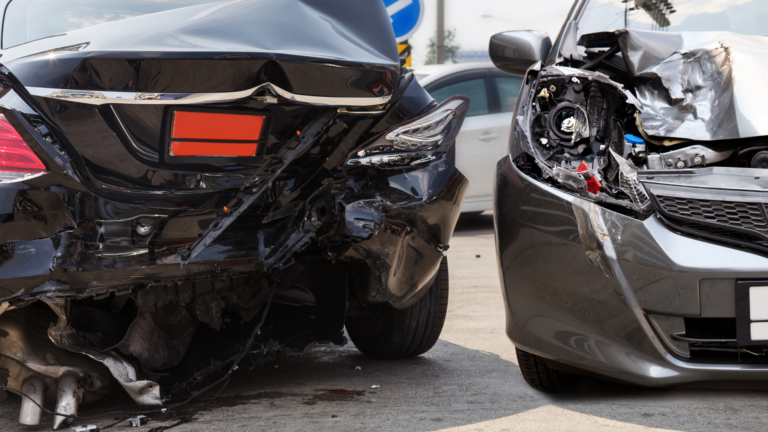
Being injured in a collision involving an Uber or Lyft can be frightening, whether you were a passenger, a rideshare driver, or someone else on the road. You may still be shaken by what happened, coping with painful injuries, or struggling to return to your usual routine.
Instead of receiving clear answers, you may find yourself dealing with insurance companies that seem unwilling to take responsibility. Whatever your circumstances, you deserve to be heard and treated with respect. You need a Rancho Cucamonga Uber accident lawyer.
At Miracle Law, we can investigate what happened, identify the available insurance coverage, and pursue compensation for your injuries and losses. Our founder and managing partner, Tamar Miot, believes clients deserve an attorney who is accessible and attentive to their concerns. She speaks Spanish, and our team is available 24/7, prepared to bring important questions and concerns directly to her. We’ll handle the legal complications while keeping you informed and involved throughout your case.
How Do I Prove Liability in an Uber/Lyft Accident in California?
If an Uber or Lyft driver causes an accident through negligence, you may be entitled to compensation whether you were a passenger in the rideshare vehicle, driving another car, riding a bicycle, or walking nearby.
For example, an Uber driver might cause a collision by making an unsafe lane change on Interstate 15 or failing to yield to a pedestrian on 6th Street. Whether you’re inside the Uber or injured outside the vehicle, your claim depends on showing that the driver’s actions caused your injuries.
To establish liability, Miracle Law will investigate the collision and gather evidence such as:
- Police reports and witness statements. These can help establish what happened and whether the rideshare driver violated traffic laws.
- Photos and video footage. Dashcam recordings, nearby surveillance footage, and vehicle damage can help show how the collision occurred.
- Rideshare trip records. Uber or Lyft app data can establish the driver’s activity at the time of the crash, which may determine the applicable insurance coverage.
- Medical records. These document your injuries, treatment, and the connection between the accident and your resulting losses.
At Miracle Law, we carefully review the evidence, challenge unfair accusations of fault, and work to establish who should be held responsible for the accident.
What Coverage Applies in a Rideshare Accident?
California law determines rideshare insurance coverage largely based on whether the driver was using the app and had accepted a ride when the crash occurred.
A Lyft accident attorney in Rancho Cucamonga can investigate which stage of the trip applies and which insurance coverage is applicable.
App Is Off
When an Uber or Lyft driver isn’t logged into the rideshare app, their personal auto insurance generally applies, just as it would in an ordinary car accident.
California’s current minimum liability insurance requirements for standard auto policies are:
- $30,000 for bodily injury or death per person in an accident;
- $60,000 for bodily injury or death of two or more persons in an accident; and
- $15,000 for property damage per accident.
If the driver causes a collision while using their car for personal reasons, the injured person generally pursues a claim through the driver’s personal liability coverage. Uber’s or Lyft’s rideshare liability insurance doesn’t apply while the driver is offline.
Driver Is Online and Waiting for a Ride
Once the driver logs in to the Uber or Lyft platform and becomes available to accept ride requests, California’s rideshare insurance requirements take effect.
Under California’s transportation network company insurance law, this stage requires primary liability coverage of at least:
- $50,000 for injury or death per person,
- $100,000 for injury or death per accident, and
- $30,000 for property damage.
Uber and Lyft must also maintain at least $200,000 in excess liability coverage. This provides additional protection when an accident causes injuries or property damage that exceed the primary insurance limits.
Personal auto policies commonly exclude commercial rideshare activity, creating potential coverage disputes. However, California law doesn’t require the personal insurer to deny a claim before the applicable rideshare insurance can respond.
Driver Has Accepted a Ride or Has a Passenger
Once the driver accepts a ride request, at least $1 million in primary liability insurance applies to covered accidents. This protection begins once the driver accepts a trip and continues through the covered trip period.
For example, if a Lyft driver causes an accident while traveling to pick up a passenger at Victoria Gardens, the higher liability coverage may still apply even if the passenger hasn’t entered the vehicle.
California also requires separate uninsured and underinsured motorist protection for passengers while in the vehicle. This coverage can help pay for their injuries if another driver causes the accident but has no insurance or insufficient coverage to pay for their losses.
How Does Miracle Law Handle My Rideshare Accident Claim?
Insurance companies know how to protect their interests, and they may challenge your claim. Miracle Law’s founder, Tamar Miot, is a former insurance defense attorney. Having worked on the other side of personal injury cases, she understands how insurers investigate claims, evaluate evidence, and determine settlement offers.
We use that experience to anticipate their arguments and protect your interests throughout the claims process.
Here’s how:
- Challenging insurance coverage disputes. An insurer may argue that the Uber or Lyft driver wasn’t covered at the time of the accident. We investigate the driver’s app activity, trip records, and insurance policies to determine which company should be responsible.
- Pushing back against blame-shifting. When insurers dispute fault or attempt to hold you partly responsible, we use accident reports, witness accounts, and other evidence to challenge their claims.
- Protecting your interests during settlement. When multiple insurance companies are involved, accepting one settlement may affect your ability to pursue other claims. We review the offer and any documents you’re asked to sign, explain what they mean for your case, and help you make an informed decision before giving up any legal rights.
- Meeting California’s filing deadline. You generally have two years from the accident date to file a personal injury lawsuit. We track the deadline and file the necessary court documents, protecting your right to pursue your claim even if insurance negotiations are still ongoing.
- Representing you in court. If your case requires a lawsuit, we prepare and file the necessary legal documents, track court deadlines, and handle the legal proceedings on your behalf. We also prepare your case for trial and present the evidence and arguments supporting your claim.
You shouldn’t have to spend your recovery time chasing adjusters or trying to resolve disputes between insurance companies. We’ll take over those conversations, explain what’s happening with your case, and remain available when you need answers. With Miracle Law, you’ll have a rideshare accident lawyer in Rancho Cucamonga who understands the insurance industry’s tactics and knows how to respond to them.
What Should I Do After an Uber or Lyft Accident in Rancho Cucamonga?
If you were in an Uber or Lyft accident, call 911 for emergency services. Give the dispatcher your location and follow their instructions until help arrives.
Once you’re safe, there are several steps you can take to protect your health and legal rights:
- Get medical care. Have your injuries evaluated promptly, especially if you experience pain, dizziness, numbness, or other concerning symptoms. Keep copies of your medical records and treatment instructions.
- Save your rideshare information. If you are a passenger in an Uber or Lyft, keep screenshots of the trip receipt, driver’s name, vehicle details, pickup location, route, and any messages exchanged through the app.
- Preserve other evidence. Take photographs if it’s safe, obtain witness contact information, and save communications with the rideshare company or insurers.
- Schedule a free consultation with a lawyer. A lawyer can listen to what happened, answer your questions, and explain your legal options.
If your injuries prevented you from collecting information at the scene, our team can help investigate what happened using the records that remain available.
What Compensation Can I Recover After a Rideshare Accident?
After an Uber or Lyft accident, California law allows you to pursue compensation for financial losses and the physical and emotional effects of your injuries if someone else’s negligence caused the crash.
Depending on your circumstances, you may be entitled to several types of damages, such as:
- Past and future medical expenses,
- Lost wages,
- Reduced earning capacity,
- Pain and suffering,
- Property damage,
- Transportation costs to medical appointments,
- Home nursing care, and
- Loss of enjoyment of life.
The effects of a rideshare accident may continue long after your initial treatment. Before you accept a settlement, we help you consider whether it adequately addresses your medical needs, financial losses, and changes to your quality of life. This matters because once you settle your claim and sign a release, you generally cannot seek additional compensation for the same injuries.
Contact a Rideshare Accident Lawyer in Rancho Cucamonga Today
You shouldn’t have to choose between paying your medical bills and getting legal help after an accident. At Miracle Law, we offer free consultations and handle personal injury cases on a contingency fee basis. You pay no attorney fees unless we recover compensation for you.
Our firm has recovered more than $25 million for injured clients, and our team brings over 25 years of combined legal experience to personal injury cases. We can help you understand your options and pursue compensation from the responsible parties.
Contact a Rancho Cucamonga Uber accident lawyer at Miracle Law today for a free case evaluation.
Legal References Used to Inform This Page
To ensure the accuracy and clarity of this page, we referenced official legal and other resources during the content development process:
 Español