
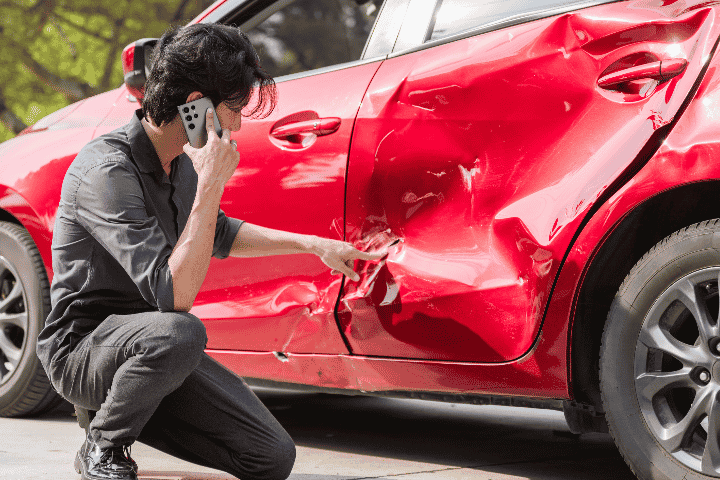
A dented bumper, a few scratches, and a car that still runs may not seem worth calling an attorney about. But what happens when the repair bill is higher than expected, you start feeling pain, or the insurance company refuses to pay?
Do I need a lawyer for a minor car accident? Not always, but even a small collision can create problems that are difficult to resolve on your own.
At Miracle Law, our car accident law firm helps California drivers understand their rights and decide whether legal representation makes sense. Led by Tamar Miot, a former insurance defense attorney, our team knows how insurers evaluate accident claims. We can review what happened, explain your legal options, and help you decide whether retaining an attorney would benefit your case.
Key Takeaways
- Lawyers are not always needed: If fault is clear, no injuries occurred, and insurance covers full repairs, you can usually handle the claim yourself.
- Delayed symptoms happen: Injuries like whiplash or concussions may take hours or days to appear, making prompt medical evaluation essential.
- When to hire representation: Legal help is recommended if fault is disputed, injuries cause missed work, or insurance offers low settlements.
- California reporting rules: You must file an SR-1 report with the DMV within 10 days if property damage exceeds $1,000 or anyone is injured.
Do I Need an Attorney for a Small Accident?
You generally don’t need a lawyer for a minor car accident if nobody was injured, fault is clear, and the insurance company agrees to cover your reasonable vehicle repair costs. You may be able to manage the entire claim yourself.
For example, suppose another driver backs into your parked car, admits responsibility, and provides valid insurance information. The insurer accepts liability and agrees to pay the repair estimate. If you have no injuries or other losses, hiring an attorney may offer little additional benefit.
Handling your own claim may be reasonable when:
- Neither driver nor any passenger has suffered an injury;
- The responsible driver and their insurance company accept fault;
- The insurer offers enough to cover the documented damage and other eligible expenses; and
- You have no outstanding disputes about repairs, transportation costs, or coverage.
However, don’t assume the damage is minor until a repair shop has inspected the vehicle. A small dent can conceal damage to sensors, mounting brackets, or other components.
Similarly, feeling fine immediately after the crash doesn’t necessarily mean you weren’t injured. Neck pain from whiplash or headaches from head trauma may develop hours or days later.
Dizziness can also indicate a more serious injury, including internal bleeding, and requires prompt medical attention.
You should also reconsider handling the claim yourself if new symptoms develop or the insurer changes its position.
When Should I Hire a Car Accident Lawyer?
You should consider hiring a lawyer when an accident results in injuries, significant financial losses, or disputes with an insurance company. A minor car accident lawyer in California can evaluate the circumstances and determine whether legal action could help protect your financial recovery.
The following situations are particularly strong reasons to seek legal representation.
You Develop Injuries After the Accident
Some crash injuries become noticeable hours or days after the collision. You might initially feel fine but later experience neck stiffness, back pain, headaches, or dizziness.
These symptoms deserve medical attention, even when the vehicles sustained limited damage.
An attorney can use medical records and other evidence to establish how the crash caused your injuries. This becomes especially important when an insurer argues that your symptoms are unrelated to the collision or that the impact was too minor to cause harm.
The Other Driver Disputes Fault
The other driver may deny responsibility. Their insurance company might then argue that you stopped too suddenly or failed to yield, using those allegations to shift some of the blame onto you.
California follows a pure comparative negligence rule. You can still recover compensation if you were partially responsible, but your damages are reduced by your percentage of fault.
For example, if your damages total $100,000 and you’re found 10% responsible, your recovery would be reduced to $90,000.
This gives insurers a financial incentive to argue that you contributed to the accident. At Miracle Law, we investigate the collision, examine evidence that may contradict the other driver’s account, and challenge attempts to assign you more responsibility than the facts support.
The Insurance Company Offers Too Little
An insurer may offer to cover visible bumper damage while overlooking hidden repairs, medical expenses, or missed work. When bills are piling up, accepting a quick settlement can be tempting, even if you haven’t finished treatment or received a final repair estimate.
Once you accept a final settlement, you generally can’t seek additional compensation for the claims it resolves. A lawyer can evaluate the full extent of your losses, identify expenses the insurer has overlooked, and negotiate for a fair settlement before you make a decision you can’t reverse.
The Other Driver Has No Insurance or Insufficient Coverage
Insurance issues can complicate an otherwise minor accident, particularly when the responsible driver has no valid coverage.
California insurers must offer uContact Miracle Law today ninsured and underinsured motorist coverage, although drivers can reject it. If you purchased this protection, you may be able to pursue compensation through your own policy when the responsible driver has no insurance or inadequate liability limits.
An attorney can review your coverage, determine which policies may apply, and address disputes with your insurer.
Your Injuries Cause You to Miss Work
Even a relatively minor injury can become financially serious when it prevents you from earning your normal income.
Missing several shifts, losing overtime, or being unable to perform physical work can create immediate difficulties with rent, groceries, and other bills. For self-employed workers or employees with irregular schedules, proving lost income may require additional evidence, such as canceled bookings, past earnings records, or work schedules.
Our attorneys can gather employment records, earnings histories, and medical documentation to show how an injury affected your ability to work. We can also evaluate whether your claim includes compensation for future income losses when medical restrictions continue.
What Should I Do After a Minor Car Accident in California?
After a minor collision, make sure everyone is safe, exchange information with the other driver, and document the damage before leaving the scene. Even if you don’t plan to hire a lawyer, these steps can help prevent problems with your insurance claim.
Check for Injuries and Move to Safety
Check yourself and your passengers for injuries. If anyone needs emergency medical attention, call 911. If your vehicle is drivable and it’s safe to move, pull out of traffic.
Pay attention to how you feel in the following days. Pain, numbness, headaches, or difficulty concentrating may develop after the initial impact. Seek medical attention if symptoms appear, worsen, or persist rather than assuming they’ll resolve on their own.
Exchange Information with the Other Driver
California requires drivers involved in a collision to exchange identifying information.
Before leaving, collect the other driver’s:
- Name,
- Contact information,
- Driver’s license number,
- License plate number, and
- Insurance details.
Take photographs of their license and insurance card if they agree. Check that the insurance information matches the vehicle involved. Even when the other driver offers to pay for repairs directly, having this information protects you if they later stop responding or the damage costs more than expected.
Document the Accident and Vehicle Damage
Take photographs of both vehicles, including close-ups of the damage and wider images showing where the collision occurred. Capture nearby traffic signals, lane markings, or parking lot signs when relevant.
Get Witnesses for Their Contact Details
If anyone witnessed the collision, ask for their name and contact information before they leave. Even when both drivers agree about what happened, an independent witness can help confirm your account if the other driver later changes their story or an insurance company disputes fault.
Note where each witness was when the accident occurred and what they saw.
Notify Your Insurance Company
Contact your insurance company promptly, even if the other driver caused the accident. Your policy may require you to report collisions within a certain timeframe, and failing to provide timely notice could create coverage problems.
Give an accurate account of what happened without guessing about details you’re unsure of. Keep your claim number and a record of when you reported the accident.
File a California DMV SR-1 Report When Required
California requires drivers to submit an SR-1 accident report to the DMV within 10 days if the collision causes:
- More than $1,000 in property damage,
- A person’s death, or
- An injury to anyone involved, even if the injury is minor.
This requirement can apply to seemingly minor accidents. For example, a low-speed collision at an intersection near Victoria Gardens in Rancho Cucamonga may result in a repair bill exceeding $1,000, making an SR-1 necessary even though both vehicles remain drivable.
You must file the report regardless of who caused the accident, and notifying your insurance company doesn’t replace this requirement.
Keep Your Accident and Insurance Records Organized
Save copies of your accident report, repair estimates, medical records, and all correspondence with insurance companies. Keep receipts for expenses related to the crash, including rental cars, transportation, and medical treatment. Document any lost income with pay stubs, work schedules, employer records, or evidence of canceled jobs.
These records can help you challenge inaccurate accusations, prove your expenses and lost income, and support your claim if a dispute develops.
Speak with a Minor Car Accident Lawyer in California About Your Options
You may not need an attorney for a small accident, but that decision becomes harder when an insurer denies responsibility, challenges your injuries, or offers less than your documented losses. A conversation with our team can help you understand whether representation is beneficial.
At Miracle Law, our attorneys bring 25 years of combined legal experience. Our team is available 24/7, and founding attorney Tamar Miot speaks Spanish, allowing Spanish-speaking clients to discuss their concerns directly with her.
Contact Miracle Law today for a free consultation, and we’ll discuss your legal options.
Legal References Used to Inform This Page
To ensure the accuracy and clarity of this page, we referenced official legal and other resources during the content development process:
- State of California Department of Motor Vehicles, “Report of Traffic Accident Occurring in California (SR-1).”
- Li v. Yellow Cab Co., 532 P.2d 1226 (Cal. 1975).
- Financial Responsibility, Cal. Veh. Code § 16025 (2000).
- Accidents and Accident Reports, Cal. Veh. Code § 20008 (1970).
- Accident Reports, Cal. Veh. Code § 16000 (2017).
- Actions on Policies Containing Liability Provisions, Cal. Ins. Code § 11580.2 (2006).

 Español