
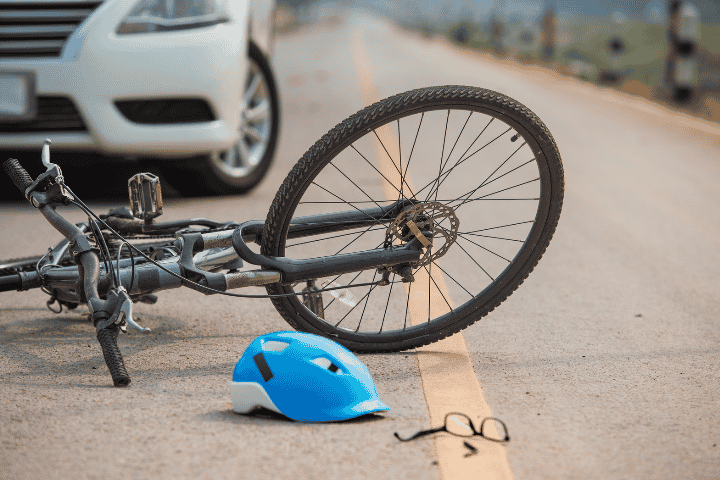
A bicycle crash can leave you facing medical bills, missed paychecks, and a long recovery, even when a driver caused the collision. You may worry that the insurance company will blame you for riding in traffic or argue that you should have avoided the impact.
A Rancho Cucamonga bicycle accident lawyer at Miracle Law can help you understand your rights, investigate what happened, and challenge unfair attempts to shift responsibility onto you.
Our firm takes an attentive approach to your case, with 24/7 availability and direct access to our team when questions arise. Tamar Miot speaks Spanish, too, so Spanish-speaking clients can discuss their concerns in the language they feel most comfortable using.
We’re here to help you make informed decisions about your case, address the insurance problems you’re facing, and move forward without having to manage everything on your own.
What Rights Do Cyclists Have on the Road?
California law gives cyclists the same basic rights to use public roads as motor vehicle drivers. Cyclists must also follow applicable traffic laws, including stop signs, traffic signals, and right-of-way rules.
The California Vehicle Code establishes several protections for cyclists:
- Cyclists can use a travel lane when necessary. Cyclists generally must ride near the right edge of the roadway when traveling slower than traffic, but they may move farther into the lane to avoid hazards, prepare for turns, or ride safely on roads too narrow to share with a car.
- Cyclists can leave designated bicycle lanes in certain situations. Although slower-moving cyclists generally must use an established bicycle lane, they may leave it to avoid hazards, pass others, prepare for left turns, or approach locations where right turns are permitted. They must leave the lane safely and signal when required.
- Cyclists are entitled to safe passing distances. Drivers generally must leave at least three feet of clearance when passing a cyclist and change lanes when required and safe to do so. If roadway conditions prevent the required clearance, drivers must slow down and pass only when it is safe.
- Cyclists are protected against unsafe vehicle doors. Drivers and passengers cannot open a vehicle door into moving traffic unless it is reasonably safe to do so. This law helps protect cyclists from collisions with suddenly opened doors.
Rancho Cucamonga also has its own regulations governing where and how cyclists can ride. Under the city’s municipal code:
- Cyclists can ride side by side. Up to two cyclists may ride side by side on public roads. Groups can ride more than two abreast on paths or portions of roads reserved exclusively for bicycles.
- Cyclists can use designated paths in city parks. Bicycle riding is permitted on paved paths and trails specifically designated for cycling. Riding on grass, athletic fields, or other undesignated park surfaces is prohibited.
- Cyclists can use sidewalks in limited circumstances. Although sidewalk riding is generally prohibited, cyclists may use sidewalks to avoid dangerous roadway conditions or obstacles. Exceptions also apply to designated bikeways and driveway areas.
If a driver hits you, determining fault requires examining the circumstances of the collision and whether either party violated the applicable traffic laws.
I Was a Cyclist Who Was Hit by a Car in California. How Do I Prove Liability for My Claim?
To establish liability, you generally must show that someone acted negligently and that their conduct caused your injuries and losses. A driver’s involvement in the collision alone does not establish fault. The evidence must explain how the crash happened and why the driver should be held responsible.
Duty
Drivers have a duty to use reasonable care to avoid harming other road users, including cyclists. This means paying attention, following traffic laws, maintaining a safe speed, and checking for cyclists before turning or changing lanes.
Breach of Duty
A breach of duty occurs when a driver or another responsible party fails to act with reasonable care. Identifying the specific conduct that caused your collision helps establish responsibility.
Common causes include:
- Unsafe passing,
- Unsafe turns,
- Distracted driving,
- Impaired driving,
- Failure to yield,
- Dooring accidents, and
- Speeding or disregarding signals.
At Miracle Law, we examine whether the driver failed to exercise reasonable care and gather evidence to establish how that negligence caused your injuries.
Causation
You must connect the negligent conduct to the collision and the injuries you suffered. Even when a driver violated a traffic law, the claim must establish how that violation caused or contributed to your harm.
Depending on the circumstances, useful evidence may include:
- Crash scene photographs. Photos can document vehicle positions, bicycle damage, road markings, debris, and the impact location.
- Video footage. Recordings from nearby businesses, traffic cameras, or dashcams may show how the collision occurred.
- Witness accounts. People who saw the collision may clarify who had the right of way, whether a driver signaled, or how the vehicles moved.
- Police reports. An investigating officer’s observations, statements, and recorded scene details can help establish a timeline, although the report does not automatically determine liability.
- Vehicle and bicycle damage. The location and pattern of damage can help explain the direction and force of the impact.
- Medical records. Examination findings, diagnoses, and treatment records help connect your injuries to the collision.
- Financial records. Pay stubs, employer records, medical bills, and receipts can document lost income and out-of-pocket expenses, helping establish the financial losses resulting from your injuries.
A Rancho Cucamonga bicycle accident lawyer can help assemble evidence that explains the sequence of events and challenges an insurer’s competing account.
Damages
You must document the losses caused by the crash to establish the compensation you may seek. California law allows eligible injured cyclists to pursue economic and noneconomic damages, depending on the facts and supporting evidence.
Medical expenses
You may seek compensation for reasonable medical expenses resulting from your bicycle accident.
Depending on the severity of your injuries, these costs may include:
- Emergency medical care,
- Diagnostic testing,
- Surgery and medical procedures,
- Doctor and specialist visits,
- Medications and medical equipment,
- Rehabilitation, and
- Future medical care.
At Miracle Law, we can review your medical records and bills and work with your healthcare providers to document anticipated treatment needs. This helps us pursue compensation that accounts for your ongoing recovery, not just the expenses you’ve already incurred.
Lost wages
If your injuries prevent you from working, you may seek compensation for income lost during your recovery. Pay stubs, employer records, and medical restrictions can help establish how the crash affected your earnings.
Loss of future earning capacity
Some injuries prevent people from returning to their previous jobs or working the same hours. When medical evidence and other documentation establish a lasting effect on your ability to earn a living, your claim may include the resulting reduction in future earning capacity.
Pain and suffering
Compensation may account for physical pain, emotional distress, and the discomfort associated with recovery. These losses do not come with a receipt, but medical documentation and clear descriptions of your symptoms can help show their effect on your life.
Property damage
A collision can destroy or damage your bicycle, helmet, clothing, phone, and other personal belongings. Keep photographs, repair estimates, and purchase records when available to document these losses.
Loss of enjoyment of life
An injury may prevent you from cycling, exercising, spending time outdoors, or participating in activities that previously mattered to you. Evidence of these changes can help demonstrate how the crash affected your everyday life beyond medical bills and missed work.
Why Should I Hire a Rancho Cucamonga Bicycle Injury Lawyer from Miracle Law to Handle My Case?
Before founding Miracle Law, Tamar Miot worked as an insurance defense attorney. Her background gives her a valuable perspective on how insurance companies defend injury claims, evaluate settlement offers, and prepare for court. She now puts that experience to work representing injured people.
When you hire a bike accident attorney in Rancho Cucamonga from our firm, you benefit from:
- Experience on both sides of injury litigation. Tamar understands how defense attorneys assess the strengths and weaknesses of a case. That perspective helps her anticipate legal challenges and make informed decisions about how to pursue your claim.
- Strong litigation preparation. Tamar’s background extends beyond negotiating settlements. She understands how cases are defended in court and what it takes to prepare for litigation when an insurance company refuses to reach a reasonable agreement.
- Knowledge of insurance company tactics. Insurers may try to unfairly blame cyclists, pressure them into accepting quick, low settlement offers, or stall negotiations. Tamar’s defense experience helps her recognize these strategies and respond effectively to protect your interests.
We know that the decisions made in your case can affect your ability to pay bills, return to work, and support your family. At Miracle Law, we take those concerns seriously. You’ll have an attentive legal team that respects your time, keeps you informed, and makes sure you understand your options as your case progresses.
Speak with a Bike Accident Attorney in Rancho Cucamonga Today
For a cyclist hit by a car in California, the path toward recovery can involve dealing with lost income, transportation problems, mounting bills, and an insurer that questions whether its driver was responsible. You deserve an opportunity to understand your rights and make informed decisions about what comes next.
Miracle Law has recovered more than $25 million for clients, and our team brings more than 25 years of combined injury experience to its work.
Contact Miracle Law to arrange a free consultation about your bicycle accident. We can explain your options and help you decide on a practical next step.
Legal References Used to Inform This Page
To ensure the accuracy and clarity of this page, we referenced official legal and other resources during the content development process:
- Stopping, Standing, and Parking, Cal. Veh. Code § 22517 (1963).
- Overtaking and Passing, Cal. Veh. Code § 21760 (2023).
- Operation of Bicycles – Riding in Bicycle Lane, Cal. Veh. Code § 21208 (1997).
- Operation of Bicycles – On the Roadway, Cal. Veh. Code § 21202 (1997).
- Operation of Bicycles – Same Rights and Duties as Drivers, Cal. Veh. Code § 21200 (2019).
- Operation, City of Rancho Cucamonga, CA Code of Ordinances Chapter 10.84.020.
 Español