
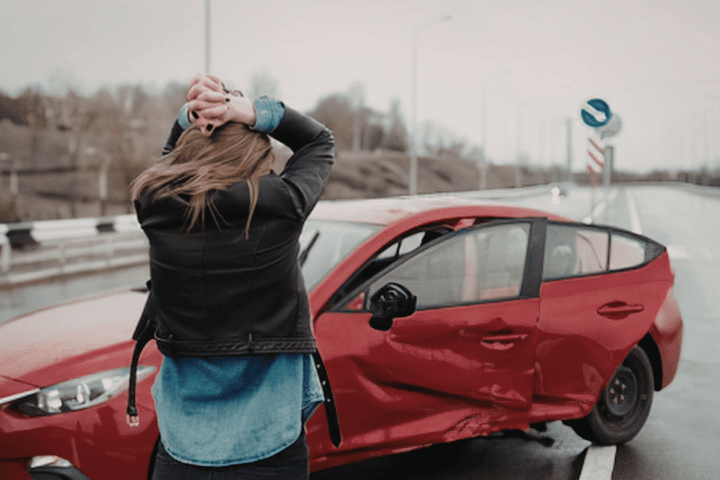
Your car is damaged, traffic is backing up, and you’re trying to figure out whether everyone is okay. You may already be worried about how you’ll get to work, pay for repairs, or afford medical treatment. Insurance companies may start asking questions and offering settlements right away.
Knowing what to do after a car accident in Rancho Cucamonga can help you make important decisions while protecting your health and your rights.
Key Takeaways
- Prioritize Safety & Medical Care: Move to a safe area if possible, report the crash to law enforcement, and get evaluated by a healthcare professional immediately.
- Document & Report: Exchange insurance details, gather evidence (photos, witness contacts, footage), and file required state reports (such as the DMV SR-1 form).
- Protect Your Claim: Avoid admitting fault, be cautious when communicating with insurance adjusters, and consult an attorney to safeguard your rights and adhere to legal deadlines.
At Miracle Law, we step in to handle insurance negotiations, protect your interests, and help you understand your options. You’ll have a legal team that stays accessible throughout your case, not one you have to chase for updates. We’re available 24/7, and concerns that need an attorney’s attention go directly to our founder, Tamar Miot.
This car accident checklist walks you through the process, from the scene to the insurance claim.
What Steps Do I Take After a Car Accident in California?
Understanding what to do after an auto accident can help you avoid problems that may make your recovery more difficult.
Safety First
Stop your vehicle and check yourself and your passengers for injuries. Turn on your hazard lights to alert approaching drivers. If your vehicle is drivable and you can move it safely, pull over to a nearby shoulder, parking lot, or another location away from traffic.
This is particularly important on busy roads such as Interstate 15 and Foothill Boulevard, where passing vehicles can create additional dangers. Don’t walk into moving traffic to inspect your car or retrieve belongings.
If your vehicle cannot be moved safely, call for assistance and follow the emergency dispatcher’s instructions.
Call Police
Call 911 to report the accident. Tell the dispatcher where the crash happened and whether anyone is injured. If police respond, ask whether they’ll prepare a written accident report.
California law requires that accidents involving injuries or deaths be reported in writing to law enforcement within 24 hours. If an officer doesn’t prepare the report, you or someone on your behalf must submit one.
You must also file an SR-1 form with the California Department of Motor Vehicles within 10 days if anyone is injured or killed, or if property damage exceeds $1,000. This requirement applies regardless of fault, even if police already filed a report. Failure to file can result in a driver’s license suspension.
Seek Medical Attention
Get medical attention promptly, even if you initially feel well enough to go home. Symptoms of concussions, whiplash, back injuries, and other conditions may take time to become noticeable.
Tell your healthcare provider that you were involved in a car accident and explain any pain or symptoms you’ve experienced. Follow the recommended treatment plan and keep copies of your medical records.
Early medical documentation can also help establish that your injuries resulted from the collision, particularly if the insurance company later questions their cause or severity.
Document the Scene
Photographs and witness information can help establish what happened, especially when the drivers disagree about who caused the accident.
If you’re able to gather evidence safely, try to preserve the following information:
- Vehicle damage. Photograph damage to all involved vehicles, their license plates, and their positions on the road.
- Road conditions. Capture traffic signals, lane markings, skid marks, debris, and anything that may have contributed to the collision.
- Witnesses. Ask anyone who saw the accident for their name and contact information.
- Video recordings. Save dashcam footage and note nearby businesses that may have surveillance cameras.
If you’re injured and cannot gather evidence yourself, ask a trusted person to help when possible.
Your attorney can also investigate available evidence and request that important recordings be preserved.
Exchange Information
California requires drivers involved in a collision to exchange identifying and vehicle information.
Obtain the other driver’s:
- Name,
- Address,
- Phone number,
- Driver’s license information,
- Vehicle registration, and
- Insurance details.
Drivers must also exchange the address of the car owner (if not the driver). Be sure to record the insurance company’s name and policy number.
If the other driver refuses to cooperate or leaves the scene, don’t follow them. Instead, give police any information you remember about the vehicle, its license plate, and the direction it traveled.
Keep your interaction calm and focused on exchanging the required information.
Notify Your Insurance Company of the Accident
Contact your insurance company promptly to report the collision. Explain where it happened, identify the vehicles involved, and provide the information you’ve gathered.
Avoid Admitting Fault or Apologizing
Avoid saying that you caused the accident or apologizing in a way that suggests you accept responsibility. Even if you believe you understand what happened, other circumstances may have contributed to the collision.
You can express concern for another person’s well-being without accepting blame. When speaking with police or insurance representatives, describe what you actually observed rather than guessing about another driver’s speed or actions.
An early admission could therefore give the insurer grounds to reduce or deny your claim under California’s comparative negligence laws, even before all the evidence has been reviewed.
Avoid Talking to the Other Party’s Insurance Company Alone
The other driver’s insurance company may contact you shortly after the crash. Although the adjuster may seem helpful, their job is to protect the insurer’s financial interests, which may mean finding reasons to reduce or deny your claim.
Speaking with a lawyer first can help protect you from questions and requests that could weaken your case.
Insurance adjusters may use several strategies to limit compensation:
- Question your injuries. Adjusters may use inconsistencies in your statements or your medical history to argue that your injuries are minor or unrelated to the accident.
- Offer a quick settlement. Insurers may offer payment before you know the full extent of your injuries. Signing a final release can prevent you from seeking additional compensation later.
- Shift blame onto you. Adjusters may question your driving decisions to argue that you share responsibility for the crash and reduce your compensation.
You can ask the adjuster for their contact information and have your lawyer handle further communications. Your attorney can respond to requests, provide relevant evidence, and challenge attempts to undervalue your claim.
Contact a Car Accident Lawyer
Contact an attorney if you suffered injuries, missed work, face significant medical bills, or disagree with the insurance company’s assessment of the accident.
When you contact Miracle Law about what to do after a car accident in Rancho Cucamonga, we can review your circumstances and explain what your claim may involve.
Our attorneys can:
- Investigate who caused the collision,
- Obtain available evidence,
- Identify applicable insurance coverage, and
- Calculate your losses.
We can also negotiate with insurers that attempt to minimize your injuries or pressure you into accepting inadequate compensation.
Contacting a lawyer early also helps protect your right to compensation. In California, you generally have two years from the accident to file a personal injury lawsuit. We can identify the deadlines that apply to your case and take legal action before your time runs out.
Keep This Car Accident Checklist Handy and Let Miracle Law Help You Move Forward
The steps to take after a car accident in California can help you protect your rights, but dealing with insurance companies while trying to recover can still be difficult. At Miracle Law, we can take over the legal work, address disputes with insurers, and pursue compensation for your injuries and financial losses.
Our Rancho Cucamonga team offers:
- Experienced representation. Our team has 25 years of combined experience and has recovered over $ 25 million. Founder Tamar Miot previously worked in insurance defense, giving her valuable insight into how insurers evaluate and challenge claims.
- Attentive support. We’re available 24/7, and urgent concerns go directly to Tamar.
- Assistance in Spanish. Tamar Miot speaks Spanish herself, so you can explain what happened, share your concerns, and ask questions without relying on someone else to translate.
- No upfront attorney fees. We handle personal injury cases on a contingency fee basis. You pay no attorney fees unless we recover compensation for you.
Contact Miracle Law for a free consultation.
Legal References Used to Inform This Page
To ensure the accuracy and clarity of this page, we referenced official legal and other resources during the content development process:
- Li v. Yellow Cab Co., 532 P.2d 1226 (Cal. 1975).
- Financial Responsibility, Cal. Veh. Code § 16025 (2000).
- Accidents and Accident Reports, Cal. Veh. Code § 20008 (1970).
- Accident Reports, Cal. Veh. Code § 16000 (2017).
- The Time of Commencing Actions Other Than for the Recovery of Real Property, Cal. Civ. Proc. Code § 335.1 (2003).

 Español